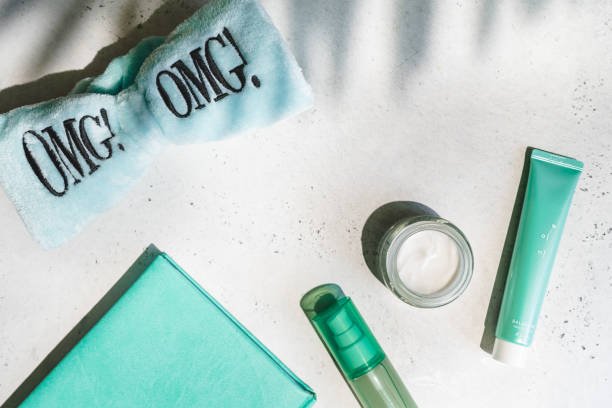
Summer skin has a specific problem: you want to look bronzed and glowing, but the same heat, sun, and humidity that create that summer aesthetic are actively working against your skin — accelerating dehydration, increasing UV damage, and breaking down your tan faster. A smart summer tanning routine addresses all of this simultaneously.
Here’s the full AM/PM routine that keeps your tan looking great while actually protecting your skin through summer.
The Core Principle: Separate Tanning from Sun Exposure
The biggest mistake in a summer tanning routine is treating tanning (getting bronze color) and sun exposure (being outdoors) as the same thing.
They don’t have to be. You can build and maintain a beautiful tan color entirely through DHA self-tanner, applied at night, while using full SPF protection when you’re outdoors. The visual result looks the same. The skin damage is completely different.
Morning Routine (AM): Protection First
Step 1 — Gentle Cleanser
Summer skin produces more oil and sweat. Use a gentle, sulfate-free cleanser that cleans without stripping. Over-cleansing removes the skin surface cells that hold your tan color.
Step 2 — Lightweight Hydrating Serum
Heat and sun accelerate skin dehydration. A hyaluronic acid serum in the morning adds water content to skin that will be lost during outdoor exposure.
Also READ
Hyaluronic Acid Before or After Moisturizer? The Right Order Explained
Step 3 — Lightweight Oil-Free Moisturizer
Summer calls for lighter textures. A heavy moisturizer in heat will pill under sunscreen and feel uncomfortable. Gel moisturizers or lightweight lotions work best.
Step 4 — SPF 30+ Broad-Spectrum (Non-Negotiable)
Apply every single morning, regardless of how tan you look. Your tan — whether from self-tanner or UV — provides zero meaningful UV protection. This step protects your collagen, prevents new dark spots, and is the primary anti-aging step in any summer routine.
Step 5 — Reapply SPF Every 2 Hours Outdoors
Not optional. SPF degrades with UV exposure and sweating. Reapplying maintains the protection level stated on the label.

Evening Routine (PM): Build + Maintain Your Tan
Step 1 — Double Cleanse
Remove sunscreen, sweat, and pollution with an oil cleanser first, then a gentle water-based cleanser. Leaving sunscreen residue on skin overnight clogs pores and dries out the surface.
Also READ
Niacinamide Benefits for Skin: Full Guide (2026)
Step 2 — Exfoliate (Once or Twice a Week Only)
Strategic exfoliation 1–2x per week removes dead cells evenly, which prevents your tan from fading in patches. Over-exfoliating speeds up overall tan fading. A lactic acid or gentle glycolic acid product is ideal for summer — softer than physical scrubs.
Step 3 — Apply Self-Tanner or Gradual Tanning Moisturizer
This is your tan-building step. Apply a DHA self-tanner every 5–7 days for deeper color, or use a gradual tanning body moisturizer nightly to maintain your base color. Evening application is ideal — DHA develops while you sleep, and you wake up with color without any wet-or-sticky daytime issues.
Step 4 — Nourishing Body Moisturizer
On nights you’re not applying self-tanner, apply a rich body moisturizer. This step is what makes your tan last: hydrated skin sheds more evenly and holds DHA color longer. See our guide to skin cycling routines for how to structure this across the week.
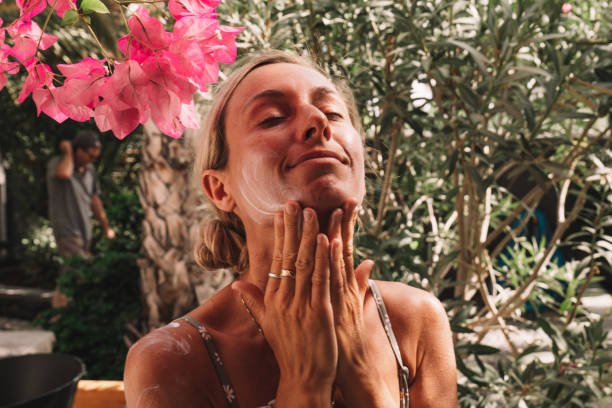
Weekly Schedule for Summer Tanning Routine
| Day | PM Action |
|---|---|
| Sunday | Exfoliate + apply self-tanner |
| Monday | Moisturize only |
| Tuesday | Moisturize only |
| Wednesday | Gradual tanning moisturizer (top-up) |
| Thursday | Moisturize only |
| Friday | Exfoliate lightly + apply self-tanner |
| Saturday | Moisturize only |
FAQ: Summer Tanning Routine
Can I use self-tanner and sunscreen at the same time?
Yes — they work at different times and don’t interfere. Apply self-tanner the night before. In the morning, your DHA color is already fully developed. Apply sunscreen over your existing tan for outdoor protection. The sunscreen does not remove or affect the self-tan color.
Does sweating fade a self-tan faster in summer?
Yes. Sweat is slightly acidic and breaks down the DHA-skin bond faster. On high-sweat days, shower with cool water immediately after sweating and apply moisturizer. Plan your self-tanner application for nights before lower-activity days when possible.
Also READ
Does Tanning Oil Damage Skin? What Dermatologists Actually Say
Should I exfoliate more or less in summer?
If you’re maintaining a self-tan, exfoliate 1–2x per week maximum. More than that speeds up tan fading. If you’re not tanning, gentle exfoliation 2–3x per week is fine to manage summer skin texture.
What’s the best body moisturizer for summer tanning?
Look for lightweight, oil-free or gel-based formulas. Heavy creams feel uncomfortable in heat and increase pore-clogging risk. Fragrance-free is best if you have sensitive or reactive skin. Formulas with glycerin and hyaluronic acid maintain hydration without heaviness.
How do I avoid my tan fading in weird patches over summer?
The patch fading happens when skin sheds unevenly — which occurs when some areas are drier than others. Daily moisturizing across your whole body (not just tan areas) creates more even skin cell turnover, which means your tan fades uniformly when it does fade.
Bottom Line
The best summer tanning routine separates color-building (self-tanner at night) from sun protection (SPF every morning). Your skin gets the bronze glow you want, your collagen is protected from UV damage, and your tan lasts longer because your skin stays properly hydrated. You don’t have to choose between looking good and protecting your skin in summer — you just need the right routine structure.
External Sources:
- American Academy of Dermatology — Sun Protection
- PMC — DHA Sunless Tanning Safety and Use
- Kaiser Permanente — Sunless Tanning Guide
Disclaimer: This content is for informational purposes only and does not constitute medical advice.

Ahtisham
I spent years struggling with oily, acne-prone skin before discovering that the right routine — not expensive products — is what actually works. Everything on this site is tested on my own skin and backed by real research.
Read my full story
Leave a Reply