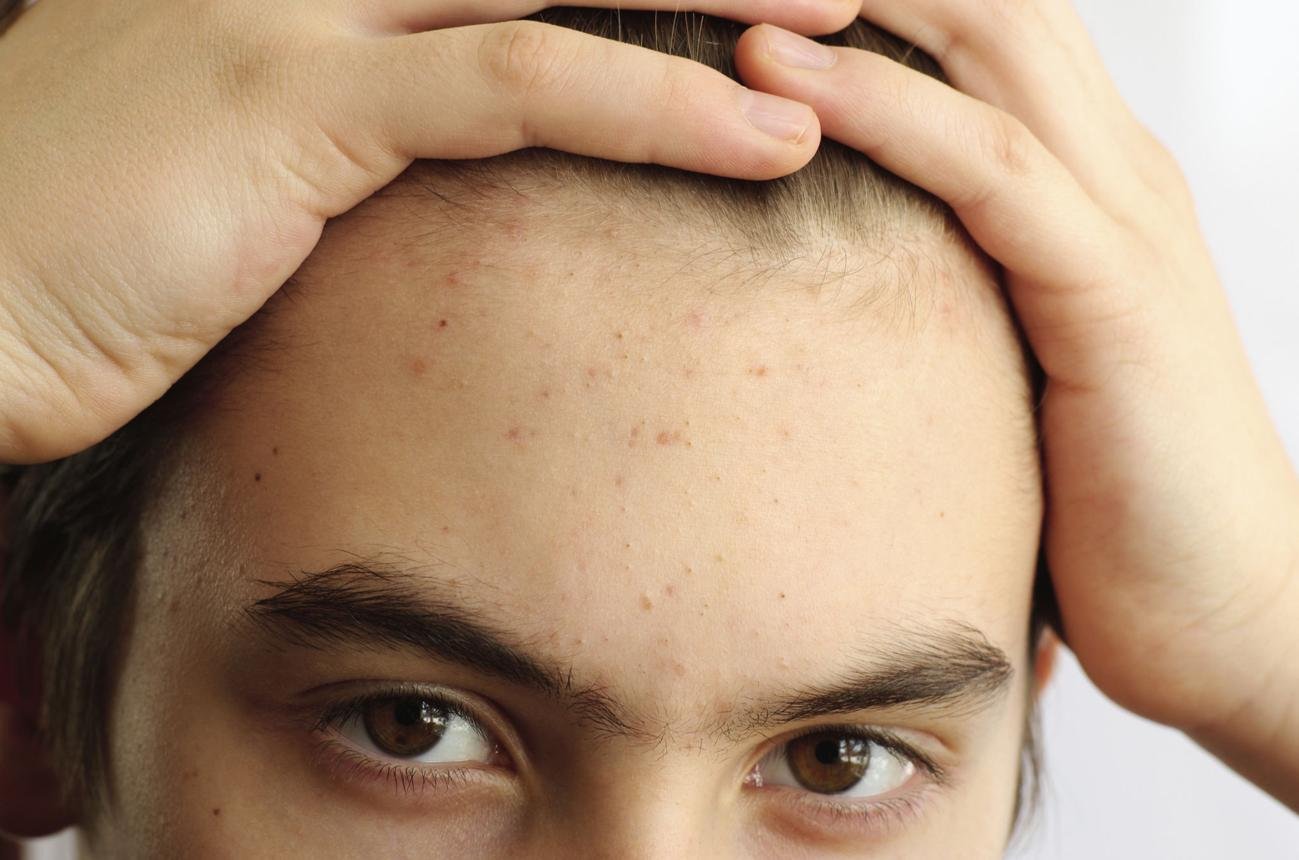
You wake up one morning and your skin just feels… off. It stings when you apply your serum. Your moisturizer sits on top instead of soaking in. You’re breaking out in places you never used to. And no matter what you try, your complexion looks tired and reactive.
Sound familiar? You might be dealing with a damaged skin barrier — and honestly, it’s more common than most people realize, especially if you’ve been layering active ingredients without much thought.
Let’s talk about what’s actually happening, how to know for sure, and what to do to fix it How to Repair a Damaged Skin — without making it worse.
What Is the Skin Barrier, Really?
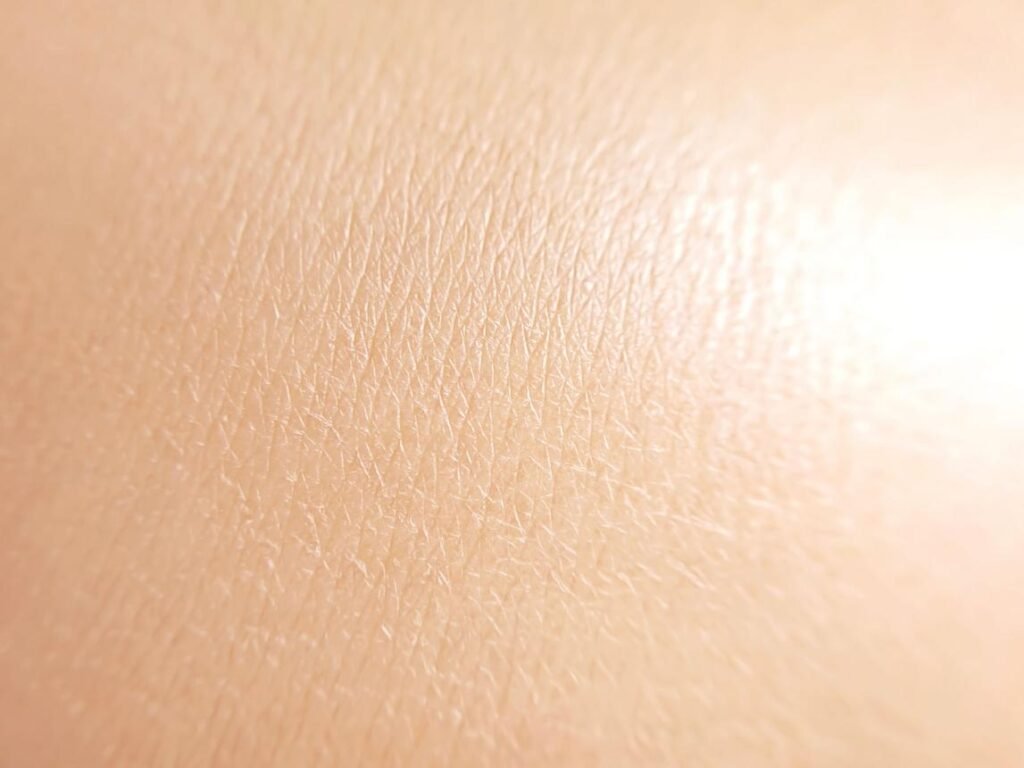
Your skin barrier — officially called the stratum corneum — is the outermost layer of your skin. Think of it like a brick wall: your skin cells are the bricks, and lipids (fats like ceramides, cholesterol, and fatty acids) are the mortar holding everything together.
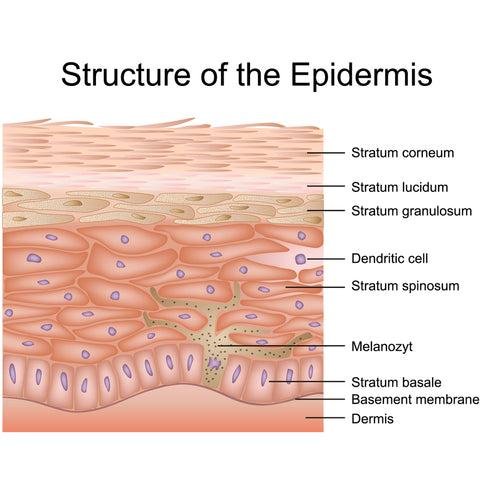
This wall does two critical jobs. First, it keeps moisture locked inside your skin. Second, it blocks out irritants, bacteria, pollution, and allergens from getting in. When this barrier is healthy, your skin feels plump, smooth, and calm.
When the barrier breaks down — even partially — that wall develops cracks. Moisture escapes (this is called transepidermal water loss, or TEWL), and irritants get in more easily. Your skin becomes sensitized, reactive, and hard to treat.
Also Read
Oily Skin Care Routine: Morning and Night Steps That Control Shine Without Stripping
Signs Your Skin Barrier Is Damaged
Most people don’t even know their barrier is compromised until they start connecting the dots. Here are the key signs:
Stinging or burning when you apply products that never used to bother you even something as simple as water. If your toner makes you wince, that’s a red flag.
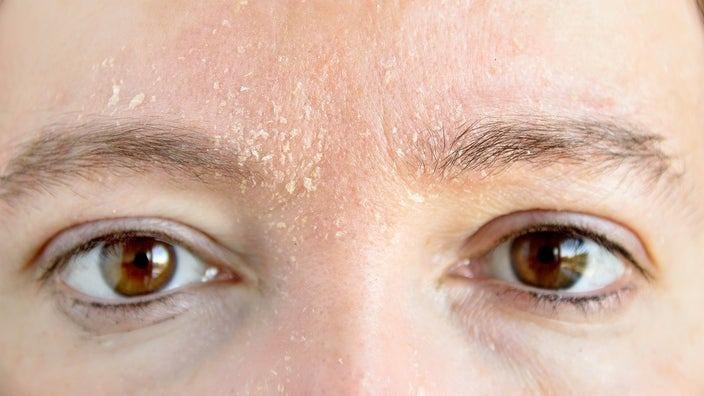
Constant dryness and flakiness even when you’re moisturizing regularly. If your skin feels tight an hour after applying moisturizer, moisture is escaping too quickly.
Redness and uneven texture that seems to come out of nowhere. A compromised barrier lets in microorganisms that trigger inflammation.
Breakouts that are different from your usual acne — smaller, more widespread, and often in new spots. Barrier disruption changes how bacteria interact with your skin.
Products that used to work now cause irritation. This is a classic telltale. Your actives haven’t changed — your skin’s tolerance has.

Common Causes of Barrier Damage
Here’s the uncomfortable truth: a lot of barrier damage is self-inflicted through well-intentioned skincare habits. The most common culprits include:
Also Read
Dark Spots on Face: Why They Form and How to Actually Fade Them (The Real Timeline)
Over-exfoliation is probably the biggest offender. Whether it’s daily AHA/BHA use, frequent at-home peels, or aggressive physical scrubbing, removing the top layer of skin too often strips away the lipids your barrier needs to function. The general rule: chemical exfoliation 2-3 times per week maximum, and never on consecutive days if you have sensitive skin.
Harsh cleansers with high pH formulas or strong surfactants like sodium lauryl sulfate (SLS) disrupt the acidic environment your barrier depends on. Your skin’s natural pH is around 4.5-5.5. Many bar soaps are pH 9-11. That’s a recipe for damage.
Using too many actives at once. Retinol + AHA + vitamin C + niacinamide all in one routine sounds like a powerhouse — but layering multiple actives without a solid barrier means you’re applying strong ingredients to compromised skin. The result is irritation, not results.
Environmental factors including dry climate, cold weather, and indoor heating all reduce humidity and accelerate TEWL. If you live somewhere with low humidity or spend a lot of time in air-conditioned environments, your barrier is working overtime just to stay intact.
Allergic reactions to fragrances, essential oils, or certain preservatives can cause repeated irritation that chronically weakens the barrier over time.
How to Repair Your Skin Barrier Step by Step
The good news: your skin barrier can repair itself — it just needs the right support and, importantly, the removal of whatever was damaging it in the first place.
Step 1: Strip Your Routine Down to Basics
This is the hardest step because it feels counterintuitive. You want to add more, but right now you need less. For the next 2-4 weeks, use only:
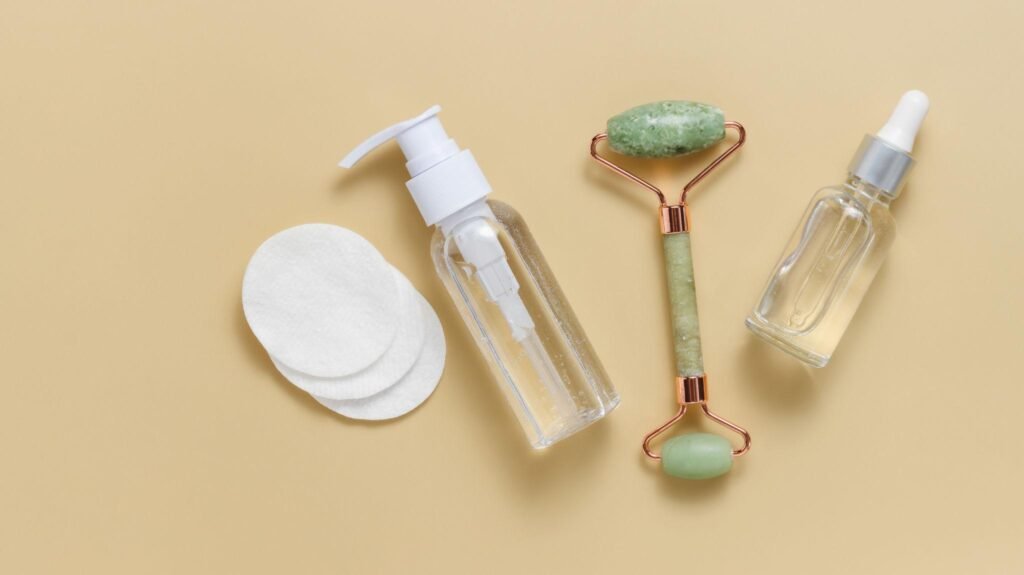
A gentle, low-pH cleanser (look for terms like “cream cleanser,” “hydrating cleanser,” or pH around 5.0-5.5). Cerave Hydrating Cleanser or La Roche-Posay Toleriane Hydrating Gentle Cleanser are frequently recommended by dermatologists.
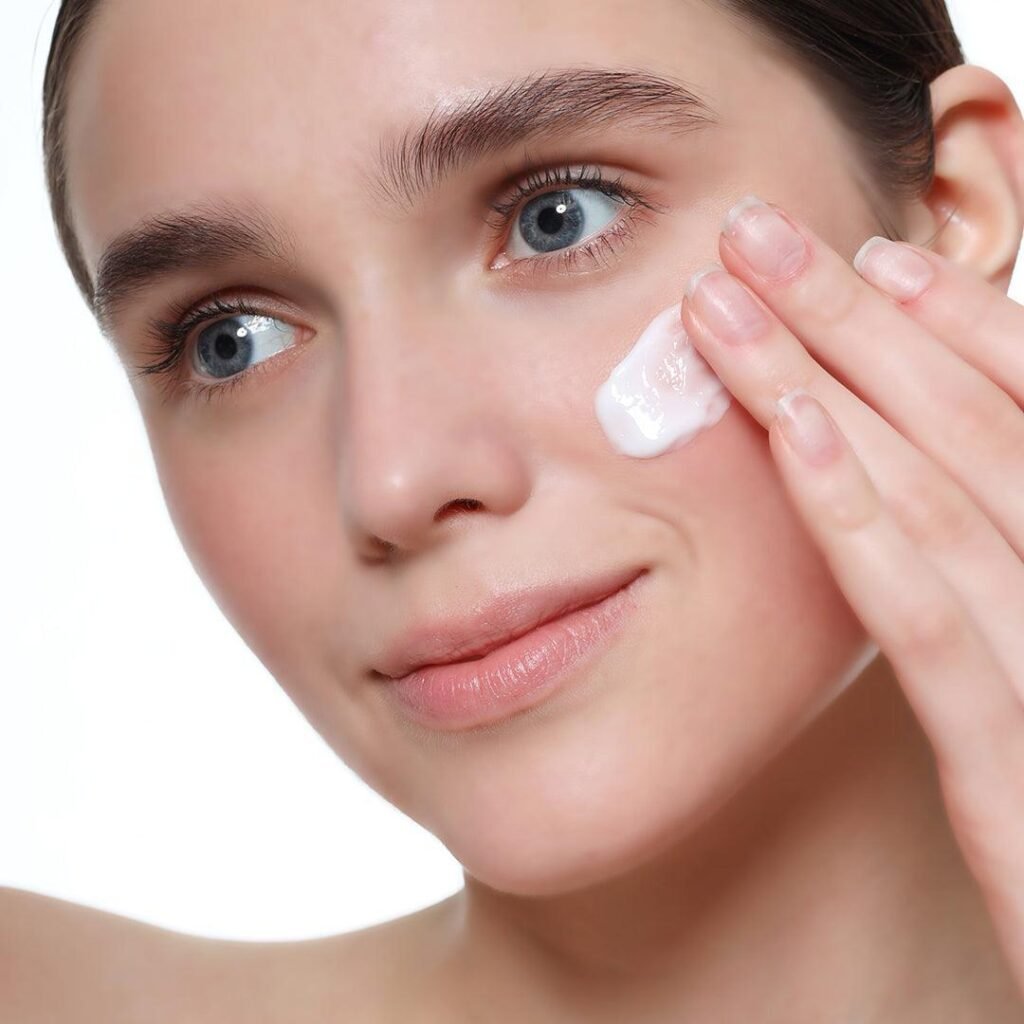
A barrier-repairing moisturizer (more on ingredients below).
- SPF in the morning. Non-negotiable, even while repairing — UV exposure causes oxidative stress that further damages an already weakened barrier.
- Put the retinol, the vitamin C, the acids on the shelf for now. They’ll still be there when your barrier is healthy again.
Step 2: Choose a Moisturizer That Actually Rebuilds
Not all moisturizers are created equal when it comes to barrier repair. You want ingredients that mimic and replenish the natural components of your skin barrier:
- Ceramides are lipids that make up about 50% of the skin barrier’s composition. Look for ceramide NP, AP, and EOP — ideally in combination. Cerave products are ceramide-forward and widely accessible.
- Cholesterol and fatty acids work alongside ceramides to restore the lipid matrix. The ideal ratio in research studies is approximately 3:1:1 (ceramides:cholesterol:fatty acids), but any balanced combination helps.
- Hyaluronic acid draws moisture into the skin, but it needs to be paired with an occlusive ingredient — otherwise it can actually pull moisture out of deeper skin layers in dry environments.
- Glycerin is a humectant that’s been proven effective at reducing TEWL and keeping the outer skin layer hydrated.
- Petrolatum (Vaseline) is one of the most effective occlusives available and safe for compromised skin. It doesn’t repair the barrier chemically, but it prevents moisture from escaping while repair happens naturally.
Step 3: Support the Repair Process From Inside
Skin barrier repair isn’t just topical. Your body builds new skin cells and lipids from dietary sources. Some evidence suggests that omega-3 fatty acids (found in fish oil, flaxseed, and walnuts) support skin lipid production. Staying adequately hydrated and getting enough sleep both matter — skin cell renewal peaks during sleep.
Step 4: Reintroduce Actives Slowly
After 3-4 weeks of barrier-first skincare, your skin should feel calmer. Then — and only then — you can begin slowly reintroducing actives. Start with the mildest version of one active at a time. Use it once a week. Watch for any sign of irritation before increasing frequency.
For an in-depth guide on ingredient layering, check out our Skincare Ingredients Guide for Beginners — it covers what to combine and what to keep separate.
Barrier-Friendly Ingredients to Look For
When shopping for products during your barrier repair phase, these are the ingredients you want to see prominently in the formula:
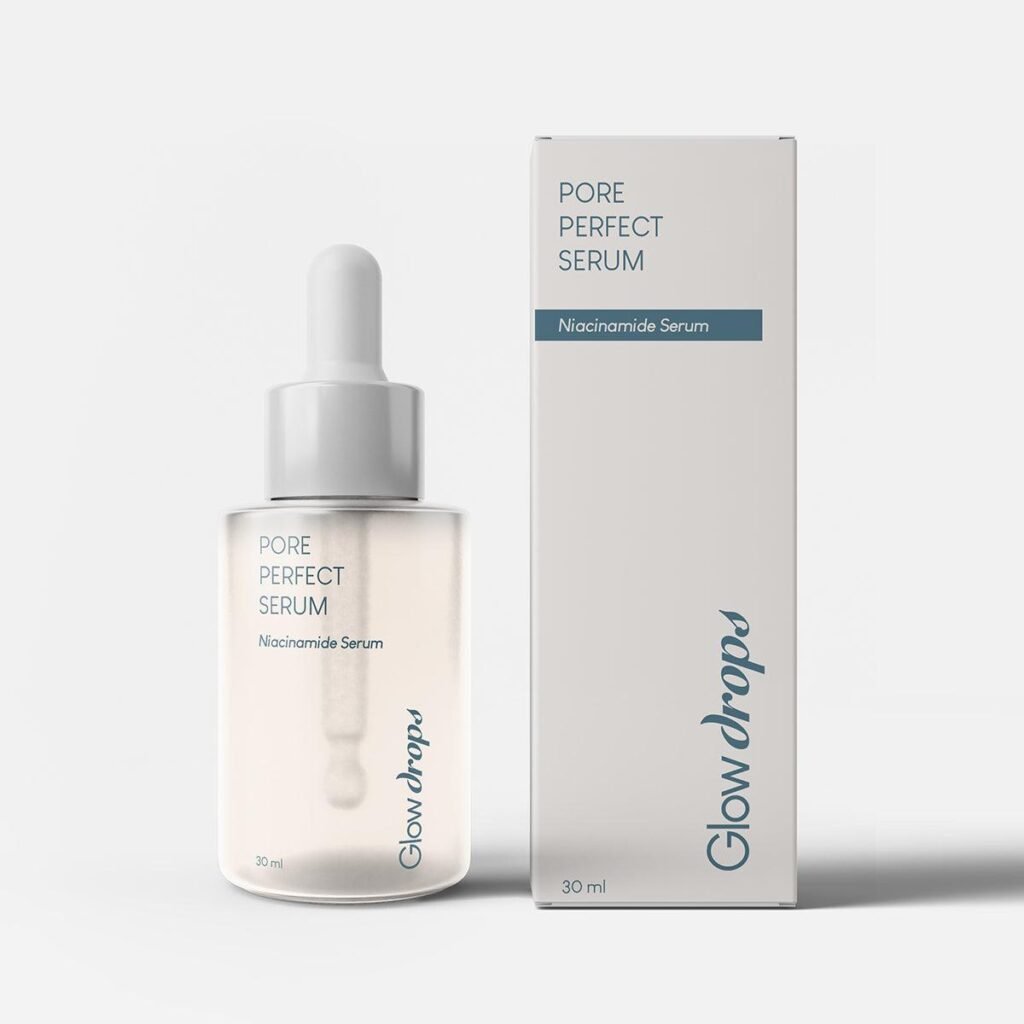
Ceramide NP, AP, EOP — the trifecta of barrier-repairing lipids. Niacinamide (in low concentrations of 2-5%) — anti-inflammatory, supports ceramide production without being harsh. Panthenol (vitamin B5) — soothing and film-forming, helps reduce moisture loss. Allantoin — calms irritation and supports cell renewal. Centella asiatica (cica) — popular in Korean skincare for its wound-healing and anti-inflammatory properties.
Ingredients to Avoid While Repairing
Just as important as what you add is what you remove. During the repair phase, stay away from:
Retinoids and retinol. Glycolic acid, lactic acid, salicylic acid, and other exfoliating acids. High concentrations of vitamin C (L-ascorbic acid above 15%). Fragrances and essential oils. Alcohol-heavy toners. Physical scrubs of any kind.
How Long Does It Take?
Mild barrier damage can show improvement within 2-4 weeks. More significant damage — especially from months of over-exfoliation — can take 2-3 months to fully normalize. The key is patience and consistency. Keep the routine simple, stay consistent, and resist the urge to troubleshoot with new products.
If your skin isn’t improving after 4-6 weeks of barrier-focused care, or if symptoms are severe (extreme redness, swelling, oozing), that’s when a board-certified dermatologist becomes essential. Conditions like eczema, perioral dermatitis, or contact dermatitis can mimic barrier damage but need different treatment approaches.
Frequently Asked Questions
Can you repair a damaged skin barrier quickly?
Mild damage can improve noticeably within 2 weeks with the right approach, but complete recovery for more severely compromised skin typically takes 4-8 weeks. There’s no overnight fix — the skin barrier rebuilds itself cell by cell.
Is Vaseline good for a damaged skin barrier?
Yes. Petrolatum (Vaseline) is one of the most evidence-backed occlusives for protecting a compromised barrier. It doesn’t repair damage directly but prevents moisture loss while your skin heals naturally. It’s especially useful at night as a final step (“slugging”).
Can I use niacinamide with a damaged barrier?
In low concentrations (2-5%), niacinamide is generally well-tolerated even on sensitive, damaged skin. It’s anti-inflammatory and actually supports ceramide synthesis. However, if your skin is extremely reactive, even niacinamide can be temporarily irritating — introduce it slowly.
Does drinking more water help the skin barrier?
Adequate hydration supports overall skin health, but topical moisturization matters more for the barrier specifically. However, being chronically dehydrated can worsen dryness. Focus on both — drink enough water and apply barrier-supportive moisturizers consistently.
What is the best cleanser for a damaged skin barrier?
A cream or oil cleanser with a pH around 5.0-5.5 and no added fragrance or harsh surfactants. Micellar water works as an alternative if physical cleansing feels too harsh. Avoid foaming cleansers that feel “squeaky clean” — that feeling means your skin’s natural oils have been stripped.
For more deep dives on specific skin conditions, explore our Sensitive Skin Care guide — and for external validation on ceramide research, the American Academy of Dermatology has published patient-friendly guides on barrier function and eczema management.
Your barrier is tougher than you think. Give it the right conditions, and it will do the rest.