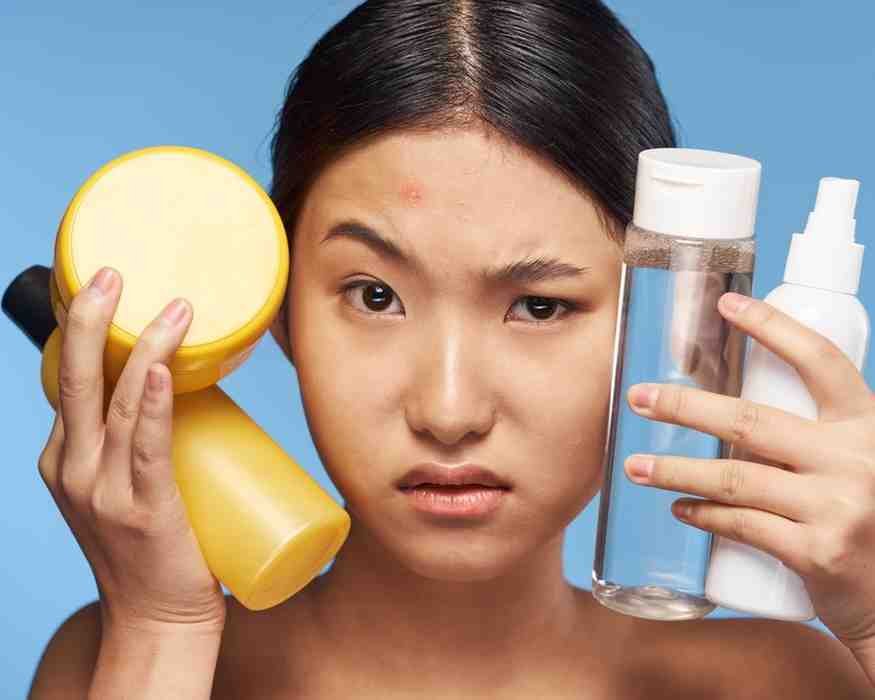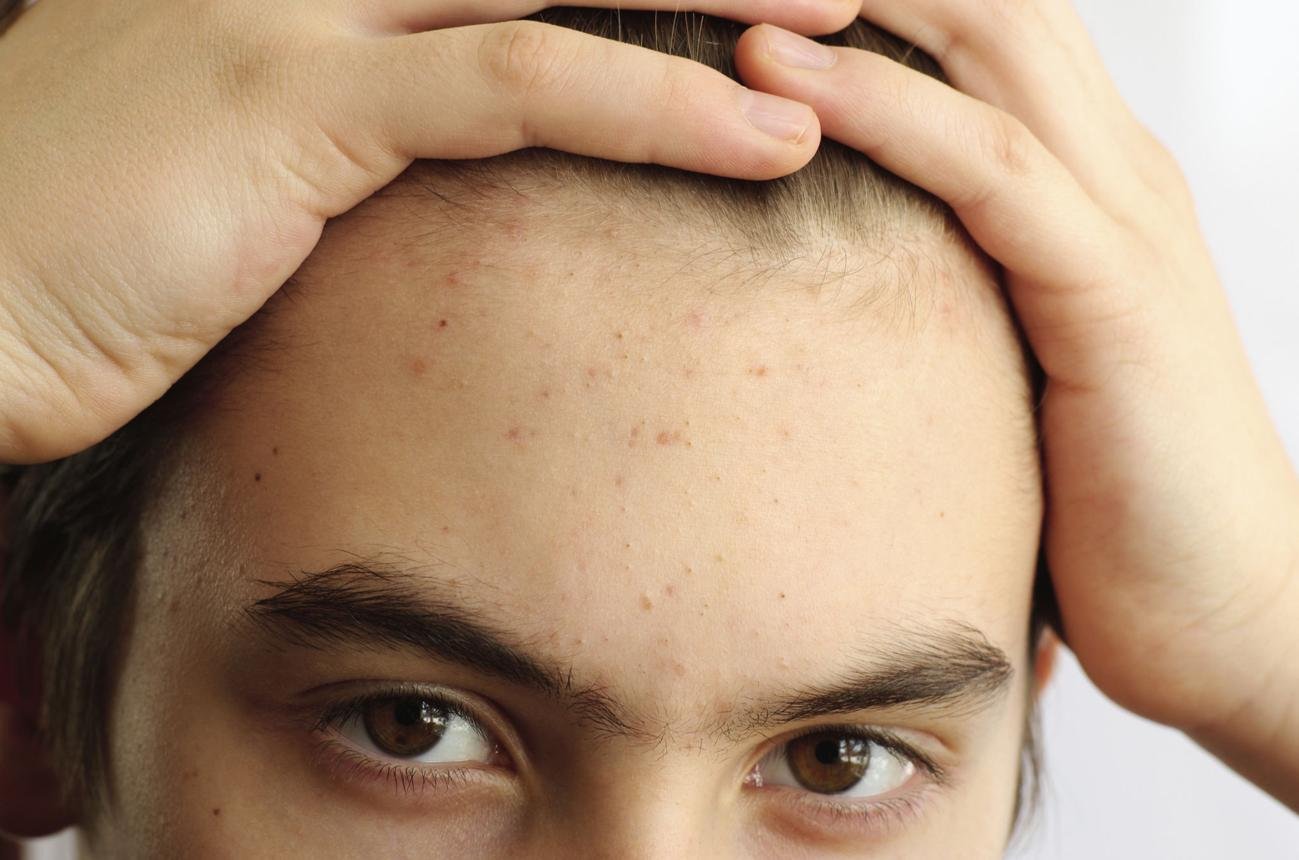
Being a teenager means navigating your skin at its most chaotic. Hormones are flooding your system, your sebaceous glands are working overtime, and the skin you’ve had your whole life is suddenly behaving in completely new and unwelcome ways.
Skincare Routine for Teenagers With Acne Products that worked for a while stop working. And skincare content online ranges from simple advice to 10-step K-beauty routines that cost more than a month of lunch money.
Here’s the good news: teenagers don’t need complicated routines. You need the right basics, consistently applied, with ingredients that address the specific way teen skin behaves. That’s it.
Why Teen Skin Is Different?
The driving force behind most teen skin concerns is hormonal specifically, the surge in androgens (testosterone and related hormones) that begins during puberty. Androgens directly stimulate sebaceous glands to produce more sebum.
Also Read
Pregnancy-Safe Skincare Routine: What’s Actually Safe and What You Need to Stop Using Now
Add bacteria (specifically Cutibacterium acnes, formerly Propionibacterium acnes), which thrive in oily, low-oxygen environments like clogged pores, and you have the complete picture of hormonal acne: clogged pores → bacterial growth → inflammation → pimples.
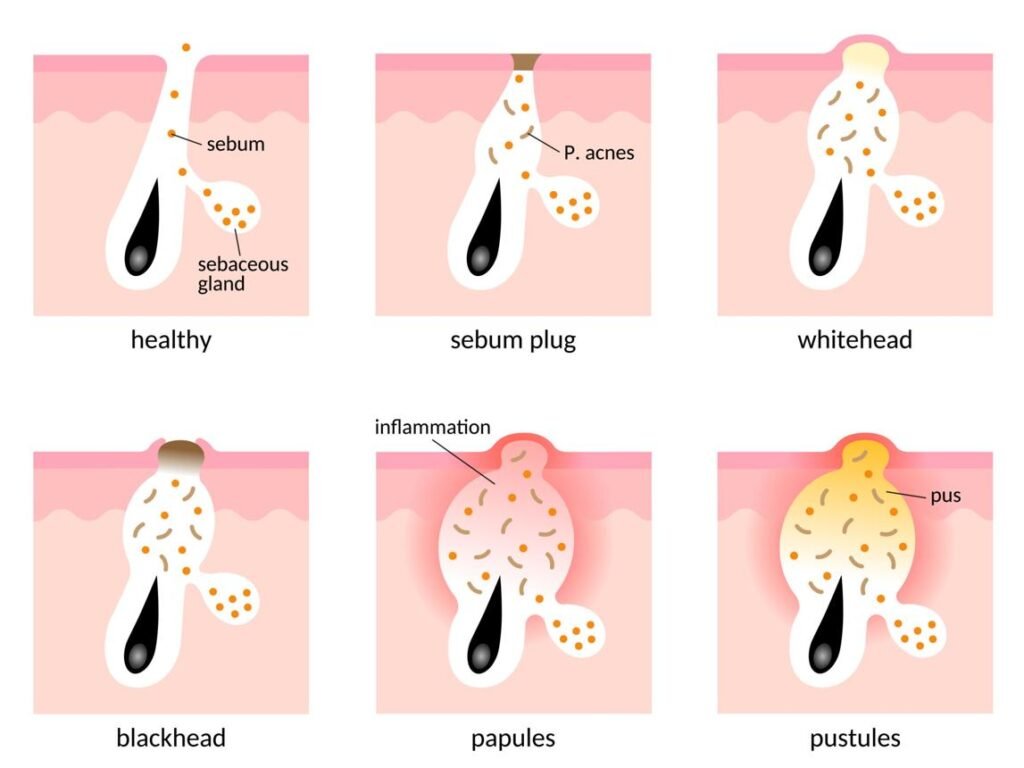
Teen skin is also in active development. The skin barrier and sebum production haven’t settled into adult patterns yet.
The other thing worth knowing: over-treating teen acne is a real problem. The desire to do something anything about breakouts leads many teenagers to layer too many harsh products, strip their skin, and trigger a cycle of irritation, compensatory oil production, and more breakouts. Restraint is part of the strategy.
The Core 4-Step Routine for Teen Acne
Step 1: Gentle Acne Cleanser (Morning and Night)
The instinct with oily, acne-prone skin is to find the most powerful cleanser something that really strips the oil away. Resist this. A gel cleanser designed for oily or acne-prone skin, with no heavy fragrances and ideally with either:
- Salicylic acid (0.5-2%) — an oil-soluble acid that penetrates pores, reduces blackheads and whiteheads, and helps prevent new clogged pores from forming. This is the most useful acne-fighting cleanser ingredient for teen skin.
- Benzoyl peroxide (2.5-5%) — antibacterial, kills the bacteria that cause inflamed acne pimples. Effective for inflammatory breakouts (red, swollen pimples) but can be drying.
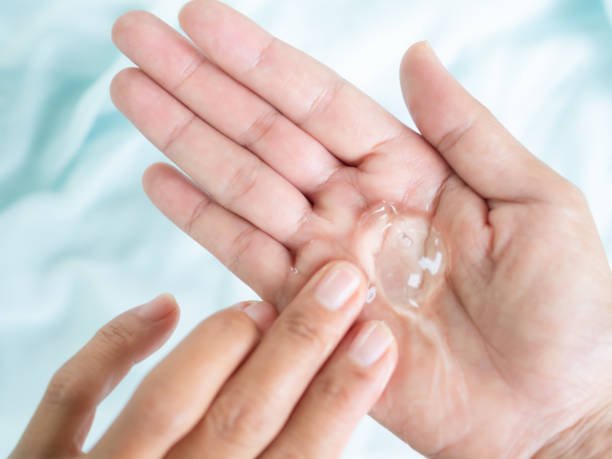
You don’t need both in one cleanser — choose based on your main concern. Predominantly blackheads and clogged pores? Salicylic acid. Mostly inflamed pimples? Benzoyl peroxide.
Also Read
Niacinamide Benefits for Skin: Full Guide (2026)
Twice daily is sufficient. More than twice dries out and irritates skin without meaningful benefit to acne. If skin feels tight after washing, your cleanser is too harsh — switch to a gentler formula.
Step 2: Lightweight Moisturizer
A lightweight, oil-free, non-comedogenic gel moisturizer is the goal.
Ingredients to look for: niacinamide (controls oil production, reduces pore appearance, anti-inflammatory), hyaluronic acid (hydration without oil), glycerin.
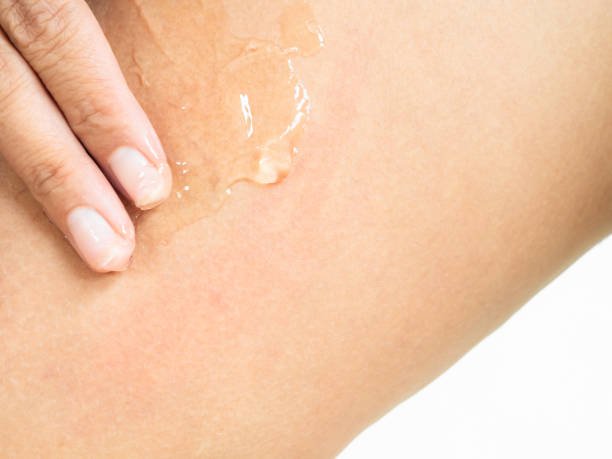
Ingredients to avoid: heavy oils, thick butters on the face, anything labeled “rich” or “intense” — these are designed for dry skin and will contribute to congestion in oily teen skin.
Apply a small amount after cleansing, morning and night.
Step 3: SPF (Every Morning)
Teen skin is still accumulating UV damage that will show up in your 30s and 40s. The habits you build now matter enormously for how your skin ages.
More immediately: if you have dark marks from healed pimples (post-inflammatory hyperpigmentation), sun exposure will deepen them and slow their fading significantly.
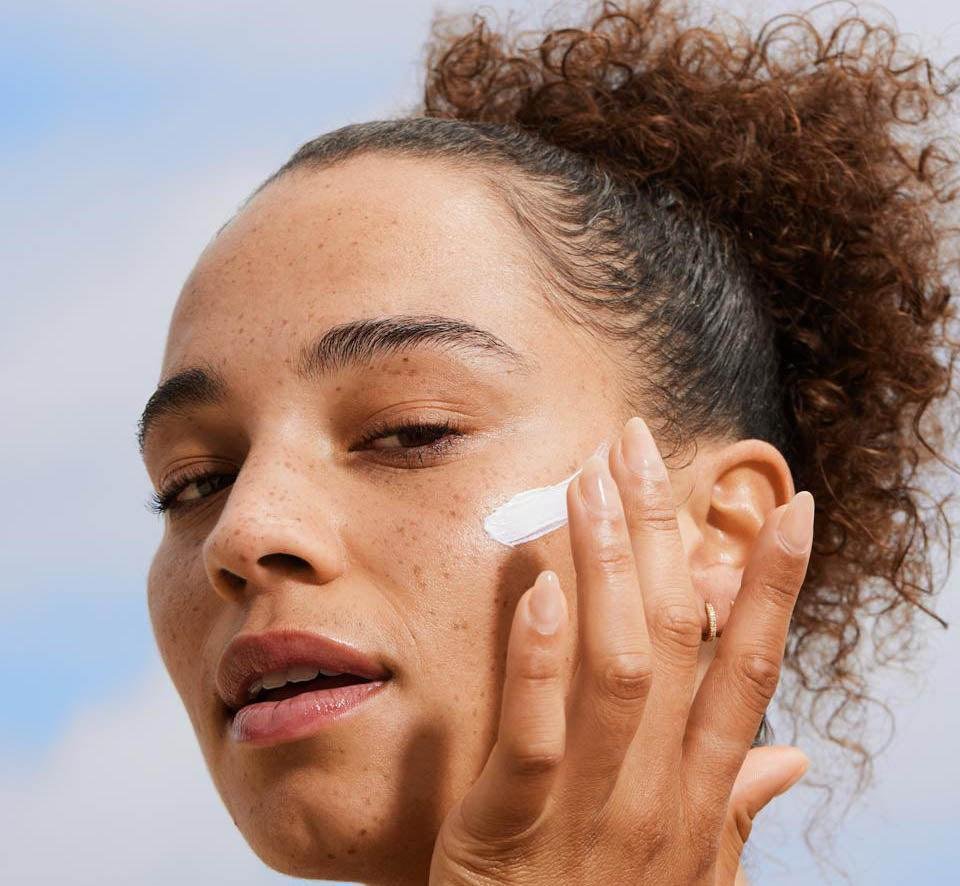
An oil-free, non-comedogenic SPF 30 or higher, worn every morning, is the most impactful aging-prevention and skin-health step you can take in your teens. It should feel weightless on skin — no white cast, no greasiness.
Step 4: Acne Spot Treatment
For individual pimples that break through your routine: benzoyl peroxide 2.5% spot treatment directly on the pimple is one of the most effective OTC treatments available.
Apply a small amount only on the pimple, not the surrounding skin. Leave on overnight or as directed.
Salicylic acid spot treatment is an alternative for less inflamed, more comedonal spots.
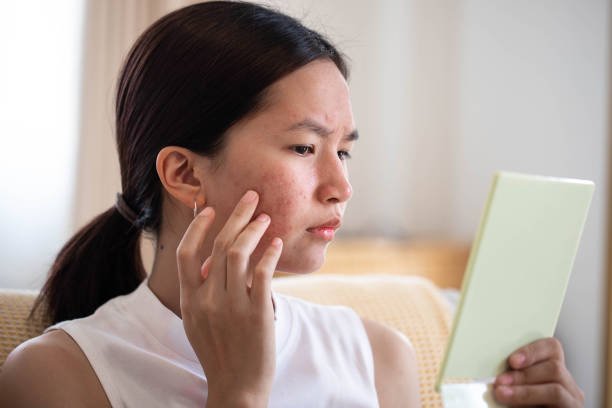
Do not pick. This is genuinely the hardest part — and also one of the most important. Picking at pimples prolongs healing, drives bacteria deeper, and dramatically increases the risk of permanent scarring and post-inflammatory hyperpigmentation. Touching your face during the day with unwashed hands is a frequent contributor to breakouts — bacteria transfer from hands to face and into already-compromised pores.
Also Read
Skincare Routine for Rosacea: What to Use, What to Absolutely Avoid
Add-Ons for Specific Concerns
- Persistent acne not responding after 2-3 months: Add a leave-on salicylic acid toner or serum (2%) applied after cleansing and before moisturizer. This delivers the ingredient at a concentration that has more time to work than a wash-off cleanser.
- Acne scars / dark marks: Niacinamide at 5-10% applied nightly helps fade post-inflammatory hyperpigmentation over several months. Combined with consistent SPF, this is the most effective OTC approach for teen acne marks.
- Blackheads that won’t clear: A BHA-only exfoliant (Paula’s Choice 2% BHA Liquid Exfoliant or The Inkey List Salicylic Acid Cleanser used as a leave-on) 3-4 times per week is more effective than a physical scrub. Avoid the walnut or apricot scrubs marketed for acne — they cause micro-tears in skin and do not improve acne.
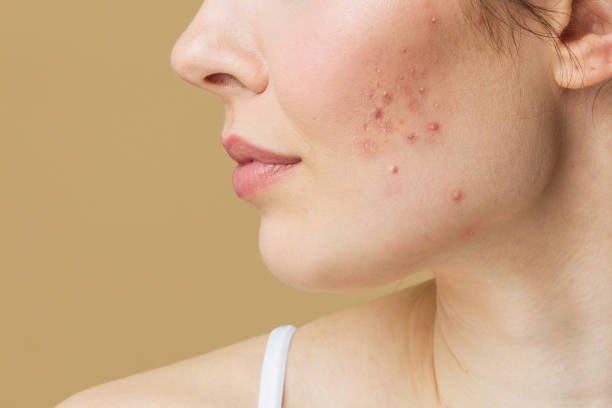
What Not to Use on Teen Skin
Too many actives at once: If you’re using benzoyl peroxide, retinol, salicylic acid, and a glycolic acid toner all at once, you’re over-treating your skin. Pick one or two actives and let them work. Adding more products when something doesn’t immediately work usually makes things worse.
Retinol (proceed carefully): Retinol is generally fine for teen skin with a healthy barrier — but it should be introduced slowly and isn’t necessary for most teenage acne cases. The basics above handle most teen skin concerns without the need for retinol. If your acne is severe, talk to a dermatologist about prescription tretinoin rather than self-treating with OTC retinol.
Toothpaste on pimples: An old internet myth. Toothpaste is highly alkaline, contains ingredients that irritate skin, and doesn’t effectively treat acne. Use benzoyl peroxide spot treatment instead.
Heavy foundations and makeup as “coverage” for acne: Frequent heavy makeup application without thorough removal at night worsens acne. If you wear makeup, choose non-comedogenic formulas and always remove it completely before bed.
When to See a Dermatologist?
If a consistent OTC routine hasn’t meaningfully improved your acne after 2-3 months, or if you have cystic acne (large, painful, deeply inflamed nodules), a dermatologist visit is worth it. Prescription options — tretinoin, topical antibiotics, or for severe cases oral antibiotics or isotretinoin (Accutane) — can produce results that OTC products simply cannot achieve for moderate to severe acne.
Teenage acne that leaves scarring is worth treating aggressively early intervention prevents the kind of permanent scarring that’s much harder to treat in adulthood.
For external guidance specifically on teen acne, the American Academy of Dermatology provides detailed, dermatologist-reviewed teen acne resources.
Frequently Asked Questions
Is it normal to have acne as a teenager?
Extremely common acne affects around 85% of teenagers at some point during adolescence. Hormonal fluctuations during puberty are the primary cause. While common, acne worth treating — consistent skincare significantly reduces its severity and prevents the scarring and hyperpigmentation that can linger long after teenage years end.
What’s the best cleanser for teenage acne?
A gentle gel cleanser with salicylic acid (for blackheads and clogged pores) or benzoyl peroxide 2.5% (for inflamed pimples) are the most effective OTC options. Avoid heavily fragranced cleansers and harsh scrubs — they irritate without improving acne.
Does chocolate cause acne in teenagers?
The research on chocolate specifically is mixed. High-glycemic foods and dairy have stronger evidence linking them to acne in sensitive individuals. If you notice consistent breakouts after specific foods, reducing those foods is worth trying — but dietary changes alone rarely eliminate teenage acne driven by hormonal factors.
Should teenagers use retinol?
OTC retinol can be used by teenagers, but it’s not typically the first step — the four-step basic routine above should be established first. If OTC basics don’t adequately control acne, consulting a dermatologist about prescription tretinoin is a better path than self-treating with retinol for severe cases.
How do I get rid of acne scars as a teenager?
Post-inflammatory hyperpigmentation (dark marks) responds to: consistent SPF use (prevents darkening), niacinamide 5-10% (accelerates fading), and patience — most marks fade significantly within 3-6 months with this approach. True acne scars (textural changes, indentations) are harder to treat topically and may require professional treatments in severe cases.