Rosacea is one of those conditions that’s deeply misunderstood even by people who have it. It looks like acne, gets treated like acne, and then gets worse because of the treatment. It responds dramatically to triggers that seem completely unrelated to skin.
And it tends to progress over time if not properly managed, which means the stakes of getting the routine right are higher than for most skin concerns.
If you have rosacea (or suspect you do), this guide explains what’s actually happening, what makes it better, and what to remove from your routine immediately.
What Is Rosacea?
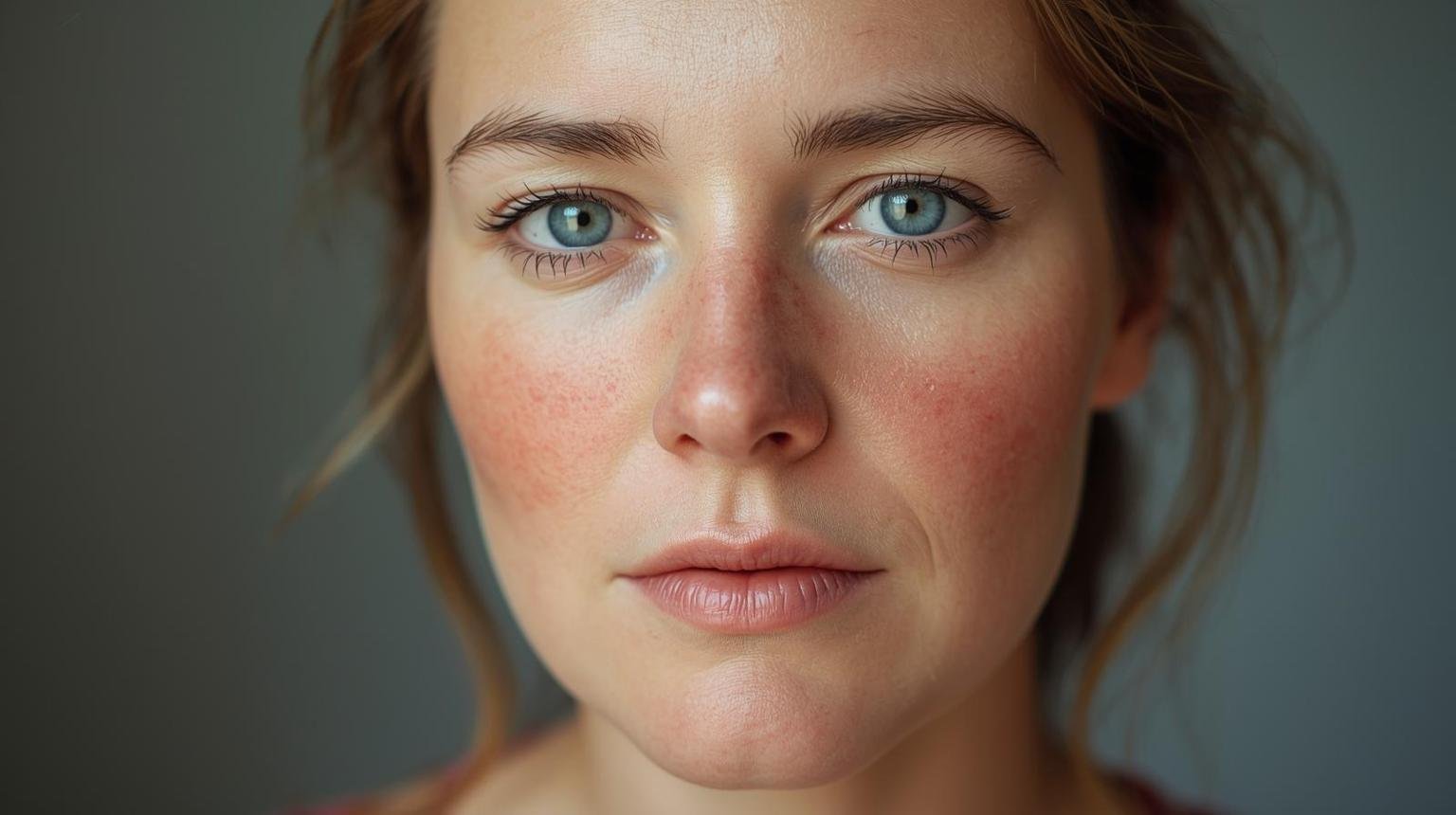
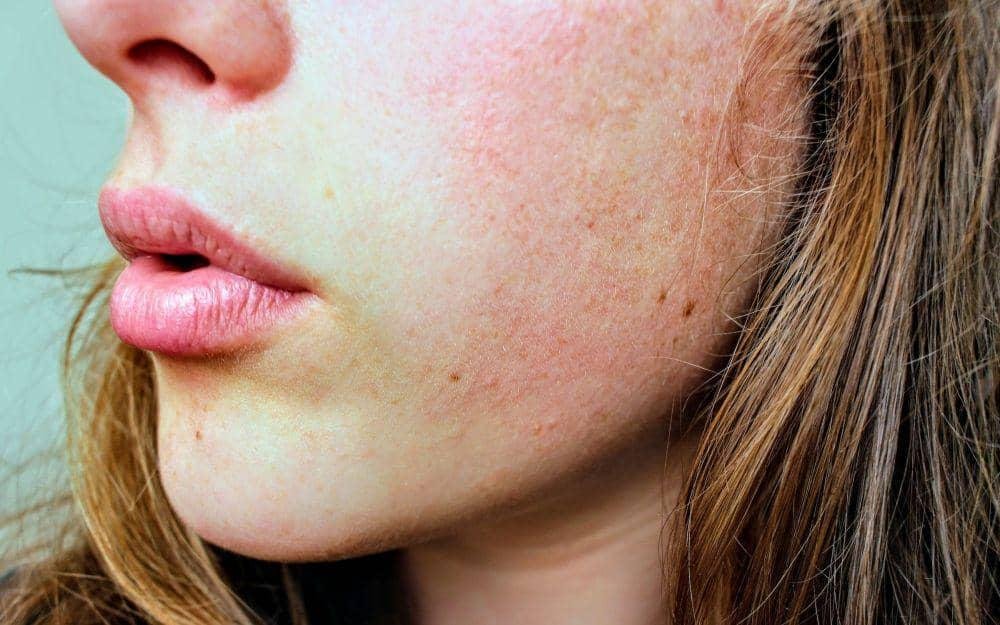
Rosacea is a chronic, inflammatory skin condition that primarily affects the face particularly the central face (cheeks, nose, chin, forehead). It’s characterized by episodes of flushing, persistent redness, visible blood vessels (telangiectasias), and in some subtypes, papules and pustules that closely resemble acne.
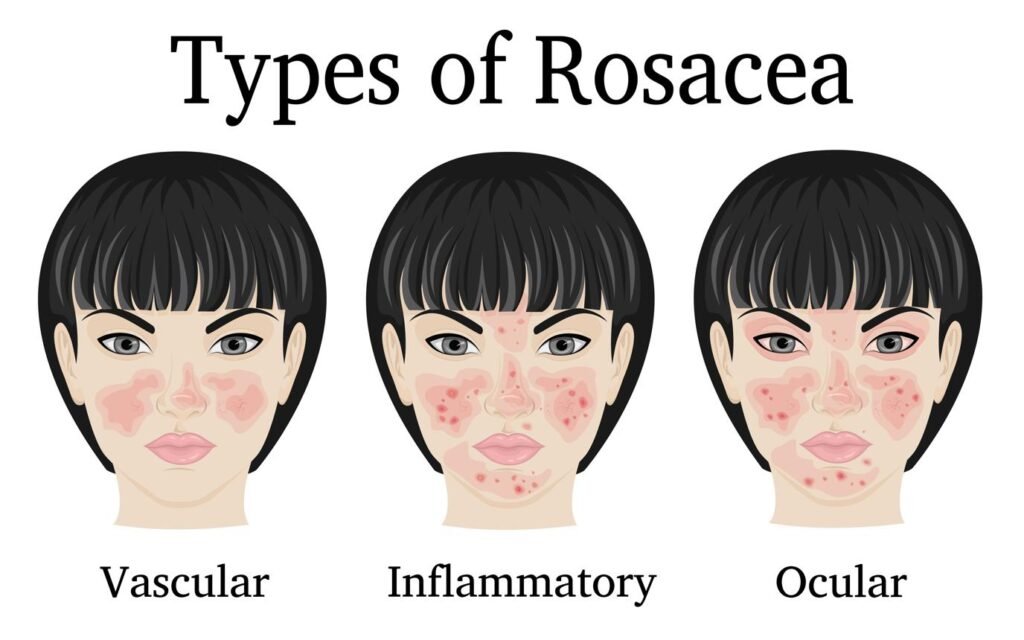
There are four primary subtypes:
Erythematotelangiectatic rosacea (ETR): Flushing and persistent redness, often with visible blood vessels. The most common subtype. Skin may feel hot, sensitive, and reactive.
Papulopustular rosacea: Redness alongside breakouts — papules and pustules. This is the subtype most often confused with acne. The key difference: rosacea breakouts tend to be more widespread, less concentrated in specific areas, and accompanied by persistent background redness rather than the localized red base of acne.
Phymatous rosacea: Skin thickening and irregular texture, most commonly affecting the nose (rhinophyma). More common in men. Typically a later stage of progression.
Ocular rosacea: Affects the eyes and eyelids — causing dryness, redness, burning, and sensitivity. Often accompanies other subtypes.
Also Read
How to Get Bronze Skin Without Sun: 5 Methods That Actually Work
The underlying mechanism involves dysfunction in the innate immune system that makes the skin’s blood vessels and nerve fibers abnormally reactive to triggers. Recent research also implicates the skin microbiome — specifically elevated populations of a skin mite called Demodex — in rosacea pathology.
Common Rosacea Triggers
Rosacea management is significantly about trigger avoidance. The most common triggers vary by individual, but include:
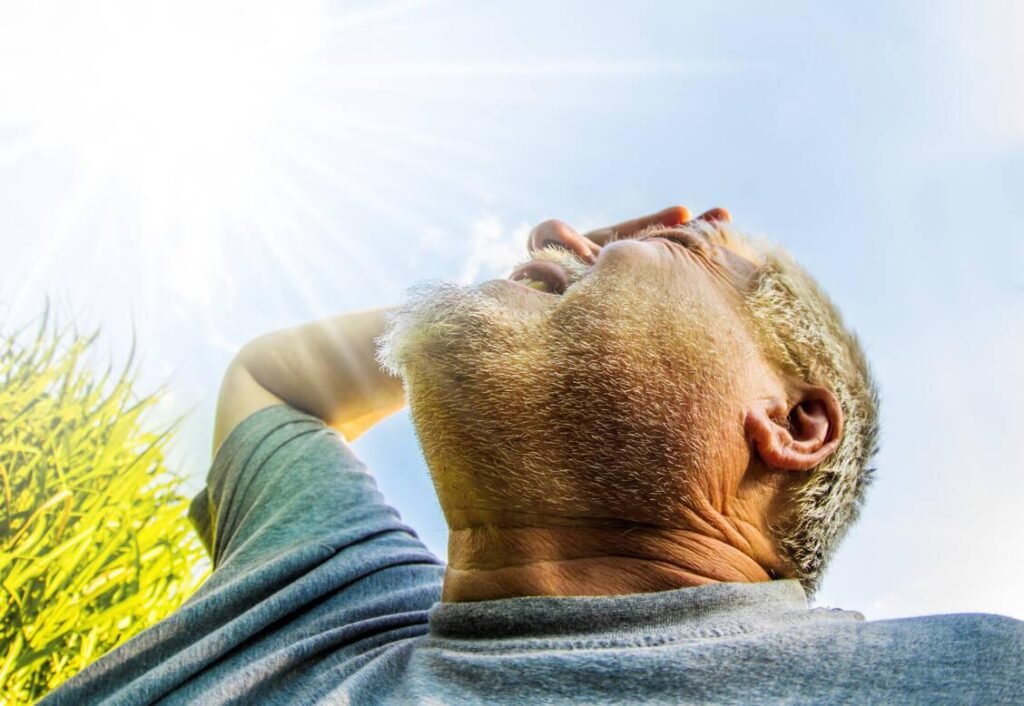
Sun exposure (the #1 trigger for most people with rosacea). Heat in all forms — hot beverages, hot showers, saunas, exercise in heat. Alcohol (particularly red wine, which is a notably potent vasodilator).
Spicy foods. Stress. Wind and cold temperatures. Fragrances in skincare and cosmetics. Physical exfoliants and harsh cleansing. Niacin (high-dose supplements, not the niacinamide used in skincare).
Keeping a “trigger journal” — noting what you ate, did, and applied before flares is one of the most practical tools for identifying your specific triggers, which vary significantly between individuals.
The Rosacea-Safe Skincare Routine
Cleansing
Cleansing for rosacea is about removing dirt and product without triggering the sensitivity response. The priorities: gentle, fragrance-free, low-pH formula. Avoid physical exfoliants, scrubs, and rough washcloths — mechanical friction is a direct rosacea trigger.
Cream or milk cleansers are ideal for most rosacea subtypes. If your skin is oily (which can coexist with rosacea), a gentle gel cleanser with no fragrance or alcohol is appropriate.
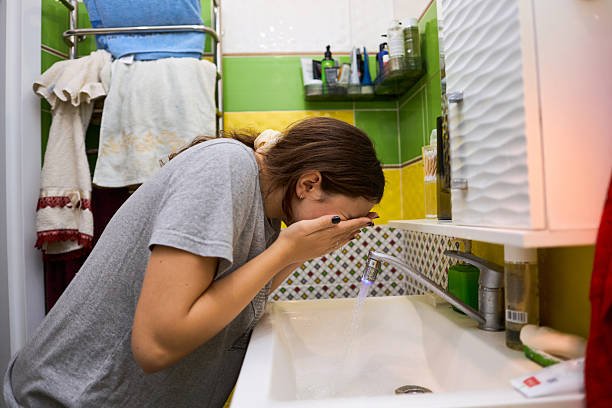
Rinse with cool or lukewarm water — hot water causes vasodilation and can trigger flushing.
Pat (never rub) dry with a soft cloth.
Active Ingredients That Help Rosacea
Azelaic acid is the frontline skincare ingredient for rosacea and one of the most underrated. At 15-20% (prescription grade), azelaic acid is FDA-approved for both rosacea and acne.
At 10% OTC, it’s still meaningfully effective. It works by reducing inflammation, inhibiting the inflammatory pathways activated in rosacea, and having some antimicrobial activity against the bacteria associated with papulopustular rosacea.
This should be the first active ingredient in a rosacea routine.
Niacinamide (4-5%) is strongly anti-inflammatory and has demonstrated effectiveness in reducing rosacea redness and skin reactivity. It also strengthens the skin barrier, which is typically compromised in rosacea and contributes to the skin’s hypersensitivity.
Centella asiatica (cica) and its active components (madecassoside, asiaticoside) have well-documented anti-inflammatory and wound-healing properties. They’re particularly effective for rosacea because they calm the vascular reactivity without the irritation risk of stronger actives.
Also Read
Does Tanning Oil Damage Skin? What Dermatologists Actually Say
Green tea extract contains EGCG (epigallocatechin gallate), which has anti-inflammatory and mild vascular-calming properties. Look for products specifically formulated for sensitive or rosacea-prone skin that feature green tea extract.
Sulfur (in low concentrations) is anti-inflammatory and antimicrobial, effective for papulopustular rosacea. Some rosacea-specific cleansers include low-concentration sulfur.
Moisturizer
Rosacea-prone skin typically has a compromised barrier that contributes to its sensitivity and reactivity.
A well-formulated, fragrance-free moisturizer with ceramides, hyaluronic acid, and glycerin supports barrier repair and reduces the skin’s hypersensitivity over time.
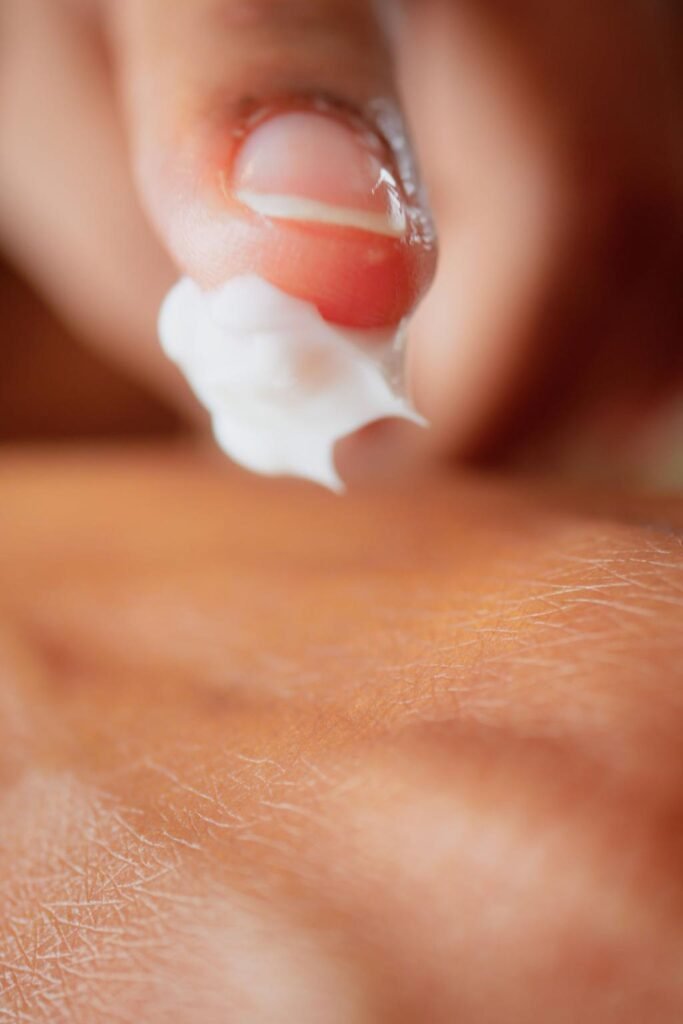
Avoid heavy occlusive creams if you have papulopustular rosacea — they can trap heat and potentially worsen inflammatory breakouts. A medium-weight, barrier-supportive moisturizer is generally ideal.
Gel-cream formulas are often well-tolerated by oily-skin rosacea sufferers.
SPF — Non-Negotiable
Sun exposure is the most universal rosacea trigger. Daily SPF is essential and arguably more important for rosacea than for almost any other skin condition. Mineral sunscreen (zinc oxide and/or titanium dioxide) is generally better tolerated by rosacea-prone skin than chemical SPF — mineral filters don’t require chemical absorption and tend to be less irritating to reactive skin.
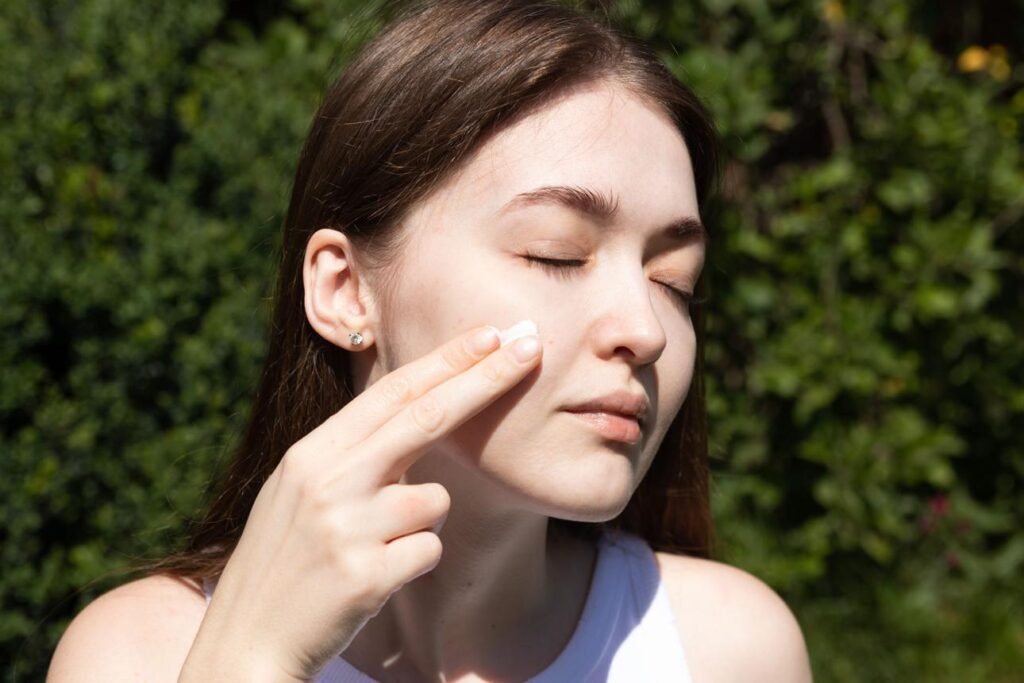
Tinted mineral SPFs have an additional benefit for rosacea: iron oxide pigments in the tint provide some protection against visible light, which can also trigger flushing in sensitive rosacea skin.
What to Completely Avoid With Rosacea
Fragrances and essential oils: The single most common skincare ingredient category causing rosacea flares. Every product that contacts rosacea-prone skin should be fragrance-free.
Physical exfoliants: Scrubs, exfoliating brushes, microdermabrasion, and rough washcloths cause mechanical irritation that directly triggers rosacea.
Chemical exfoliants (proceed with extreme caution): AHAs and BHAs can be severe rosacea triggers. If you need exfoliation, azelaic acid is a gentler alternative. If trying a mild AHA, introduce at very low concentration and immediately discontinue if flushing occurs.
Retinoids (with exceptions): Full-strength retinol and tretinoin often trigger significant rosacea flares. Encapsulated retinol or prescription azelaic acid are preferred first steps.
Some dermatologists introduce very low concentration retinol slowly for papulopustular rosacea only under supervision.
Alcohol-containing products: High-alcohol toners, sprays, and aftershaves are vasodilators and immediate rosacea triggers.
Medical Treatment
First-line medical treatments include topical metronidazole (antibiotic), topical ivermectin (targets Demodex mites), and brimonidine or oxymetazoline (vasoconstricting drops for redness).
Oral doxycycline at sub-antimicrobial doses is used for papulopustular rosacea. Laser and IPL treatments target visible blood vessels.
If your rosacea is significantly impacting quality of life or not responding to OTC management, a dermatologist consultation is strongly recommended. Rosacea is a medical condition, not just a cosmetic one.
Our Skin Barrier guide provides context on the barrier compromise central to rosacea sensitivity. For comprehensive rosacea management resources, the National Rosacea Society offers evidence-based patient guidance updated by dermatologists.
Frequently Asked Questions
Is rosacea a type of acne?
No — rosacea and acne are distinct conditions with different underlying mechanisms and different treatment approaches. Papulopustular rosacea resembles acne visually, but rosacea involves vascular and immune dysfunction rather than clogged pores and bacterial infection. Treating rosacea like acne (with harsh actives, benzoyl peroxide, physical exfoliants) typically worsens rosacea significantly.
What clears rosacea permanently?
Rosacea is a chronic condition without a permanent cure. However, it can be effectively managed — consistent trigger avoidance, an appropriate skincare routine, and medical treatment when needed can produce significant and sustained improvement. Some subtypes (like ETR with visible vessels) respond well to laser treatments with lasting results.
Can niacinamide make rosacea worse?
Niacinamide at 4-5% is generally well tolerated and beneficial for rosacea. At very high concentrations (above 10%), niacinamide can potentially cause flushing in some people. Stick to 4-5% formulas and introduce slowly to assess tolerance.
Is rosacea an autoimmune disease?
Rosacea isn’t strictly classified as autoimmune, but it involves dysregulation of the innate immune system. The mechanisms overlap with inflammatory and autoimmune processes. There’s ongoing research into the exact etiology — it’s increasingly understood as a complex neurovascular and immune disorder rather than simply a skin surface condition.
What foods trigger rosacea flares?
Common food triggers include alcohol (especially red wine), spicy foods, hot beverages, and high-histamine foods (aged cheese, fermented foods). Individual triggers vary significantly — keeping a food and flare journal is the most reliable way to identify your personal dietary triggers.