Tanning oil is one of those products that feels luxurious on the beach — that coconut scent, the shiny finish, the feeling that you’re getting color faster.
But a question keeps coming up in dermatology forums, Reddit skincare threads, and doctor’s offices every summer: does tanning oil actually damage your skin?
The short answer is: not directly but the way it works significantly increases your UV damage exposure. Here’s the full picture. In this article i will tell you Does Tanning Oil Damage Skin?
What Does Tanning Oil Actually Do to Your Skin?
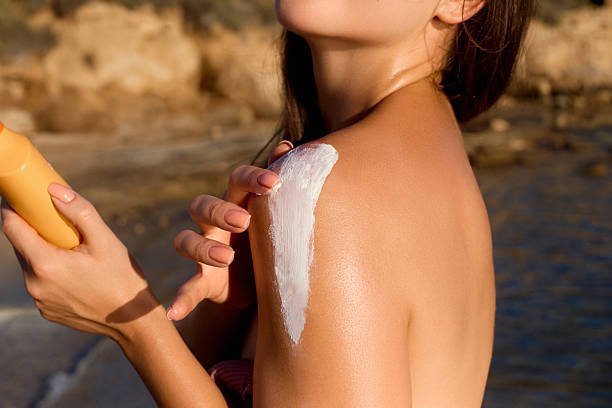
Tanning oil doesn’t damage skin directly through its ingredients. What it does is increase the amount of UV radiation that reaches your skin’s surface.
The oil creates a smooth, reflective layer on skin that focuses UV rays, accelerating the speed at which your skin tans — but also accelerating the speed at which it absorbs UV damage.
Most tanning oils have SPF 4–8 at most. For reference, SPF 8 allows approximately 87% of UV rays to reach your skin.
SPF 30, the dermatologist-recommended minimum, blocks about 97%. The gap between these numbers in real daily sun exposure terms is significant.
Also READ
Why Does My Moisturizer Pill on My Face? (5 Causes + Real Fixes)
UV Damage: What It Actually Does to Skin Over Time
UV radiation causes two types of damage:
- UVB damage — causes sunburn and directly damages DNA in skin cells. This is the primary pathway to skin cancer, including melanoma.
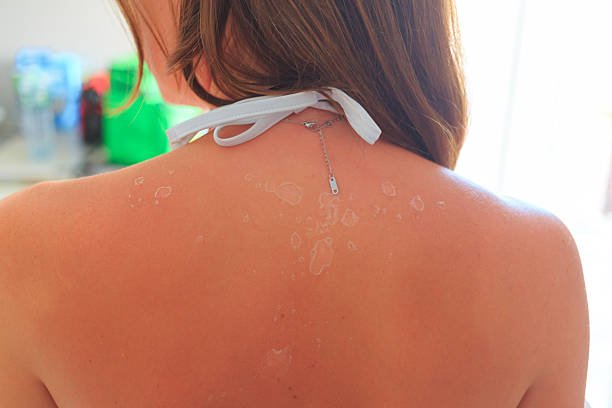
- UVA damage — penetrates deeper into the skin, breaks down collagen and elastin, and is the primary driver of photoaging: wrinkles, sagging, dark spots, and uneven texture. UVA damage happens even on cloudy days and doesn’t cause an immediate burn, so it often goes unnoticed.
Both types of UV radiation increase with tanning oil use because the oil reduces the skin’s natural reflectance and concentrates radiation reaching the surface. Source American Academy of Dermatology
What the Research Says
Dermatologists are consistent on this point: there is no safe UV tan. A tan is evidence that skin cells have been damaged and have responded by increasing melanin production as a defense.
Tanning oil accelerates this process, which means you’re accumulating damage faster per hour of sun exposure compared to using proper SPF.
The primary long-term consequences of cumulative UV exposure (which tanning oil accelerates) include premature skin aging specifically collagen degradation, which shows up as wrinkles, loss of firmness, and hyperpigmentation and an increased lifetime risk of skin cancer.
Can You Use Tanning Oil More Safely?
If you choose to use tanning oil, these practices significantly reduce your risk:
- Apply SPF 30 or higher first — broad-spectrum, water-resistant formula, as a separate base layer before the oil
- Reapply sunscreen every 2 hours — not the oil, the sunscreen
- Avoid peak UV hours — 10am–4pm is when UV intensity is highest
- Limit total sun exposure time — tanning oil is not a license to spend 6 hours in direct sun
- Don’t use tanning oil on the face — facial skin is thinner and more vulnerable to photoaging and collagen damage
A Safer Alternative: Self-Tanner + SPF
If your goal is bronze color, the combination of DHA self-tanner (for color without UV) and a dedicated SPF 30+ sunscreen (for outdoor protection) achieves that without the UV accumulation.
You get the visual result of tanning without the damage that drives skin aging and skin cancer risk.
Also READ
Self Tanner for Oily Skin: Why Your Tan Fades Fast (And How to Fix It)
FAQ: Does Tanning Oil Damage Skin?
Does tanning oil cause skin cancer?
Tanning oil doesn’t directly cause skin cancer, but it amplifies UV exposure significantly, and cumulative UV exposure is the primary risk factor for all forms of skin cancer including melanoma. Using tanning oil regularly increases your lifetime UV dose more rapidly than using proper SPF 30+ sunscreen.
Is tanning oil with SPF safe?
Tanning oils with added SPF offer more protection than those without, but they’re still typically SPF 8–15 — far below the SPF 30 minimum dermatologists recommend for outdoor exposure. A tanning oil with SPF 8 is better than nothing, but it shouldn’t replace a proper broad-spectrum SPF 30 sunscreen applied as a separate first step.
Does tanning oil make you age faster?
By increasing UV exposure, tanning oil use contributes to faster collagen breakdown — which is what causes fine lines, wrinkles, and the loss of skin firmness associated with photoaging. The visible effects typically appear years after the UV exposure occurs, making it easy to underestimate the damage being done in the moment.
Can I use tanning oil once in a while without significant damage?
Occasional, limited use with proper SPF applied underneath carries much less risk than habitual use without sunscreen. Skin damage from UV is cumulative — it’s the total lifetime dose that matters more than any single occasion. Using tanning oil once with SPF 30 underneath is very different from using it every weekend without sunscreen for 10 summers.
What is a safe tanning oil alternative?
DHA-based self-tanner applied to prepped skin gives you a realistic bronze color without UV exposure. For the outdoor shine effect of tanning oil, a tinted SPF body lotion or a moisturizing SPF 30 sunscreen applied over self-tanner achieves a similar aesthetic without the UV risk.
Bottom Line
Tanning oil doesn’t damage your skin through its ingredients — it damages it by amplifying the UV exposure that causes collagen breakdown, photoaging, and skin cancer risk. Using it without proper SPF underneath significantly increases your per-hour UV damage accumulation.
If you love the sun, use SPF 30 or higher as your base and limit total exposure time. If you want bronze color, self-tanner achieves it without UV involvement. You can have the visual goal without the skin cost.