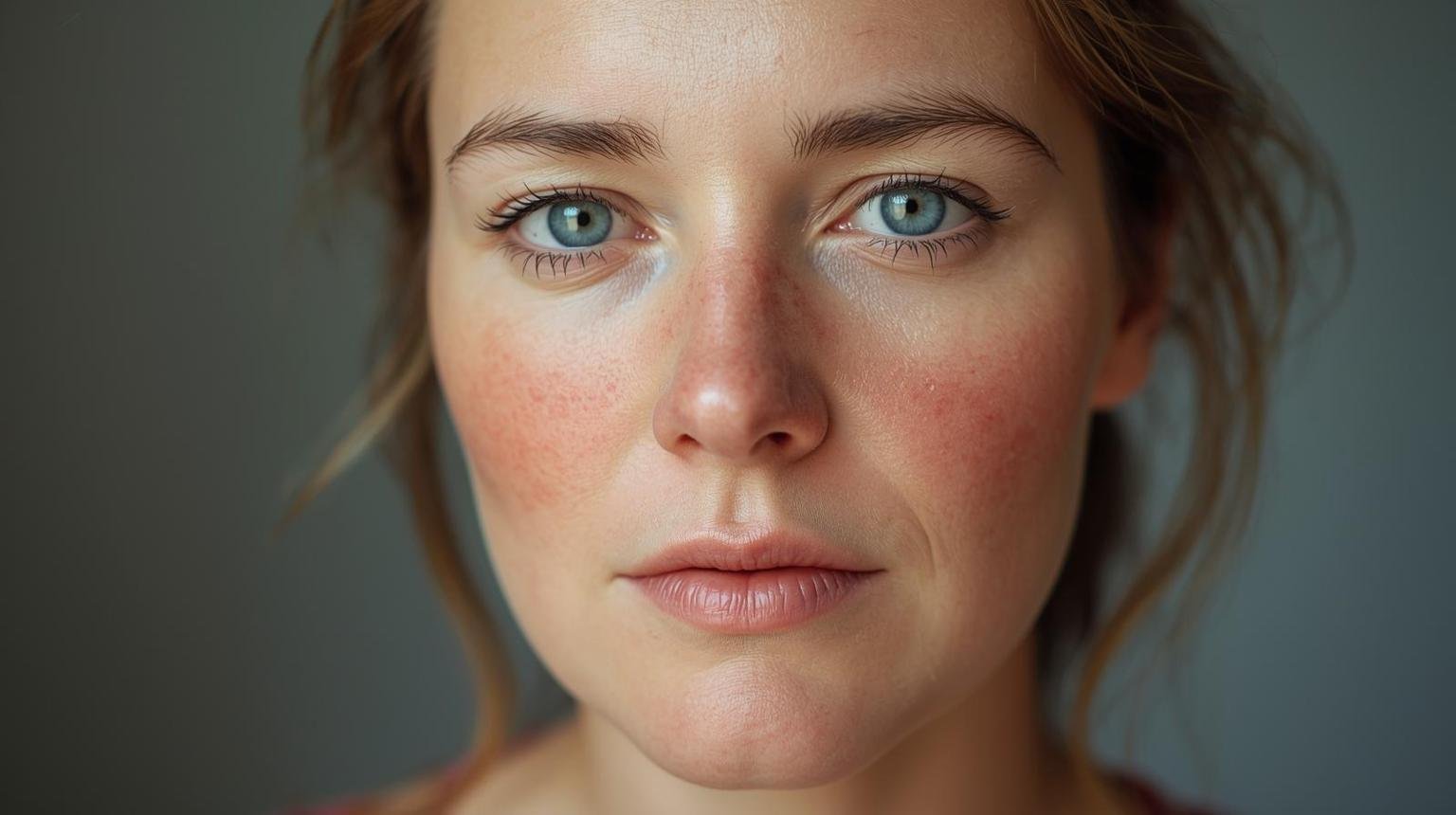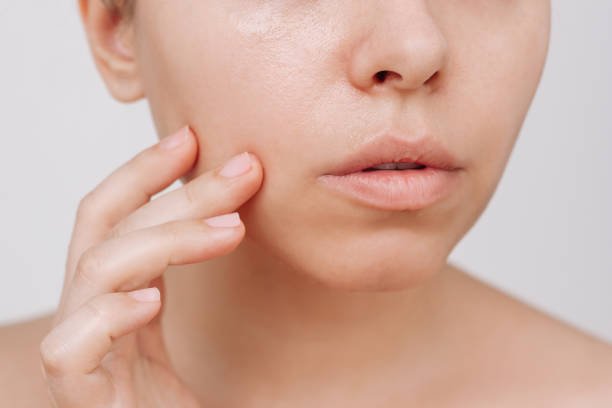
If your self-tan fades in 3 days while everyone else’s lasts a week your skin type might be the reason. Oily skin has a faster natural exfoliation rate and a different surface environment that affects how DHA reacts and how long the color sticks.
But oily skin doesn’t mean self-tanner won’t work for you. It means you need to use a slightly different approach. I will tell you in this guide: Why Self Tanner Behaves Differently on Oily Skin and what is best tips for Self Tanner for Oily Skin.
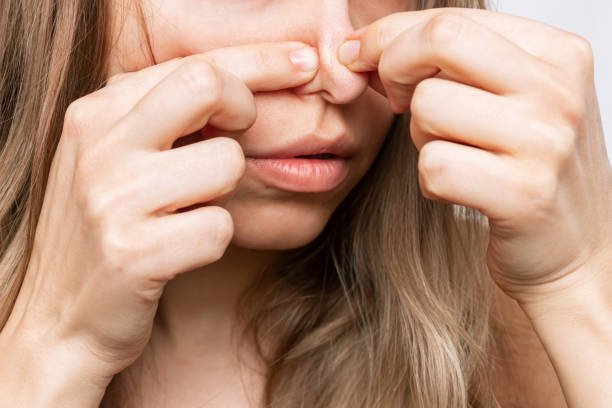
Why Self Tanner Behaves Differently on Oily Skin
DHA the active ingredient in self-tanner — reacts with amino acids in the outermost layer of your skin (the stratum corneum). On oily skin, that surface environment is different in a few ways:
- Excess sebum creates a barrier — oil sitting on the skin’s surface can interfere with how evenly DHA penetrates and reacts, leading to patchier color development
- Oily skin tends to exfoliate faster — higher sebum production is associated with slightly faster surface cell turnover, which means the DHA-stained cells shed sooner
- Heat and sweat accelerate fading — oily skin is often also more prone to sweating, and sweat breaks down the DHA-skin reaction faster
None of these are dealbreakers — they just mean your prep and product choice need to be slightly different.
Step 1: Thorough But Not Over Exfoliation
Oily skin builds up dead cells mixed with sebum more than dry skin does. A good exfoliation session before tanning is even more important for oily skin types. Use a gentle chemical exfoliant (like a glycolic acid body lotion or lactic acid wash) the day before, or a physical exfoliating mitt in the shower.
Don’t over-exfoliate thinking “more is better” aggressive scrubbing can create micro-tears that DHA will settle into unevenly. One thorough session 24 hours before application is ideal.
Step 2: Completely Remove Surface Oil Before Applying
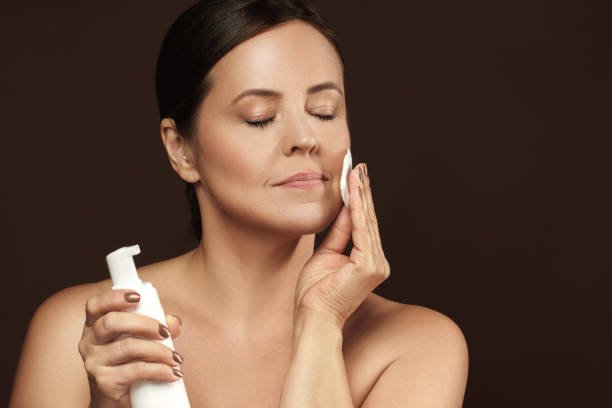
This is the step that makes or breaks a tan on oily skin. Right before applying self-tanner, wipe your skin down with a gentle toner or micellar water on a cotton pad — especially on areas that tend to be oilier, like the chest, back, and shoulders. Let your skin dry completely. Wait 10–15 minutes.
Do not apply any body oil, heavy moisturizer, or oil-based product before tanning. The oil barrier that forms will prevent DHA from reaching the skin surface evenly.
Step 3: Choose a Water-Based or Mousse Formula
For oily skin, formula type matters. Avoid oil-based self-tanning formulas and heavy cream formulas — these add more oil to an already oily surface, increasing the risk of uneven DHA reaction and faster fading.
Best formula types for oily skin:
- Mousse — lightweight, dries fast, doesn’t add oil to the skin’s surface. The most popular choice for oily skin types.
- Water-based lotion — look for “oil-free” on the label
- Tanning mist — very lightweight, good for oilier body areas
Avoid: oil-enriched self-tanners, coconut oil-based formulas, heavy body butter self-tanners.
Also READ
Does Tanning Oil Damage Skin? What Dermatologists Actually Say
Step 4: Set Your Tan After Application
After your self-tanner has dried and developed (usually 6–8 hours), a light dusting of translucent setting powder over oilier body areas can help slow down sweat-related fading. This is particularly useful in summer or for people who run warm. You can also apply a lightweight, oil-free moisturizer daily to maintain the DHA color without adding extra grease.
How to Make a Self-Tan Last Longer on Oily Skin
- Shower with lukewarm (not hot) water — heat opens pores and speeds up surface shedding
- Use a gentle, soap-free body wash — harsh soaps strip the surface faster
- Apply a fragrance-free, oil-free body moisturizer daily — hydrated skin sheds more evenly, extending tan longevity
- Reapply self-tanner every 4–5 days instead of waiting 7–10 days
- Avoid exfoliating for the full duration of your tan
FAQ: Self-Tanner and Oily Skin
Can self-tanner cause breakouts on oily skin?
Self-tanner itself doesn’t directly cause breakouts. However, formulas containing heavy oils, coconut oil, or fragrance can aggravate oily and acne-prone skin. Choose non-comedogenic, fragrance-free, oil-free formulas to minimize breakout risk.
Why does my self-tan look patchy on my chest and back?
The chest and back are typically oilier areas. If you don’t remove surface oil before applying, the sebum creates an uneven barrier and DHA can’t penetrate consistently. Wipe these areas with a gentle toner or cleansing water before applying self-tanner.
Does niacinamide affect self-tanner?
Niacinamide itself doesn’t interfere with DHA color development. However, applying a niacinamide serum immediately before self-tanner leaves a film that can affect application. Finish your skincare routine, wait 20–30 minutes, then apply self-tanner to clean, product-free skin. See our full guide on niacinamide benefits for skin for more on this ingredient.
Should I use moisturizer before self-tanner if I have oily skin?
Only on dry areas (elbows, knees, ankles) — and use a lightweight, oil-free formula. Avoid applying moisturizer to oilier areas like the chest and back before tanning. On already-oily skin, additional moisturizer before self-tanner often creates more problems than it solves.
Why does my self-tan fade faster in summer?
Heat, sweating, and swimming all accelerate DHA breakdown on the skin’s surface. In summer, plan to reapply every 4–5 days rather than the standard 7–10. Also ensure you’re using an oil-free formula and removing surface oil before each application.
Is mousse or lotion better for oily skin?
Mousse is generally better for oily skin. It’s lightweight, dries faster, doesn’t add oil, and the foam texture tends to apply more evenly without requiring you to rub in a heavy lotion. Water-based lotions labeled “oil-free” are a good second option.
Bottom Line
Self-tanner works on oily skin — it just requires a slightly adjusted approach. Remove surface oil before applying, choose a mousse or water-based formula, and maintain daily with an oil-free moisturizer. Reapply every 4–5 days rather than waiting a full week, and your tan will look as even and long-lasting as it would on any other skin type.
Also READ
How to Get Bronze Skin Without Sun: 5 Methods That Actually Work