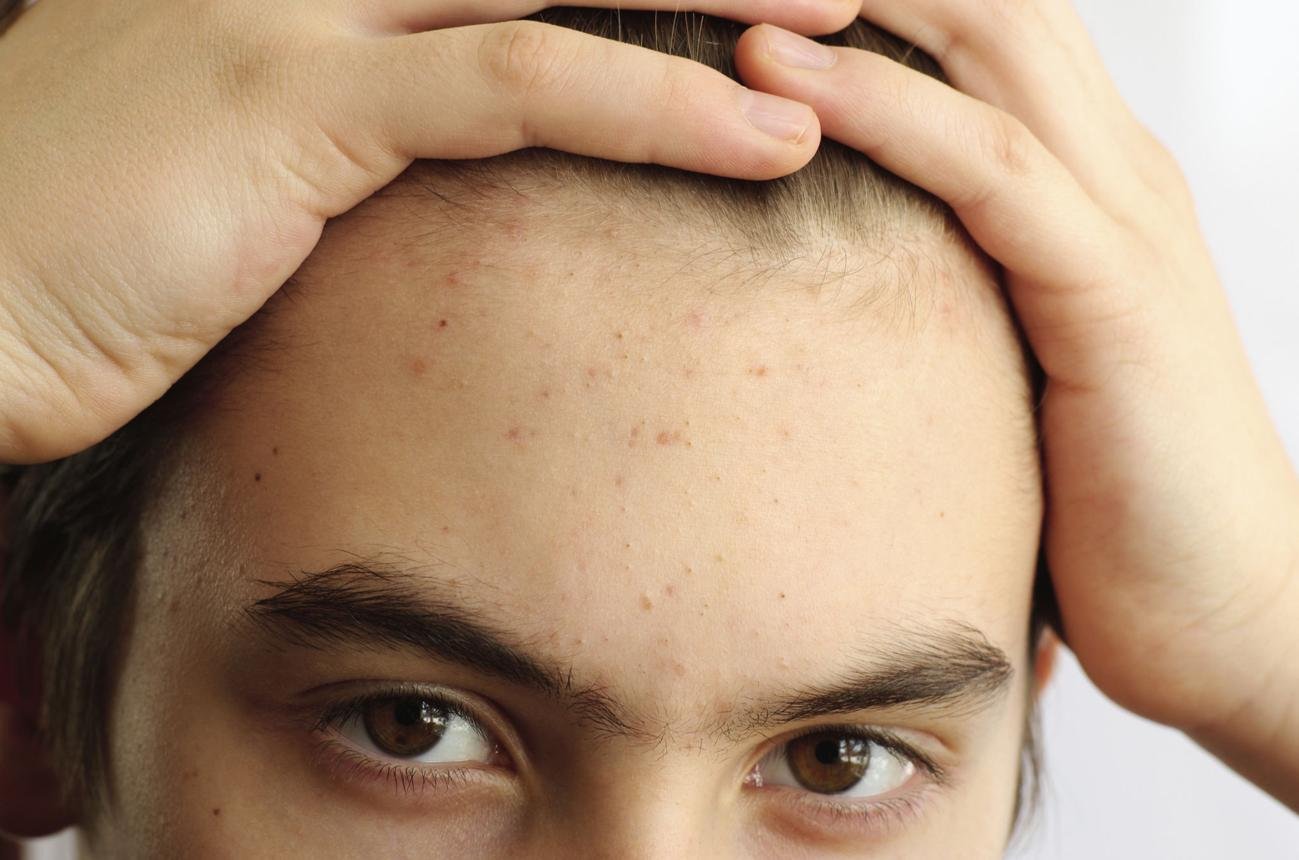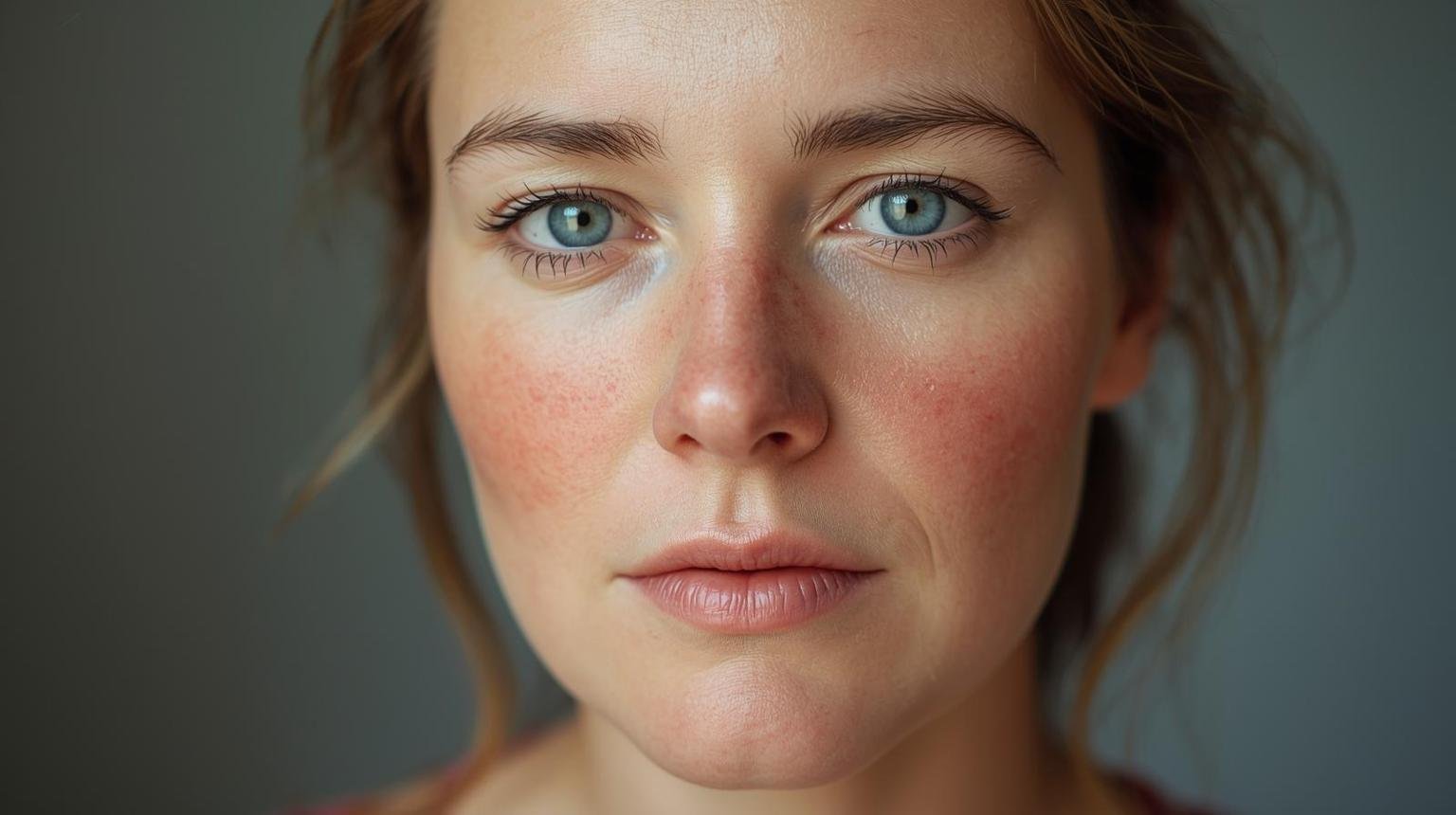
People want a tan. That’s not changing. But the way most people pursue it lying in direct sun with little or no protection, or using tanning beds carries a well-documented long-term cost: accelerated skin aging, hyperpigmentation, and elevated skin cancer risk.
“Tanning safely” means achieving the bronze result you want with the least possible UV damage. Here’s how. today blog based on How to Tan Safely? What dermatologists actually recommend?
The Reality: There Is No Fully Safe UV Tan
Before the tips — this needs to be clear. A tan from UV exposure is your skin’s damage response. Melanin production increases because UV has injured skin cells, and the tan is the visible result of that defensive reaction. Every dermatologist organization in the world agrees: there is no UV tan that doesn’t involve some level of skin damage.
“Tanning safely” in the context of UV exposure means minimizing that damage — not eliminating it. The only truly damage-free route to bronze skin is self-tanner (DHA-based sunless tanning), which produces color without UV involvement. If you’re open to that option, it’s the safest path to bronze skin by a wide margin. Kaiser Permanente — Safe Tanning Guide
If You Tan in the Sun: 7 Evidence-Based Rules
1. Always use SPF 30 or higher — broad-spectrum
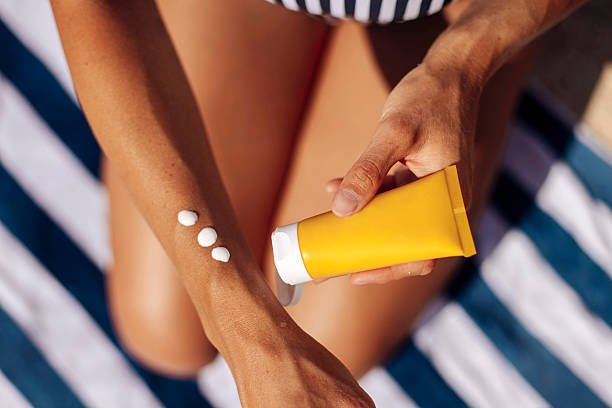
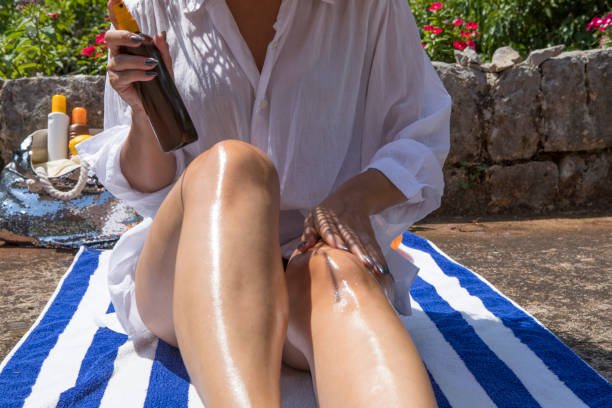
Broad-spectrum means protection against both UVA (aging rays) and UVB (burning rays). SPF 30 blocks approximately 97% of UVB. Reapply every 2 hours, and immediately after swimming or sweating. This is the single most impactful thing you can do to reduce cumulative UV damage while still spending time outdoors.
Also READ
Self Tanner for Oily Skin: Why Your Tan Fades Fast (And How to Fix It)
2. Avoid peak UV hours: 10am–4pm
UV intensity is highest in the middle of the day. Tanning in the early morning (before 10am) or late afternoon (after 4pm) significantly reduces your UV dose per hour of sun exposure. You can still build color — it just happens more gradually.
3. Build your tan gradually — don’t try to rush it
Attempting to get a deep tan in a single long session means burning and then peeling, which removes the color you were trying to build. Shorter sessions over multiple days accumulate less per-session damage and produce more even, lasting color.
4. Never use a tanning bed
Tanning beds emit UVA at intensity levels 10–15x higher than sunlight. The melanoma risk increase from tanning bed use before age 35 is substantial — dermatology organizations are unambiguous on this. There is no scenario where a tanning bed is a safer alternative to sun exposure.
Also READ
Tanning Routine for Beginners: The Week-by-Week Guide to Your First Flawless Tan
5. Skip tanning oil — use SPF body lotion instead
Tanning oil reduces the skin’s natural UV reflectance, increasing the UV dose reaching your skin per hour. Use a moisturizing SPF 30 body lotion instead — you get the hydrated, glowing skin aesthetic without the UV amplification.
6. Protect the highest-risk areas
Face, neck, décolletage, and the backs of hands age faster than the body and are at higher skin cancer risk. Apply SPF 50+ to these areas and reapply more frequently. These areas can be covered with a hat or UPF clothing while you tan the rest of your body.
7. Hydrate your skin before and after
UV-damaged skin dehydrates faster. Applying a good body moisturizer before sun exposure (not instead of sunscreen — in addition to it) and after showering helps maintain skin barrier function and supports more even, longer-lasting tan development.
The Safest Route: Combine Self-Tanner with Smart Sun Habits
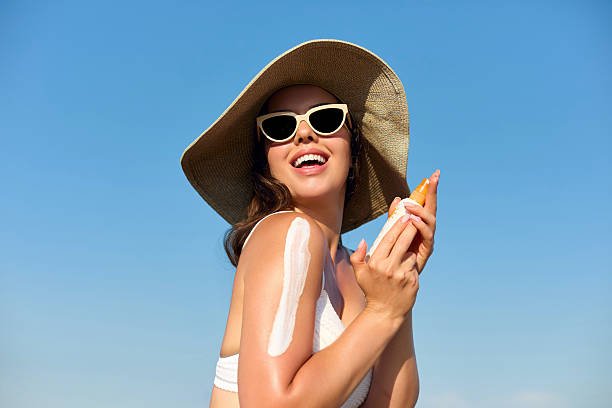
The most practical approach for people who want to look tan while also being outdoors in summer: use DHA self-tanner to maintain a base color that looks tan, then wear SPF 30+ when you’re outside. You get the visual effect of a deep tan with minimal UV accumulation.
Also READ
Why Does My Moisturizer Pill on My Face? (5 Causes + Real Fixes)
The self-tanner handles the color. The sunscreen handles the outdoor protection. The two don’t interfere with each other — self-tanner color is already developed and fully set before you go outdoors.
FAQ: How to Tan Safely
Can I still get a tan if I wear SPF 30?
Yes. SPF 30 blocks approximately 97% of UVB, but you’re still exposed to some UV — enough to gradually build melanin over repeated outdoor sessions. The tan develops more slowly, which is actually a sign of less damage per session.
What’s the safest time of day to tan outside?
Before 10am and after 4pm, when UV index is lowest. Early morning sun provides the least UV intensity while still offering some color-building potential.
Does self-tanner give the same color as a sun tan?
Modern DHA self-tanners produce a color that looks very similar to a UV tan when applied correctly. The main visible difference with older formulas was an orange undertone; current formulations with erythrulose produce more natural brown tones that are difficult to distinguish from a real tan.
Is SPF in foundation or BB cream enough for tanning days?
No. Foundation SPF is applied too thinly to deliver the stated protection. For outdoor sun exposure, use a dedicated SPF product applied as a separate step.
How do I avoid tan lines when tanning outside?
Rotate your position every 20–30 minutes to expose all skin areas more evenly. Apply self-tanner to any areas that are consistently covered by clothing or straps to match the surrounding tan.
Bottom Line
Safe tanning in the UV sense means minimizing damage — not eliminating it. The practical approach: SPF 30 or higher every session, avoid peak UV hours, never use tanning beds, and protect high-risk areas aggressively. For the safest possible route to bronze skin, DHA self-tanner plus SPF outdoor habits is the combination dermatologists consistently point to.
Disclaimer: This content is for informational purposes only and does not constitute medical or dermatological advice.