I spent months in a walk-in cold room making vinaigrettes by the gallon before I ever plated a proper salad for a paying guest. It taught me something most home cooks never get told: the greens are never the star. The dressing is. Get that one component right, and even plain lettuce turns into something people fight over at the table.
If you’ve ever wondered why a salad at a good restaurant tastes completely different from the same vegetables at home, the answer almost never lives in the produce aisle. It lives in a small jar of homemade salad dressing built the right way, with the right ratio, and a little patience.
The One Ratio Every Dressing Is Built On
Forget memorizing dozens of recipes. Nearly every classic dressing follows the same backbone: three parts fat to one part acid, plus something to hold it all together. Once this ratio is in your hands, you can build a dressing from whatever is sitting in your kitchen tonight, without ever opening a recipe card again.
- Fat: olive oil, avocado oil, or a neutral oil for milder flavors.
- Acid: vinegar, citrus juice, or a splash of both for extra brightness.
- Emulsifier: Dijon mustard, a small spoon of honey, or an egg yolk to keep everything from separating.
Also Read
Food Temperature Danger Zone Explained 2026
Once you understand why each part exists fat for richness, acid for balance, emulsifier for texture — you stop following recipes and start building dressings by instinct, the same way professional cooks do on a line.

Why Bottled Dressing Can Never Compete
Store-bought dressing is engineered to survive months on a shelf, which means it leans on stabilizers, added sugar, and preservatives instead of flavor. Homemade dressing has the opposite goal: it’s meant to be used within a week, so every ingredient can focus purely on taste. That’s the entire secret freshness over shelf life, every single time.
There’s also a cost angle most people never consider. A bottle of dressing from the store often costs more per serving than making the same amount at home from pantry staples you likely already own.
Also Read
5 Low Calorie Meal Prep Lunches This Week
Five Restaurant-Style Dressings You Can Build Tonight
1. Classic Lemon-Dijon Vinaigrette
Whisk lemon juice, a small spoon of Dijon, a pinch of salt, and slowly stream in olive oil while whisking constantly. This is the dressing I reach for on almost any green salad — it’s bright enough to wake up delicate leaves without overpowering them, and it comes together in under three minutes.

2. Creamy Herb Ranch
Combine Greek yogurt or mayonnaise with buttermilk, chopped dill, chives, garlic powder, and a squeeze of lemon. Let it rest in the fridge for twenty minutes before serving — the herbs need that time to actually flavor the base, and skipping this step is the most common reason homemade ranch tastes flat.
3. Balsamic Honey Mustard
Balsamic vinegar, a spoon of honey, wholegrain mustard, and olive oil whisked together. This one pulls double duty as a marinade for grilled chicken, so make extra and keep it on hand for both jobs.
Also Read
Does Tanning Oil Damage Skin? What Dermatologists Actually Say
4. Sesame Ginger Dressing
Rice vinegar, soy sauce, grated ginger, a touch of sesame oil, and a spoon of honey. Perfect over shredded cabbage or an Asian-style noodle salad, and it keeps its punch even after a few days in the fridge.
5. Tahini Lemon Dressing
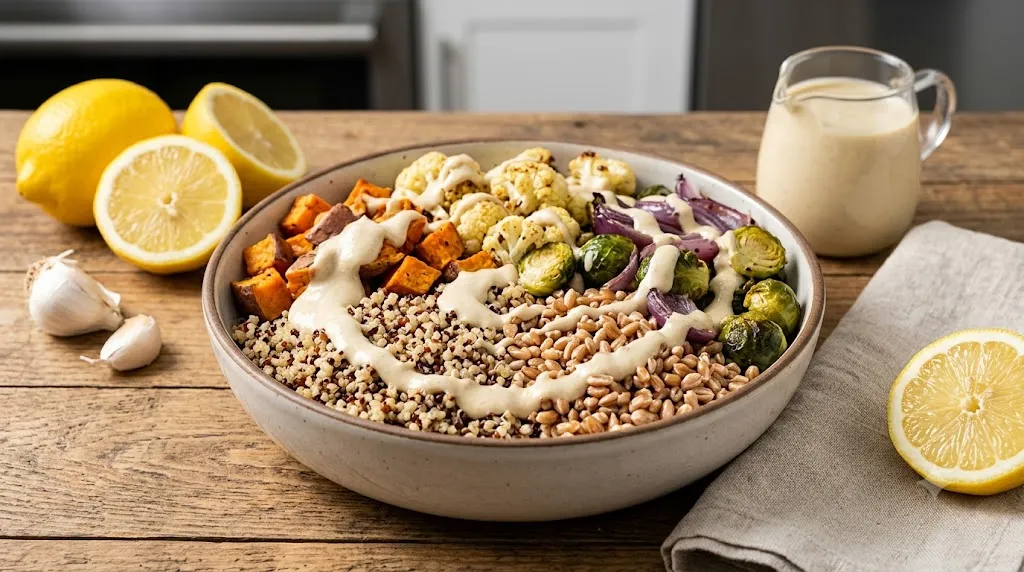
Tahini thinned with warm water, lemon juice, garlic, and a pinch of salt. Dairy-free, nutty, and thick enough to coat roasted vegetables beautifully — this is the dressing I use most often for grain bowls.
The Chef Techniques That Actually Make a Difference
- Salt early, taste often. Most homemade dressings taste flat simply because they’re under-salted — season, taste, adjust, repeat until it’s right.
- Whisk in the oil slowly. Dumping it all in at once is the number one reason dressings separate instead of turning glossy and smooth.
- Let creamy dressings rest. Ranch and similar dressings improve dramatically after twenty to thirty minutes in the fridge as the flavors meld together.
- Dry your greens completely. Wet lettuce dilutes even a perfect dressing and leaves it pooling at the bottom of the bowl instead of clinging to every leaf.
- Dress at the very last minute. Nobody enjoys limp, soggy leaves — toss the salad right before serving, not twenty minutes ahead.
Building Your Own Signature Dressing
Once the base ratio feels natural, start layering in extras: a spoon of miso for umami depth, fresh herbs blended straight into the dressing instead of chopped on top, or a small amount of roasted garlic for sweetness. This is exactly how professional kitchens develop their own house dressing — not from a secret recipe, but from small, deliberate adjustments to the same reliable formula.
How Long Homemade Dressing Actually Lasts
Vinaigrettes without dairy keep for about a week in a sealed jar in the fridge. Creamy, dairy-based dressings are best used within five to seven days. Always give your dressing a quick smell and shake before using — separation is normal and simply needs a good shake, but sourness or an off smell means it’s time to make a fresh batch.
Frequently Asked Questions
Why does my dressing separate in the fridge? This is completely normal for oil-based dressings. A quick shake before serving brings it right back together.
Can I make a big batch and freeze it? Vinaigrettes generally don’t freeze well because the emulsion breaks down permanently. It’s better to make smaller batches more often.
What’s the easiest dressing for a beginner? Start with the classic lemon-Dijon vinaigrette. It uses the fewest ingredients and teaches you the whisking technique you’ll use for every other dressing.
Final Thoughts
You don’t need a culinary degree to make a dressing that tastes like it came from a restaurant kitchen. You need one ratio, five minutes, and the willingness to taste as you go. Once you make your first batch from scratch, it becomes very hard to go back to the bottle.