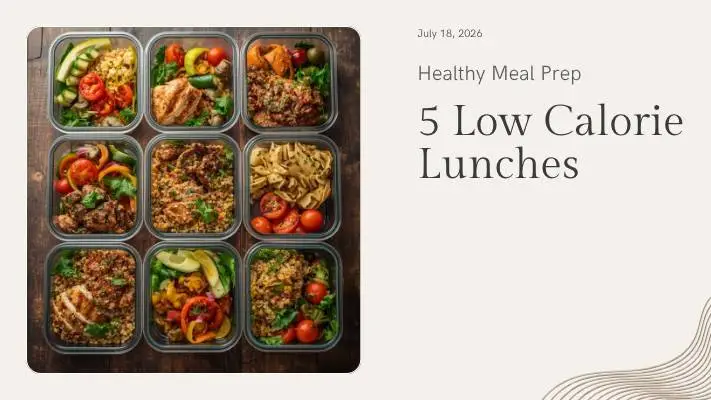
Every busy cook I’ve ever trained has asked me the same question at some point: “How do I stop buying lunch every single day?” The answer isn’t willpower. It’s a system you build once on a Sunday that carries you through five weekday lunches without a single extra decision standing between you and your next meal.
This is exactly how I approach low calorie meal prep lunches not as a strict diet plan, but as a repeatable formula that keeps you full, keeps your grocery bill down, and keeps your afternoons from crashing into a 3 p.m. slump.
The Formula Behind Every Great Meal Prep Lunch
Instead of memorizing recipes, build every lunch around the same four components. Once this becomes automatic, you’ll never run out of ideas, and you’ll never need to search for a new recipe just to fill a container.
- A lean protein — chicken breast, shrimp, tofu, lentils, or canned tuna.
- A fiber-rich carb — quinoa, brown rice, or roasted sweet potato, kept to a modest portion.
- Non-starchy vegetables — the bulk of the plate, roasted, steamed, or raw.
- A bold, low-calorie flavor boost — citrus, herbs, chili, or a light vinaigrette instead of a heavy sauce.
Once you internalize this formula, meal prep stops being a chore of following instructions and becomes a simple act of filling four boxes in whatever combination sounds good that week.
Five Lunches Worth Prepping This Week
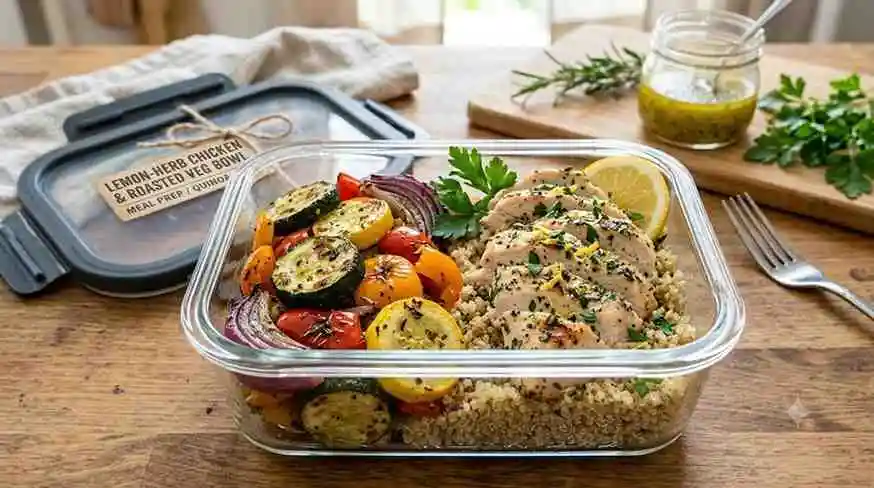
1. Lemon-Herb Chicken and Roasted Veg Bowls
Marinate chicken breast in lemon juice, garlic, and oregano, then bake alongside a tray of zucchini, peppers, and red onion. Portion over a small scoop of quinoa. This one reheats beautifully and doesn’t dry out, which makes it my go-to recommendation for anyone new to meal prep.
2. Mason Jar Greek Salad
Layer dressing at the bottom, then cucumber, cherry tomatoes, chickpeas, feta, and grilled chicken, finishing with greens on top. Shake it out onto a plate at lunchtime and it looks like it was made fresh that morning, even on day four.
Also Read
High Protein Meal Prep Like a Professional Chef
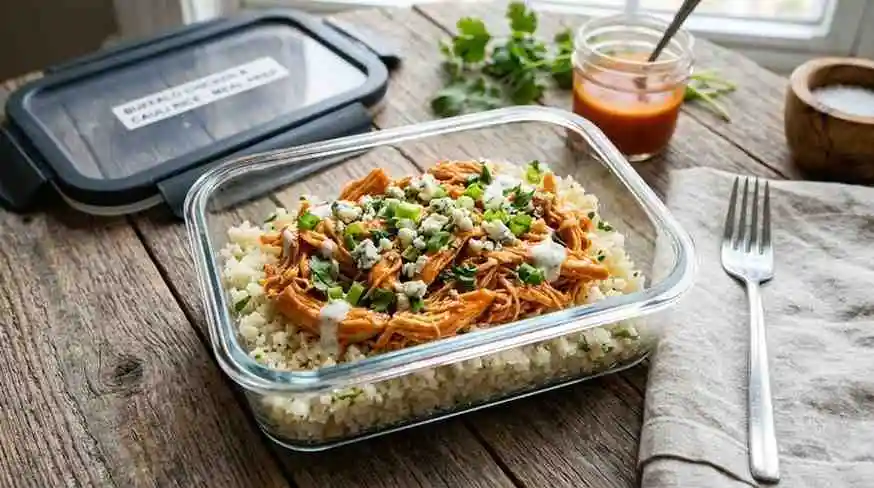
3. Buffalo Chicken and Cauliflower Rice
Shredded chicken tossed in a light buffalo sauce over sautéed cauliflower rice. It carries big flavor without the calorie weight of a heavier grain base, and it’s an easy way to satisfy a craving for something spicy without derailing your week.
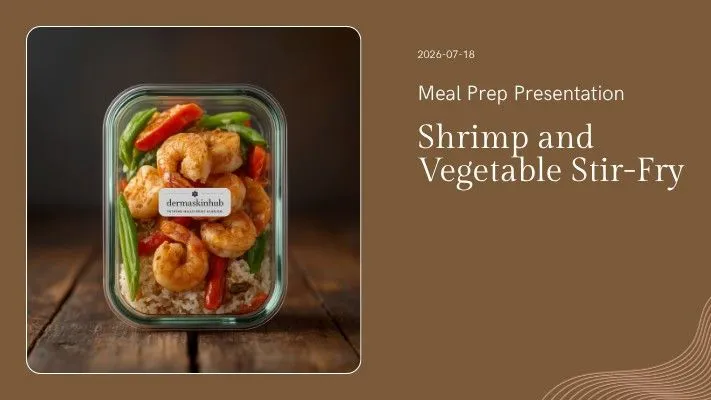
4. Shrimp and Vegetable Stir-Fry
Quick-sautéed shrimp with garlic, ginger, and a splash of soy sauce, tossed with snap peas and bell peppers over a small portion of brown rice. Shrimp cooks in minutes, which makes this the fastest option on the list for a Sunday prep session.
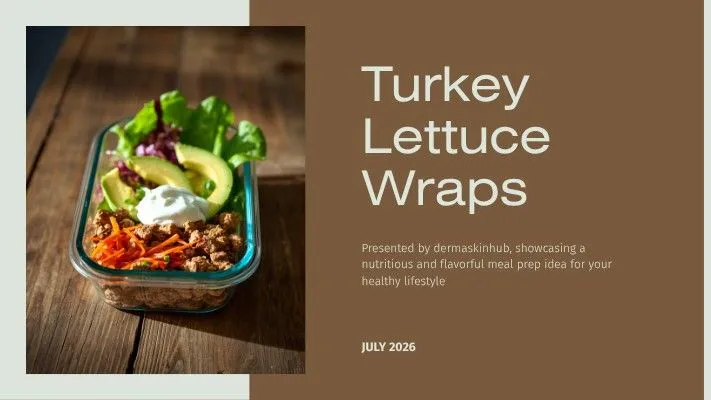
5. Turkey Lettuce Wrap Bowls
Ground turkey seasoned with cumin and chili, served over shredded lettuce with avocado and a spoon of Greek yogurt instead of sour cream. It’s light, satisfying, and easy to dress up with whatever fresh herbs you have on hand.
Why Protein Is the Real Key to Staying Full
Protein takes more energy for your body to digest than carbs or fat, and it slows down how quickly your stomach empties. That’s the practical reason a high-protein lunch keeps you satisfied until dinner instead of leaving you snacking by mid-afternoon. Aim for a solid portion of protein at the center of every container, not an afterthought pushed to the side of the plate.
Most nutrition guidance points toward roughly 25 grams of protein or more per lunch as the threshold where satiety really kicks in. You don’t need to weigh every gram — just make sure protein is the first thing you portion into the container, not the last.
Batch-Cooking Building Blocks Instead of Whole Meals
If prepping five complete meals feels overwhelming, prep components instead. Grill a few chicken breasts, roast one large tray of mixed vegetables, and cook a single pot of grains. Mix and match them differently each day so lunch never feels repetitive, even though the actual prep work only happened once, on one afternoon.
This is the same approach professional kitchens use before service — proteins, starches, and vegetables prepped separately, then combined fresh into different dishes as orders come in. Applying that same logic to your own kitchen turns one hour of cooking into an entire week of variety.
Storage Rules That Keep Lunches Safe All Week
- Cool cooked food within two hours before sealing it in the fridge.
- Use shallow containers so food chills evenly and quickly instead of staying warm in the center.
- Keep prepped lunches for three to four days maximum; freeze extra portions instead of pushing past that window.
- Reheat to a proper internal temperature, not just “warm,” especially for chicken and other poultry.
- Keep sauces and dressings in separate small containers so vegetables and greens don’t go soggy by day three.
Making It Sustainable Long-Term
The biggest reason people quit meal prepping isn’t lack of time — it’s boredom. Rotate your protein choice weekly, change your sauce even when the base ingredients stay the same, and swap one vegetable for another simply because it’s in season. A system that changes slightly every week is one you’ll actually stick with for months, not just for one ambitious Sunday.
Also Read
Why Your Skincare Is Not Working: #1 Mistake Dermatologists See Every Day
Frequently Asked Questions
How many lunches can I realistically prep in one session? Most people comfortably prep four to five lunches in about ninety minutes once the routine becomes familiar.
Do these lunches actually taste good reheated? Yes, as long as sauces are added fresh and proteins aren’t overcooked during the initial prep — slightly undercooking on purpose helps them hold up better through reheating.
Is low calorie the same as low satisfaction? Not when protein and bold flavor are prioritized — the formula in this guide is built specifically to avoid that trap.
Final Thoughts
Low calorie doesn’t have to mean boring, and meal prep doesn’t have to mean five identical containers of chicken and broccoli. Rotate your proteins, change your sauces, and swap your vegetables, and one Sunday afternoon of cooking turns into a full week of lunches you actually look forward to opening.