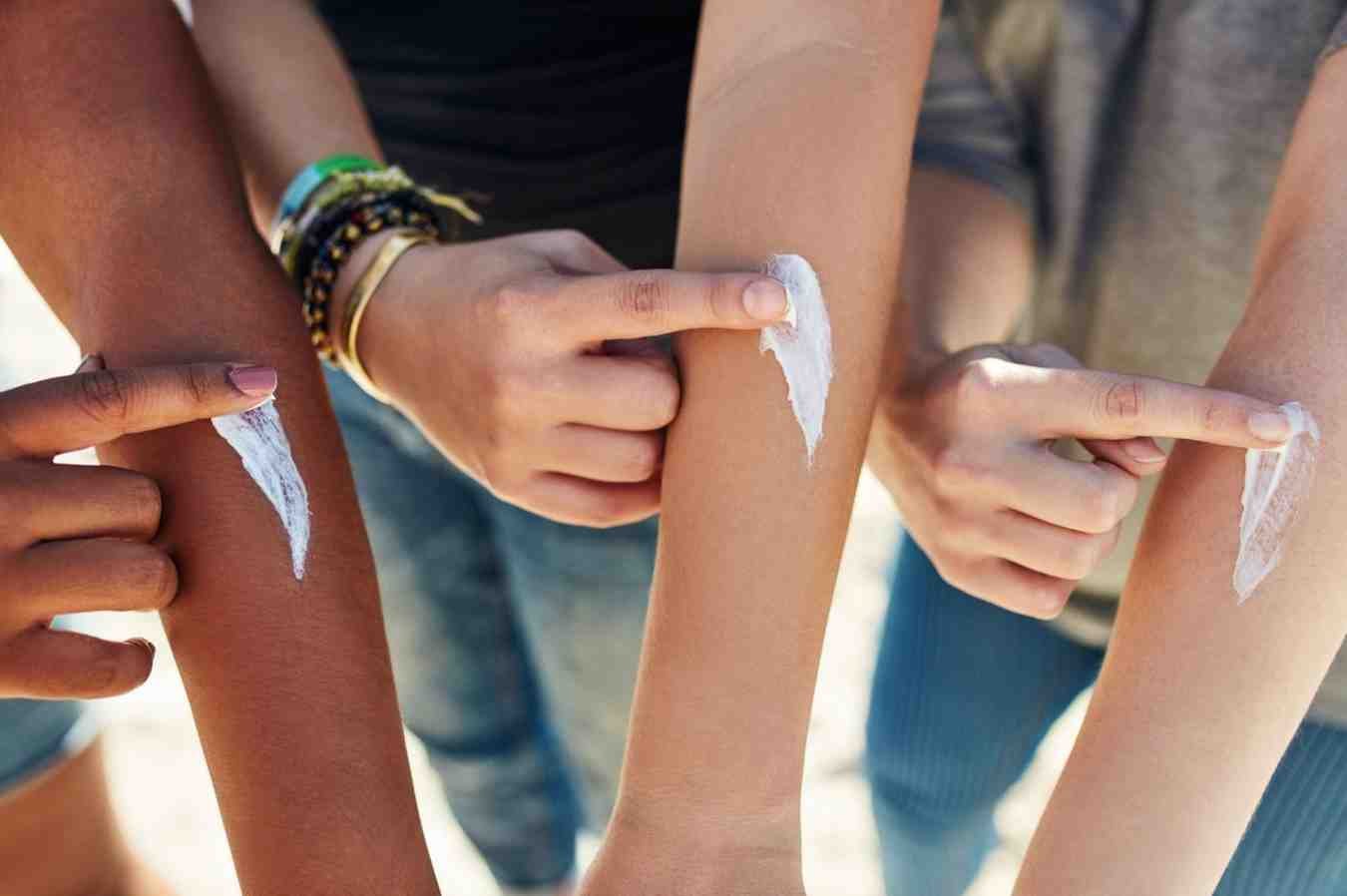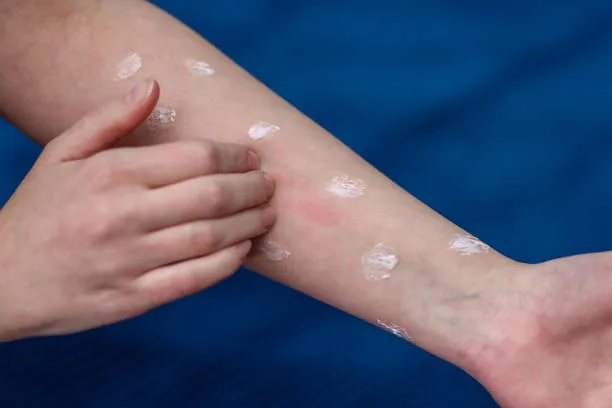
When it comes to Prevent Recurring Sunburns skin, dermatologists often recommend a combination of topical creams and ointments, along with some simple self-care habits.
The first step in treating sunburn is to apply cool compresses to the affected area. This can help reduce heat and provide quick comfort.
What Are the Best Dermatologist-Approved Treatments for Sunburn?
Topical creams or ointments rich in aloe vera, vitamin E, and hyaluronic acid are also highly effective in soothing sunburned skin. which can your help calm redness and irritation.
Staying hydrated by drinking plenty of water is crucial for sunburn relief. Dehydration can exacerbate the symptoms of sunburn, making it even more uncomfortable to tolerate.
Also Read
Why Your Skincare Is Not Working: #1 Mistake Dermatologists See Every Day
While topical treatments can provide some relief, they’re not a substitute for prevention. Using broad-spectrum sunscreen with at least SPF 30 and reapplying every two hours or after swimming or sweating is still the most effective way to prevent sunburn in the long run.
Effective Points Sunburn Relief Method: Cooling Down Your Skin
Cooling down sunburned skin involves using remedies that can rapidly reduce your heat and alleviate discomfort.
- Take a cool bath or shower to lower your body temperature quickly. Add some colloidal oatmeal or baking soda to help soothe the skin.
- You can also try wetting a towel, wringing it out, and applying it to sunburned areas for relief.
This method helps reduce heat without stripping your skin of its natural oils.
Some people swear by the benefits of cooling gels and sprays containing aloe vera or tea tree oil. While these products can provide temporary relief from heat and discomfort, their effectiveness may vary depending on individual skin types. Be sure to follow product instructions carefully and do a patch test before using any new skincare item.
Also Read
Best Sunscreen for Dark Skin: No White Cast, Actual Protection
If you experience severe redness or swelling, consider consulting a dermatologist for further advice on managing sunburn symptoms.

Natural Remedies for Sunburned Skin
Aloe vera has long been touted as a natural remedy for sunburned skin, and its soothing properties are backed by dermatologists.
Certain essential oils, such as lavender and chamomile, may also provide temporary pain and itching relief when applied topically – but be cautious not to mix them with other products that might irritate your skin further.
- Aloe vera gel can be applied directly to sunburned areas, cooled in the fridge for extra soothing power.
- Cool compresses soaked in a mixture of water and aloe vera or coconut oil may also provide quick relief.
Another popular natural ingredient for sunburn relief is coconut oil, which can help moisturize and protect dry, damaged skin.
Remember that while these ingredients can help alleviate symptoms, they’re not a substitute for proper sun protection and after-sun care – always prioritize applying sunscreen with at least SPF 30 before spending time outdoors and seek medical attention if your burn is severe or worsens over time.
How to Avoid Getting Sunburned in the Future
Understanding sun protection habits: Setting yourself up for long-term skin health. By incorporating a few simple prevention measures into your daily routine, you can reduce of getting burned in the future.
- First and foremost, it’s essential to understand that sun protection is not just about applying sunscreen when you’re outdoors – although that’s a crucial part of the equation!
- Your skin is exposed to UV rays even on cloudy days, through car windows, and during peak hours between 10am and 4pm. To truly protect your skin, you need to adopt a comprehensive approach.
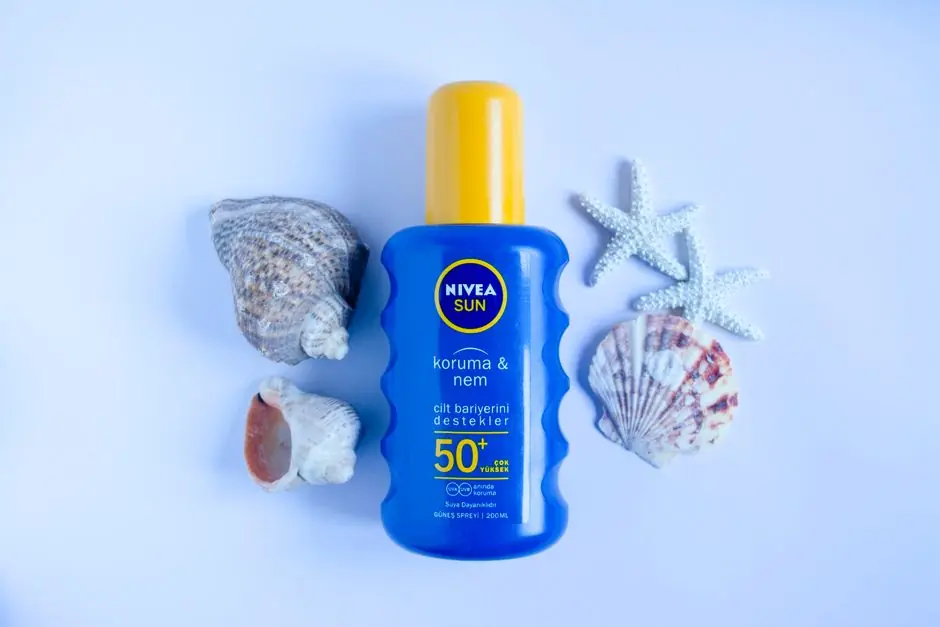
Start by wearing protective clothing, including a hat with a wide brim, sunglasses, and long-sleeved shirts made from moisture-wicking fabrics that allow for breathability. Next, reapply broad-spectrum sunscreen with at least SPF 30 every two hours – or sooner if you’ve been swimming or sweating excessively.

Creating an After-Sun Care Routine for Optimal Skin Recovery
A well-planned after-sun care routine can make all the difference in accelerating your skin’s recovery from sunburn. To create a daily routine that promotes optimal healing and prevention, consider incorporating these dermatologist-approved products and habits.
First, establish a consistent moisturizing schedule using products rich in hyaluronic acid, ceramides, or niacinamide, which have been shown to help repair the skin’s barrier function.
Apply a gentle, fragrance-free lotion or cream at least twice daily, making sure to cover all affected areas.
Exfoliate once or twice a week with a physical exfoliant containing alpha-hydroxy acids (AHAs) or beta-hydroxy acids (BHAs), which can help remove dead skin cells and promote cell turnover.
Be gentle when washing your sunburned skin, avoiding harsh scrubs or loofahs.
Also Read
What You Use Physical or Chemical Sunscreen?
Protect your skin from further damage by applying a broad-spectrum sunscreen with an SPF of at least 30 daily, even on cloudy days. Reapply every two hours or immediately after swimming or sweating.

how to prevent recurring sunburns?
When it comes to sun protection, prevention is often better than cure – and that’s where lifestyle changes come in.
Making a few adjustments to your daily routine can make all the difference in preventing recurring sunburns. One of the simplest ways to start is by incorporating protective clothing into your wardrobe. Look for clothes with a UPF (Ultraviolet Protection Factor) rating, which measures how well a fabric blocks UV radiation.
Other lifestyle changes worth considering include adjusting your sunscreen habits. Choose a broad-spectrum sunscreen with an SPF of at least 30 and apply it regularly throughout the day – even on cloudy days. Don’t forget to reapply every two hours or immediately after swimming or sweating.
Additionally, be mindful of peak sun hours (usually between 10am and 4pm) and plan your outdoor activities accordingly. Seek shade when possible, and don’t rely solely on sunscreen for protection – a combination of both is key.
THANK YOU FOR READING
While it may take some time to get into a new routine, the long-term benefits are well worth it: fewer sunburns, reduced risk of skin cancer, and a healthier, happier you.

Frequently Asked Questions
What can I use on a severe sunburn?
For severe sunburns, dermatologists recommend using topical creams or gels containing hydrocortisone (1%) to reduce inflammation and itching. You can also try taking cool baths with baking soda to help soothe the skin.
How long does it take for sunburned skin to heal completely?
Sunburned skin usually takes 7-14 days to fully recover, depending on its severity. The peeling process typically begins within 3-5 days and can last up to a week.
Can I use moisturizer on sunburned skin?
Yes, using a fragrance-free, gentle moisturizer can help soothe sunburned skin. Look for products containing aloe vera or vitamin E, which have anti-inflammatory properties that can aid in healing.
Are there any foods that help with sunburn relief?
Yes, consuming foods rich in antioxidants like berries, green tea, and nuts may help alleviate sunburn symptoms. Omega-3 fatty acid-rich foods, such as salmon, can also aid in reducing inflammation.
Why do I keep getting sunburned despite using sunscreen?
You may be experiencing sunburn even with sunscreen use if you’re not reapplying it regularly (every 2 hours or after swimming/sweating), or if your skin has become tolerant to the SPF, requiring a higher concentration to protect against damage.