
When it comes to skin specially sensitive skin, sunscreen shopping can feel like a daunting task. But don’t worry, we’re here to break down the basics and guide you towards the best options.
What’s the Difference Between Chemical and Physical Sunscreens?
The main difference between sunscreens lies in their active ingredients: chemical or physical (also known as mineral) filters. Chemical sunscreens absorb UV rays, converting them into heat that’s released from the skin.
On the other hand, physical sunscreens create a physical barrier on the skin’s surface, deflecting UV radiation.
This is because:
- Chemical sunscreens often contain ingredients like oxybenzone and avobenzone, which may not agree with everyone’s skin.
- Physical sunscreens, on the other hand, rely on zinc oxide or titanium dioxide to protect against the sun’s rays – gentle and effective choices for even the most sensitive skin.
For sensitive skin, it’s generally recommended to opt for physical sunscreens, as they’re less likely to cause irritation or allergic reactions. Chemical sunscreens can sometimes be too harsh, especially if you have conditions like eczema or rosacea.

Ingredients to Avoid in Sunscreen for Sensitive Skin
Sunscreen ingredients can be just as troublesome to sensitive skin as they are helpful in protecting it from UV damage.
The good news is that there are some common culprits you should look out for when shopping for sunscreen for sensitive skin: oxybenzone and avobenzone, two chemicals commonly used in broad-spectrum sunscreens to absorb UVA rays. While they’re generally considered safe for most people, they can cause irritation, redness, or even allergic reactions in individuals with sensitive skin.
Other ingredients that may irritate sensitive skin include fragrances and dyes, which are added to some sunscreens for convenience but can be a major source of discomfort for those with delicate skin.
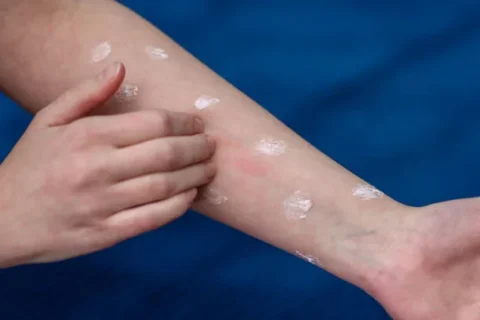
Always do a patch test before applying it liberally – even with natural ingredients, there’s still potential for irritation.
Best Sunscreens for Specific Skin Types, including Eczema and Rosacea
Sunscreen can be a nightmare to find if you have eczema – a skin condition that causes dryness, redness, and itchiness.
Eczema:
For individuals living with eczema, look for sunscreens labeled as ‘hypoallergenic‘ or ‘fragrance-free‘. These products are designed to minimize irritation and avoid common allergens. EltaMD’s UV Clear Broad-Spectrum SPF 46 is a popular choice among those with sensitive skin.
It’s fragrance-free, non-comedogenic (meaning it won’t clog pores), and provides excellent protection against UVA and UVB rays.
Rosacea:
Rosacea sufferers may want to consider physical sunscreens that contain zinc oxide or titanium dioxide. These ingredients create a physical barrier on the skin’s surface, rather than penetrating it like chemical active ingredients can. La Roche-Posay’s Anthelios Melt-In Sunscreen Milk is another great option for those with rosacea-prone skin – it’s lightweight, gentle, and won’t exacerbate redness.
Remember to always patch test a new sunscreen on a small area of skin before applying it liberally. This will help you identify any potential allergens or irritants unique to your skin type.

Understanding Broad-Spectrum Protection: Essential Ingredients in Sunscreen
When it comes to sunscreens, one key feature stands out from the rest: broad-spectrum protection. This means that a sunscreen protects against both UVA and UVB rays, which are responsible for premature aging and skin cancer.
Broad-spectrum protection is essential because UVA rays penetrate deeper into the skin, causing wrinkles, fine lines, and age spots, while UVB rays cause sunburn and play a key role in skin cancer.
Without broad-spectrum protection, you’re left vulnerable to these risks. Key ingredients that provide this level of protection include zinc oxide (a physical barrier that absorbs UV radiation) and avobenzone (a chemical absorber that neutralizes both UVA and UVB rays).
Look for a sunscreen with an SPF of 30 or higher, as this will provide adequate protection against UVB rays.
Reapplication and Moisturizing Properties of Sunscreens for Sensitive Skin
Reapplication and Moisturizing Properties of Sunscreens for Sensitive Skin
Let’s talk about reapplying sunscreen: it’s not just a habit you get into – it’s crucial for protecting your sensitive skin from UV damage. The American Academy of Dermatology recommends reapplying every two hours, or immediately after swimming or sweating.
But here’s the thing: reapplying sunscreen can be drying to your skin, especially if you’re using a chemical-based formula that strips away natural moisture barriers.
Many sunscreens for sensitive skin also contain moisturizing ingredients like hyaluronic acid, aloe vera, or glycerin. These help to lock in moisture and soothe irritated skin, making reapplication a more pleasant experience.
Just remember that everyone’s skin is different – some people may find certain ingredients irritating, so it’s always a good idea to patch test before committing to a full application.

Real-Life Tips for Choosing the Right Sunscreen for Your Sensitive Skin Type
When it comes to selecting a sunscreen that won’t irritate your sensitive skin, you’ve got to consider more than just its SPF rating.
The first thing to think about is your skin type: do you have rosacea, eczema, or are you prone to allergic reactions? If so, look for sunscreens labeled as “fragrance-free” and “hypoallergenic,” which may be gentler on your skin. You should also check the ingredient list for known irritants like oxybenzone and octinoxate.
Another crucial factor is the level of protection you need: if you’re going to be outdoors for an extended period or have a history of sunburn, choose a broad-spectrum sunscreen with a high SPF (at least 30) that protects against both UVA and UVB rays. Be aware, however, that higher SPFs don’t always provide greater protection – it’s the combination of ingredients that matters most.
Finally, consider your personal preferences: do you prefer a lightweight, non-greasy formula or a stick sunscreen for hard-to-reach areas?
By taking these factors into account, you can find a sunscreen that not only protects your skin but also feels comfortable to use.
Frequently Asked Questions
Are chemical sunscreens safe for people with sensitive skin?
Chemical sunscreens can be irritating to some people, especially those with eczema or allergies. Look for products labeled ‘hypoallergenic’ or ‘fragrance-free’ and consider a patch test before using.
Can physical sunscreens still irritate my skin even if I have rosacea?
Yes, some people with rosacea may still experience irritation from physical sunscreens, especially those containing zinc oxide. Opt for a gentle, fragrance-free formula and apply a small amount to a discrete area before using.
What are the best natural ingredients to look for in a sunscreen for sensitive skin?
Look for products with soothing ingredients like aloe vera, green tea extract, or chamomile. These can help calm and moisturize the skin while providing protection from UV rays.
How often should I reapply sunscreen on my sensitive skin, and what’s the best way to do it?
Reapply every 2 hours or immediately after swimming or sweating. Gently pat a small amount onto the skin using your fingertips, avoiding rubbing or tugging.
Are there any specific moisturizing properties that I should look for in a sunscreen?
Opt for sunscreens with hyaluronic acid, ceramides, or niacinamide. These ingredients help lock in moisture and support the skin’s natural barrier function.

Galacticwincasino… Space themed games? Count me in! Had a blast there. You might too! Warp speed to galacticwincasino
Yo, galacticwinscasino is pretty similar to other one, just a different link. Another chance to launch into space, so get over to: galacticwinscasino
Mx52casino? I gave it a shot. It’s alright, not my favorite, but had decent options. Maybe you’ll like it. Head over to mx52casino