
Winter has a way of making your skin feel like it belongs to a different person. The same moisturizer that got you through September suddenly feels completely inadequate by December.
Your skin is flaky before you’ve even gotten dressed. The skin around your nose and mouth is starting to crack. And the more you try to fix it with products, the more irritated it seems to get.
This isn’t bad luck — it’s biology meeting physics. Understanding what’s actually happening in winter helps you address it directly rather than just throwing more product at the problem. Winter Skincare Routine for Dry Skin is simple than your thought.
Why Winter Destroys Your Dry Skin?
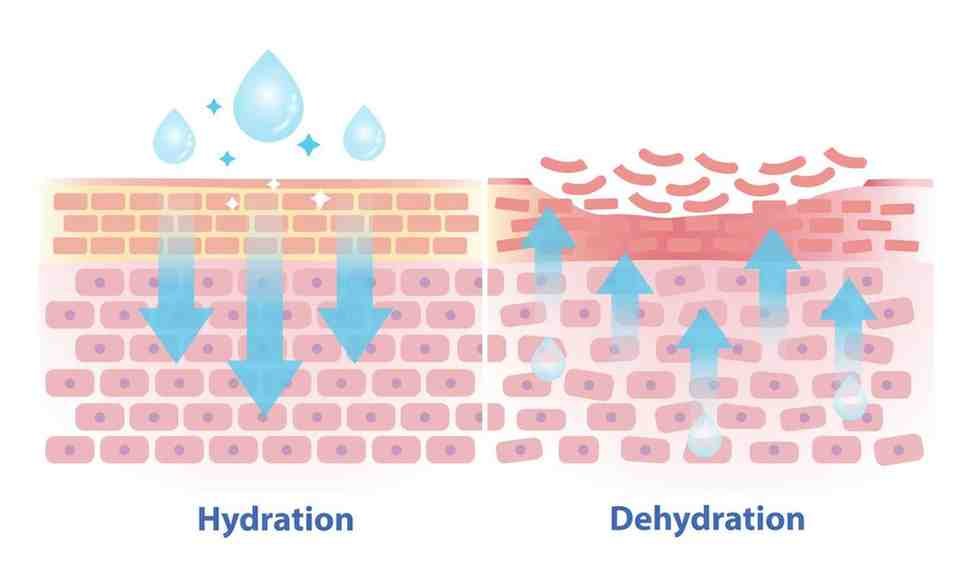
Your skin maintains moisture through a balance of water retention and In winter several factors attack this balance simultaneously:
- Cold air holds less moisture than warm air. Low outdoor humidity means the air itself is constantly drawing moisture away from your skin’s surface. The lower the humidity, the faster transepidermal water loss (TEWL) occurs.
- Indoor heating makes this dramatically worse. Central heating systems reduce indoor humidity significantly — some studies show heated indoor environments can drop to 20-30% relative humidity in winter, compared to a comfortable 40-60% in summer.
- Hot showers The hotter the water and the longer the shower, the more barrier lipids are removed. Your skin’s ability to hold onto moisture decreases each time.
- Wind creates a physical abrasive effect on the skin surface and dramatically accelerates moisture evaporation.
- The barrier is already under pressure. If you have naturally dry skin, your ceramide production is already lower than normal.
Winter Routine Adjustments
Also Read
How to Get Bronze Skin Without Sun: 5 Methods That Actually Work
Change Your Cleanser
If you’re using a gel or foaming cleanser year-round, winter is when you need to switch to a cream or oil cleanser — even if your skin is combination. Look for formulas with “hydrating” or “nourishing” on the label, ideally containing glycerin or ceramides.
If you love your current cleanser and don’t want to give it up completely, reduce your morning cleanse to just rinsing with cool water.
Add a Hydrating Serum Before Your Moisturizer
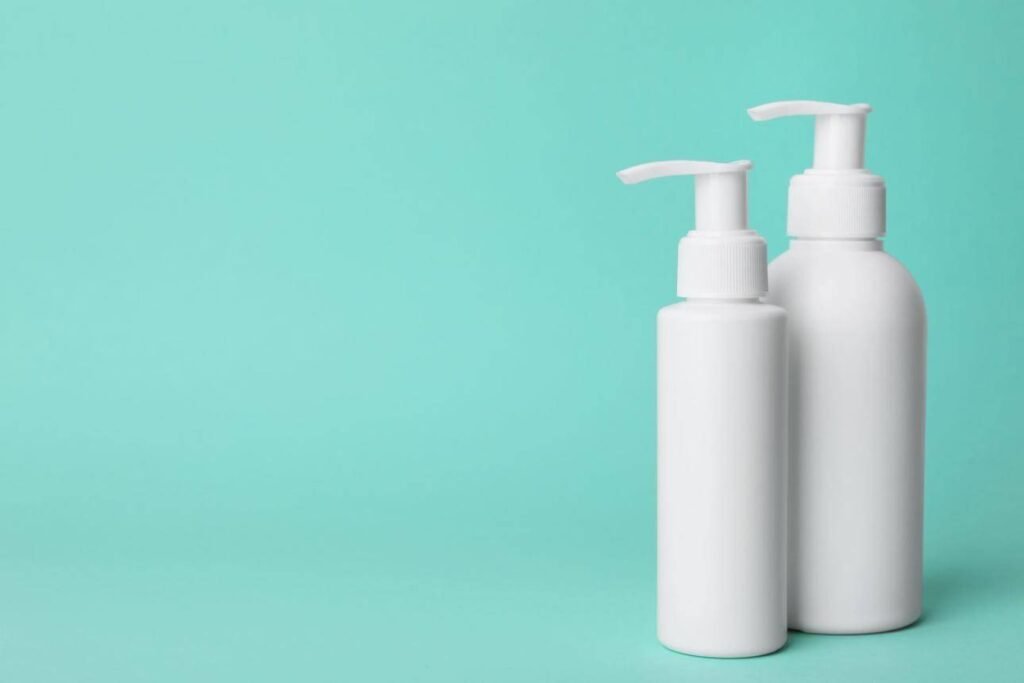
After cleansing, apply a hydrating serum while your skin is still slightly damp:
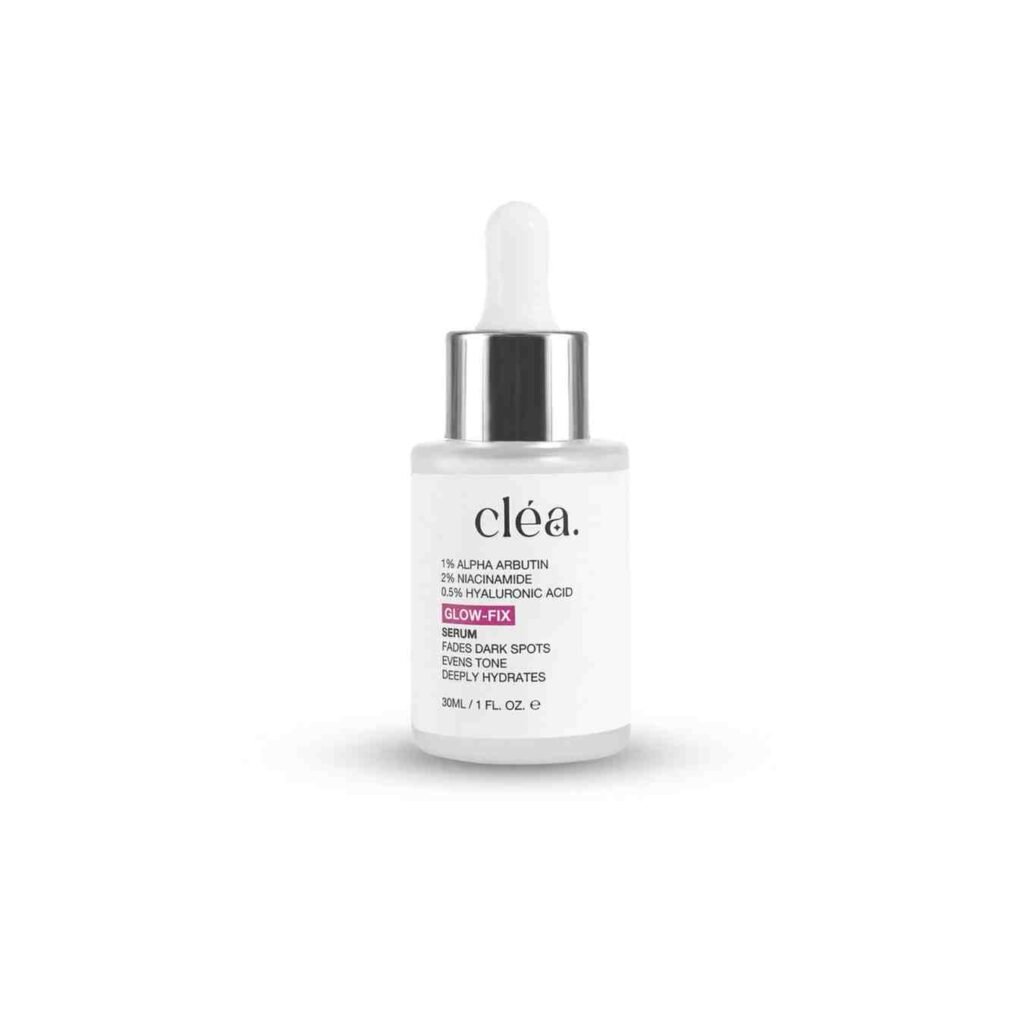
Hyaluronic acid serum: In dry winter conditions, a lower-molecular-weight hyaluronic acid is generally better — it penetrates slightly deeper rather than just sitting on the surface. Attracts water into the upper skin layers hyaluronic acid can pull moisture from deeper skin layers if nothing is sealing it in.
In dry winter conditions, a lower-molecular-weight hyaluronic acid is generally better — it penetrates slightly deeper rather than just sitting on the surface.
Panthenol (vitamin B5) serum: Excellent for dry, irritated skin. Panthenol is both a humectant and a film-former — it retains moisture and has soothing, anti-inflammatory properties. One of the best winter skin choices for dry and sensitive skin types.
Switch to a Richer Moisturizer
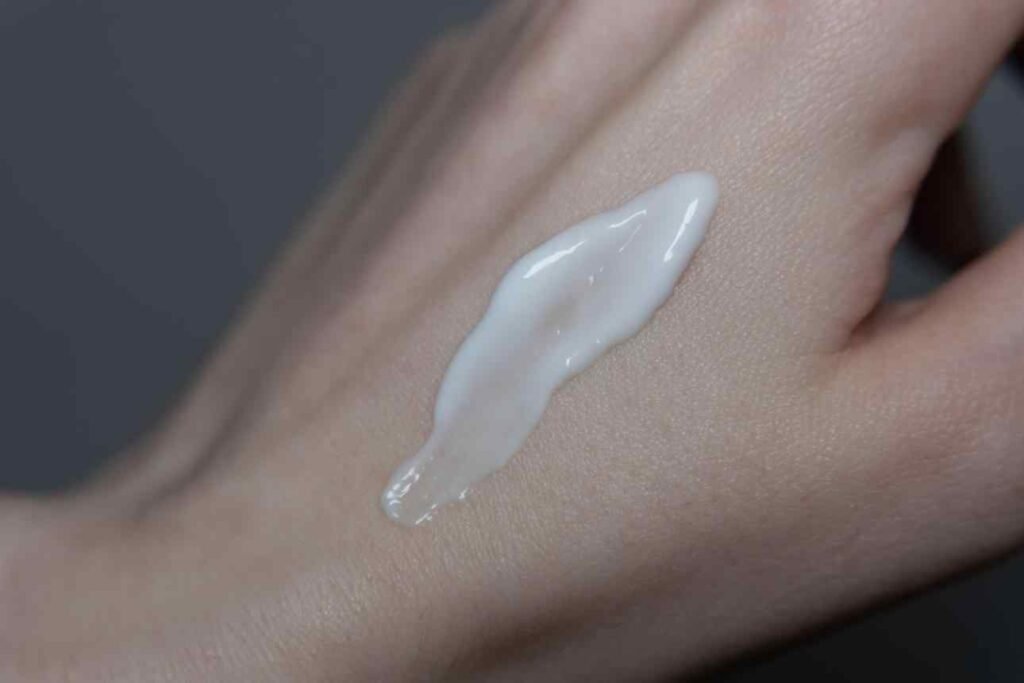
Your summer moisturizer is almost certainly not adequate for winter dry skin. The key upgrade is adding heavier occlusives — ingredients that create a physical seal over the skin surface to prevent moisture from escaping.
Look for: ceramide-rich formulas (Cerave Moisturizing Cream, Vanicream Moisturizing Skin Cream), petrolatum-containing creams for the driest areas (lips, around the nose, hands), shea butter-based creams for body areas, and products specifically called “barrier cream” or “intensive moisture.”
Also Read
Does Tanning Oil Damage Skin? What Dermatologists Actually Say
Application timing matters enormously in winter: apply moisturizer within 60 seconds of washing your face (the “wet skin” method), while skin is still slightly damp. This traps ambient moisture in the skin rather than letting it evaporate first.
Studies on eczema-prone skin — which faces similar challenges to very dry skin in winter — show significantly better hydration retention with this application method.
Add an Occlusive Layer at Night
Nighttime is your best opportunity for intensive barrier repair — you’re not going anywhere, you don’t need a non-greasy finish, and your skin is in repair mode. The “slugging” method (applying a thin layer of petrolatum as the final step in your evening routine) is genuinely effective for very dry winter skin. It doesn’t add moisture itself — it prevents the moisture from escaping overnight.
If petrolatum feels too heavy on the face, squalane oil is an excellent alternative — lightweight, non-comedogenic, and an excellent occlusive for facial skin. Apply it as the final step over your moisturizer.
Don’t Skip SPF in Winter
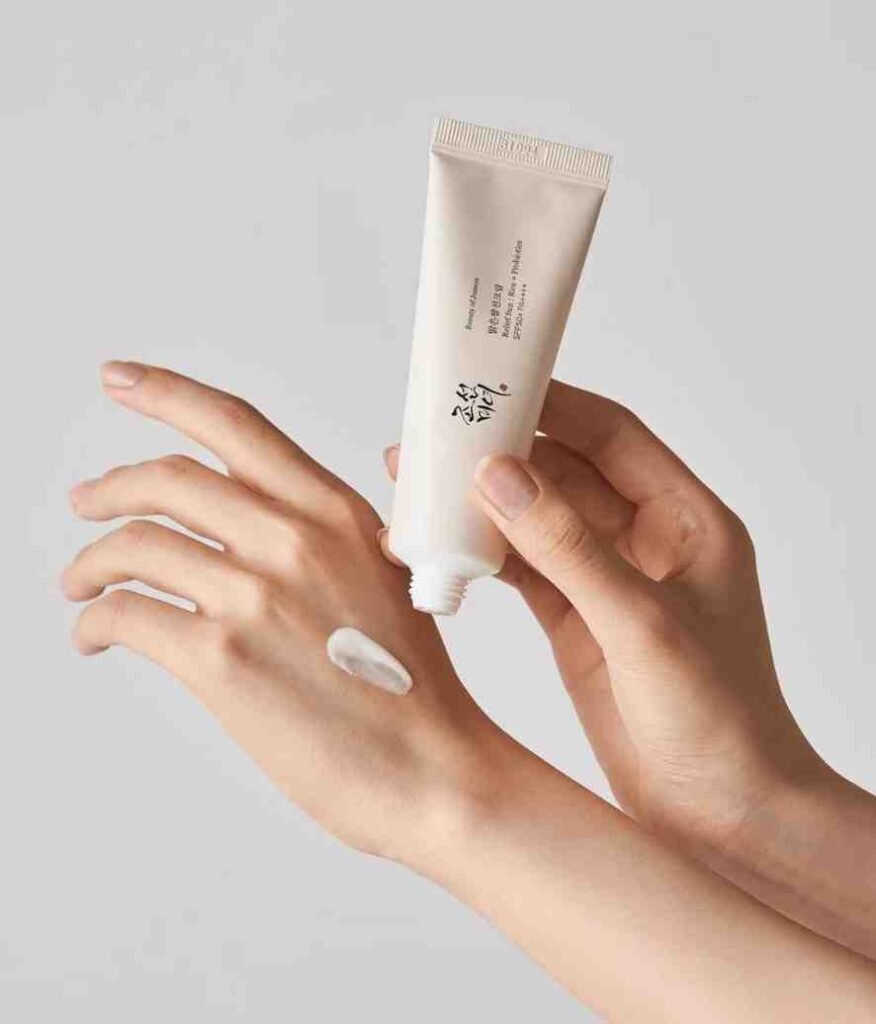
This is the most commonly dropped step in winter — and one of the most consequential omissions. UV radiation doesn’t take a winter break. UVA rays (the aging and pigmentation rays) penetrate cloud cover and glass. Snow reflects UV, increasing exposure. Winter SPF is non-negotiable.
For dry skin in winter, a moisturizing SPF hybrid (cream formula with SPF 30-50) is ideal — it serves double duty without requiring a separate moisturizer step in the morning.

Body Skin in Winter
Facial skincare gets most of the attention, but body skin often suffers more severely in winter — especially legs, arms, hands, and feet. The principles are the same: richer moisturizers, applied while slightly damp after showering, with particular attention to particularly dry areas like elbows, heels, and knuckles.
Urea (10-20%) is one of the most effective ingredients for chronically dry body skin — it softens hardened skin and dramatically improves texture on rough areas like elbows and heels. It’s available in affordable pharmacy formulations and significantly outperforms most “luxury” body lotions for dry skin relief.
Lifestyle Adjustments That Actually Help
Skincare alone can’t fully compensate for environmental conditions — these lifestyle adjustments significantly support your skin’s ability to maintain moisture in winter:
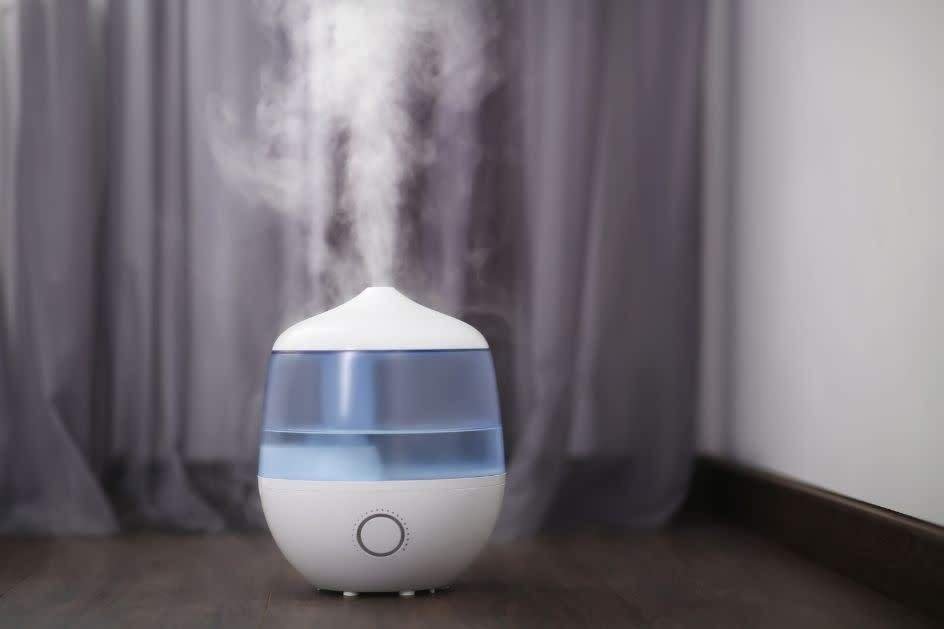
Humidifier: A cool-mist humidifier in the bedroom makes a meaningful difference in overnight skin hydration. Aim for 40-50% relative humidity. This supports your barrier’s ability to retain moisture during the longest stretch of uninterrupted time your skin has to repair itself.
Shorter, cooler showers: Limiting showers to 5-7 minutes and using lukewarm rather than hot water is one of the single most effective dry skin interventions. Blot (don’t rub) dry and immediately apply moisturizer.
Hydration from within: Adequate water intake supports overall cellular function including skin cell moisture content. Not a replacement for topical moisturization, but a meaningful support.
Omega-3 supplementation: Some evidence suggests omega-3 fatty acids (from fish oil or flaxseed) support the production of skin lipids that contribute to barrier function. Particularly relevant for people with very dry or eczema-prone skin.
For more on how your skin barrier works and how to rebuild it when damaged, our Damaged Skin Barrier guide covers the fundamentals in detail. For research on winter skin physiology, the American Academy of Dermatology has published guidance on eczema and barrier management that applies directly to winter dry skin care.
Frequently Asked Questions
Why does my skin get so dry in winter even when I moisturize?
Moisturizers work by retaining moisture, but if the barrier isn’t functioning well, moisture escapes faster than products can replace it. Switch to richer creams with ceramides, add an occlusive final step, and use a humidifier — address the moisture loss, not just the surface dryness.
What is the best moisturizer for very dry winter skin?
Ceramide-rich thick creams outperform lighter lotions for very dry skin. Petrolatum-containing formulas are the most effective occlusives. Apply within 60 seconds of cleansing for best results. Urea creams (10-20%) are particularly effective for chronically dry, rough patches.
Should I change my entire skincare routine in winter?
Not necessarily your entire routine — primarily your moisturizer and cleanser. If you’re using strong actives (retinol, AHAs) that are causing increased dryness or sensitivity in winter, reducing frequency temporarily makes sense. The core steps (cleanse, moisturize, SPF) stay consistent.
Is it normal for skin to peel in winter?
Some increased dryness and mild flaking is normal in winter for dry skin types. Significant peeling suggests barrier compromise — reduce any exfoliating actives temporarily, increase moisturization intensity, and give the barrier 2-4 weeks to recover before reintroducing actives.
Does cold weather cause acne?
Cold weather itself doesn’t cause acne, but the changes in routine it prompts — heavier products, potentially occlusive formulas, reduced face washing — can contribute to congestion in acne-prone skin. If you’re oily/acne-prone, choose non-comedogenic heavier moisturizers rather than the thickest formula available.