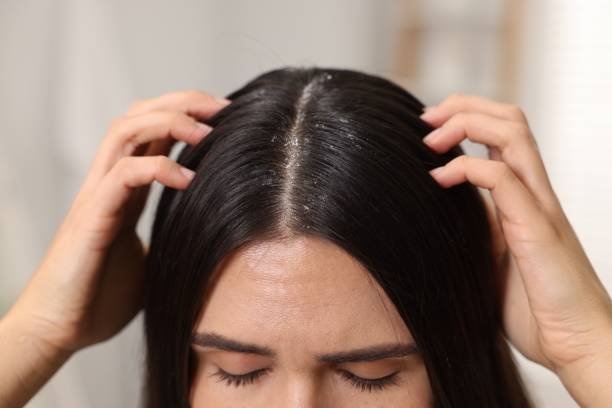
If you’ve been focusing intensely on the ends of your hair while completely ignoring the skin it grows from, you’ve had the approach backwards.
Your scalp is skin complex, sebum-producing, microbiome-inhabited skin — and its health directly determines the quality of the hair.
The Scalp Caring Routine conversation has finally caught up to the science in recent years, with dermatologists, trichologists, and the beauty industry all increasingly treating the scalp as the foundational element of healthy hair.
Here’s what that actually means in practice.
Why Scalp Health Matters for Hair Growth
Hair follicles are anchored in the dermis of the scalp surrounded by blood vessels, nerves, sebaceous glands, and immune cells.
When the scalp is chronically inflamed (from conditions like dandruff/seborrheic dermatitis, product buildup, or contact dermatitis), that inflammation affects follicle biology.
Chronic scalp inflammation is increasingly linked to early stages of androgenetic alopecia (pattern hair loss). While genetics and hormones are the primary drivers.
Regular and effective scalp cleansing is as essential to hair health as it is to preventing skin congestion.
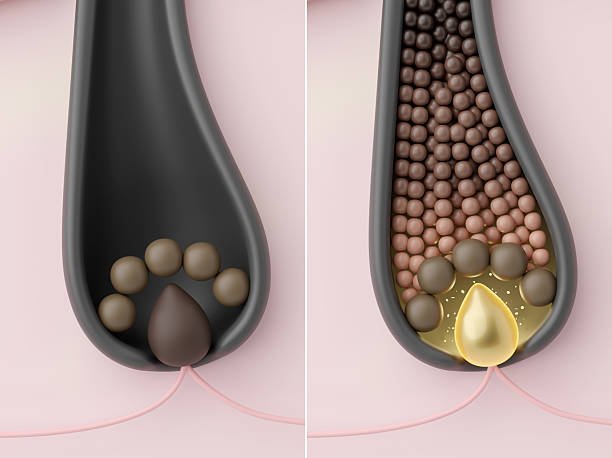
My Scalp Types (Just Like Skin Types)
Your scalp has a skin type, just like your face:
Oily scalp: Produces excess sebum, hair gets greasy within 1-2 days of washing, more prone to scalp acne (folliculitis), dandruff, and buildup. Typically benefits from more frequent washing and lighter, clarifying scalp care products.
Dry scalp: Produces insufficient sebum, scalp feels tight and flaky (dry flakes are generally smaller and whiter than dandruff flakes), often itchy. Benefits from gentler cleansing, hydrating scalp treatments, and less frequent washing.
Also READ
How to Tan Safely: The Science-Backed Guide 2026
Sensitive scalp: Reactive to ingredients, products, or environmental factors. Prone to redness, burning, and itching. Benefits from fragrance-free, gentle formulas and simplified product use.
Normal scalp: Balanced sebum production, minimal irritation, healthy hair growth. Maintenance-focused routine is appropriate.
Identifying your scalp type helps you choose the right products and washing frequency — using a drying shampoo on a dry scalp (or an over-moisturizing treatment on an oily scalp) creates the same mismatch problems as using the wrong moisturizer on your face.
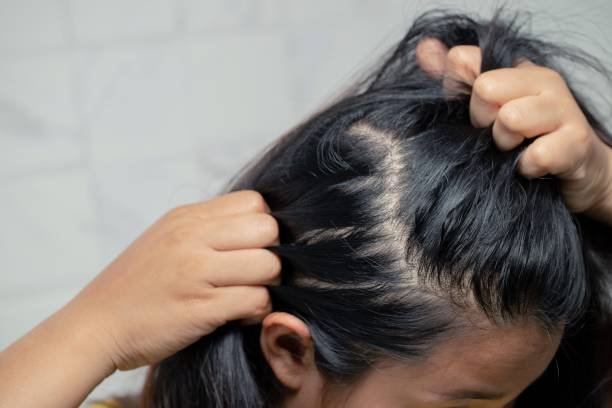
The Scalp Care Routine
Step 1: Scalp Exfoliation Tips (Weekly)
Just as facial skin benefits from exfoliation to remove dead cells and debris, the scalp benefits from regular exfoliation to remove accumulated dead skin cells, product buildup, and excess sebum that can impair follicle health.
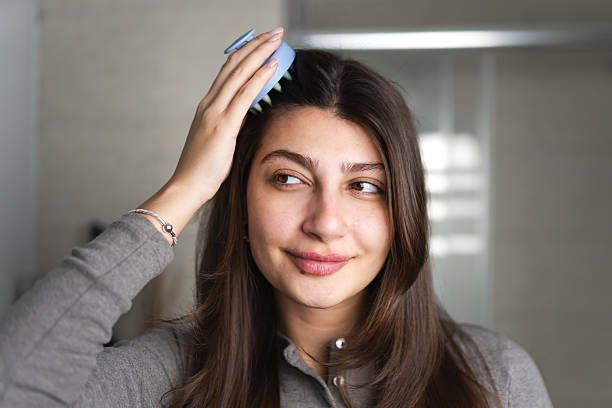
Physical scalp exfoliation: Scalp brushes and exfoliating massagers gently dislodge buildup and stimulate circulation. Used before shampooing on dry or dampened hair, they prepare the scalp for cleansing. Silicone scalp massagers are gentler than bristle brushes and suitable for sensitive scalps.
Also READ
Skincare Routine for Rosacea: What to Use, What to Absolutely Avoid
Chemical scalp exfoliation: Scalp exfoliant products containing salicylic acid (BHA), glycolic acid, or lactic acid dissolve product buildup and dead skin cells more effectively than physical exfoliation alone. These are applied to the scalp pre-shampoo, left for 5-10 minutes, then rinsed and followed by normal shampooing.
Exfoliation frequency depends on scalp type: oily or buildup-prone scalps benefit from weekly exfoliation. Normal to dry scalps, every 2-4 weeks.
Step 2: Scalp-Specific Shampoo
The shampoo’s job is primarily scalp cleansing — not hair cleansing. Hair cleans by proximity during rinsing. Focus your shampoo application and massage on the scalp.
For different concerns:
Oily scalp / buildup: Clarifying shampoo once per week (with a gentler shampoo for other washes). Look for ingredients like sodium lauryl sulfate (SLS) — yes, it’s a strong detergent, but for genuinely oily scalps it’s effective at removing buildup when used appropriately, not daily.
Dandruff/seborrheic dermatitis: Medicated shampoos containing zinc pyrithione, selenium sulfide, ketoconazole, or pyrithione zinc target the Malassezia yeast that contributes to dandruff. These work best when left on the scalp for 5 minutes before rinsing.
Dry or sensitive scalp: Sulfate-free, gentle shampoos with hydrating ingredients (glycerin, panthenol, aloe vera). Avoid fragrance, which is a common irritant in scalp products.
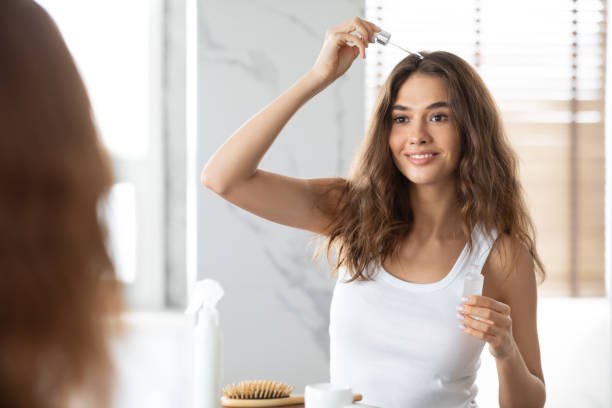
Step 3: Scalp Serums and Treatments
The scalp serum category has expanded significantly in recent years, driven by both consumer demand and better ingredient science:
Minoxidil: The only FDA-approved topical ingredient for hair loss. Available OTC at 2-5%. It works by prolonging the growth phase of hair follicles and is most effective when used consistently — results require 4+ months of use and disappear if discontinued.
Caffeine scalp serums: Some evidence suggests topical caffeine inhibits DHT (the hormone that miniaturizes follicles in pattern hair loss) locally at the follicle level. The evidence is less robust than for minoxidil, but caffeine serums are safe, well-tolerated, and potentially beneficial.
Peptide scalp serums: Formulas containing copper peptides, Redensyl, Capixyl, or Procapil target follicle health through various mechanisms.
These are increasingly popular as alternatives or complements to minoxidil. Evidence varies by ingredient — Redensyl and Capixyl have some supporting clinical data.
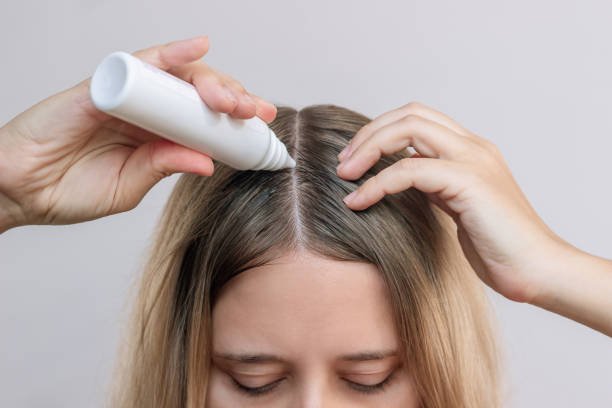
Salicylic acid scalp serums: Leave-on BHA treatments for congested, dandruff-prone, or oily scalps. Reduce buildup, calm inflammation, and create a healthier follicle environment.
Step 4: Scalp Massage
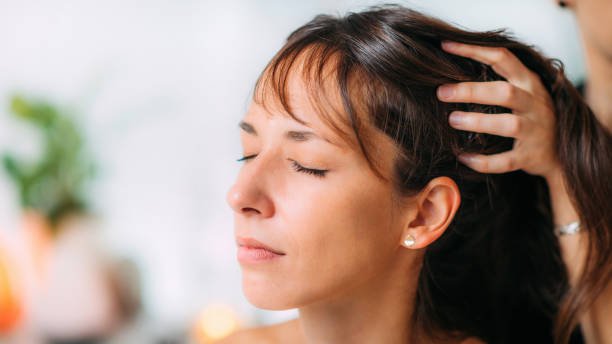
Scalp massage may be the most underutilized scalp health tool. A small study at Stanford found that standardized scalp massage increased hair thickness measurements over 24 weeks.
How to do it effectively: 4-5 minutes daily using fingertips (not fingernails) in small circular motions across the entire scalp, with moderate consistent pressure. This can be done during shampooing, post-cleansing with a scalp serum, or as a standalone self-care step.
What things to Avoid on the Scalp
Products that contribute to scalp problems rather than solving them: dry shampoo used too frequently or left on for days (significant buildup contributor), heavy silicone-based conditioners applied directly to the scalp (designed for hair ends, not scalp), fragrance-heavy styling products that contact the scalp and cause irritation, and over-washing or under-washing beyond what your scalp type needs.
For clinical research on minoxidil and scalp massage, the American Academy of Dermatology has updated patient resources on hair loss and scalp treatment.
Frequently Asked Questions
Does scalp care really help hair growth?
Yes — a healthy follicle environment supports optimal hair growth. Reducing chronic scalp inflammation, maintaining good circulation through massage, and preventing buildup that impairs follicle function all contribute to the conditions in which hair grows best. Results are meaningful, though slower and less dramatic than pharmaceutical interventions like minoxidil.
How often should I wash my hair for scalp health?
This depends entirely on your scalp type. Oily scalps typically benefit from daily or every-other-day washing to remove sebum before it contributes to buildup and irritation. Dry scalps do better with 2-3x per week. There’s no universal “right” frequency — your scalp’s condition between washes (does it feel clean, balanced, or congested?) guides you.
What causes a flaky scalp?
Dry scalp (small, white flakes, accompanied by tightness) and dandruff/seborrheic dermatitis (larger, yellowish flakes, sometimes with redness or oiliness) have different causes and respond to different treatments. Dry scalp: more moisture and gentler cleansing. Dandruff: antifungal medicated shampoos targeting Malassezia yeast.
Is scalp massage effective for hair growth?
There is clinical evidence suggesting consistent scalp massage (4-5 minutes daily over 24 weeks) increases hair shaft thickness. It’s unlikely to reverse significant hair loss on its own, but as a supportive practice alongside a broader hair health routine, the evidence supports its benefit.
Can dry shampoo cause hair loss?
Dry shampoo used occasionally doesn’t cause hair loss directly. However, heavy or frequent reliance on dry shampoo without adequate wet washing leads to significant scalp buildup that can impair follicle function over time. Use dry shampoo as a between-wash tool, not a permanent replacement for washing.