
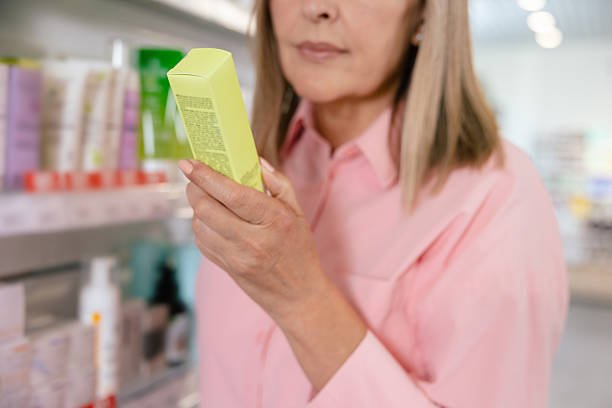
You spent twenty minutes on your skincare routine this morning. Cleanser, toner, serum, moisturizer — every step done right. Then you looked in the mirror and saw tiny little balls of product rolling around on your cheeks like you were peeling off a glue stick.
That is pilling. And I have been there more times than I want to admit.
The frustrating part is not how it looks — it is what it means. Why Does My Moisturizer Pill on My Face, it is sitting on top of your skin, not inside it. Every ingredient you paid for is rolling off your face and going nowhere. I figured this out the hard way after months of wondering why my “hydrating” serum was leaving my skin dry by noon.
The good news: pilling is almost always a technique problem, not a product problem. You probably do not need to throw anything out. Once you understand exactly what causes it, fixing it takes under a week — sometimes under five minutes.
What Is Skincare Pilling And Why Should You Care?
Pilling happens when a skincare product cannot absorb into your skin and instead stays on the surface. When you apply the next product or rub your face, that unabsorbed layer gets rolled into tiny balls — exactly like an eraser leaving rubber crumbs on paper.
Those little balls are not dead skin. They are your actual product. Your moisturizer, serum, or SPF — sitting on the outside of your skin doing absolutely nothing.
According to The Ordinary’s formulation team, pilling leaves skin feeling uneven and products ineffective and it happens because of layering issues, application amount, or ingredient incompatibility. Not because your skin is broken or your products are bad.
Why Does My Moisturizer Pill? The 5 Real Causes
Most pilling articles give you a vague list. Here is what is actually happening in each case — because knowing the exact cause means you fix it in one try instead of guessing for weeks.
Cause 1 You Are Not Waiting Between Steps
This is the cause behind most pilling — by a wide margin. When you apply moisturizer on top of a serum that has not fully absorbed, the two formulas collide on the surface of your skin. Neither can go anywhere. When you rub them together, they ball up.
Your skin is not a sponge that absorbs everything the second it touches it. Water-based serums need 30 to 60 seconds. Thicker treatments need 2 minutes. SPF needs up to 5 minutes before anything goes on top. Most people do their entire routine in under 3 minutes total — which is exactly why most people pill.
The fix here costs nothing. Apply your serum, go brush your teeth, come back for your moisturizer. That gap is the single most effective change you can make today.

Cause 2 — You Are Using Too Much Product
More product does not mean better skin. It means more product sitting on the surface that your skin physically cannot absorb at once. The excess has nowhere to go — so it pills.
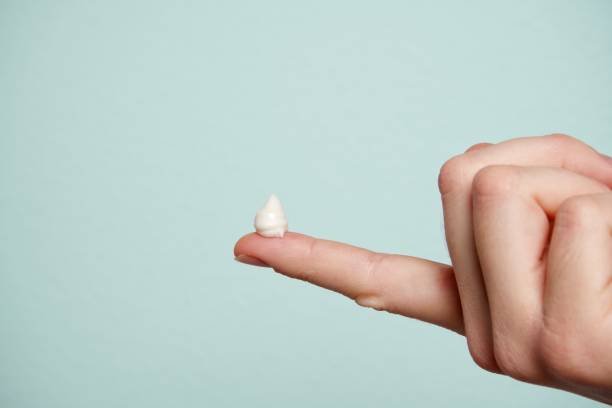
As Curology’s dermatology team explains, less is more is the golden rule for skincare layering. For a serum, 2 to 3 drops is enough for your whole face. For moisturizer, a pea-sized amount — roughly the size of your thumbnail. If you have been applying generous amounts, cut it in half and watch pilling stop immediately.
Cause 3 — Wrong Order: Oil Before Water
Oil and water do not mix — and this applies directly to skincare. If you apply an oil-based product first, it creates a physical barrier on your skin that water-based products literally cannot penetrate. Your serum or moisturizer sits on top of that oil film and pills the moment you try to blend it.
The rule is always lightest texture first, heaviest last — water-based before oil-based. A correct morning order looks like: cleanser → toner → water serum → treatment serum → moisturizer → SPF. Breaking this order at any step increases your pilling risk significantly.
Not sure which of your products is water-based or oil-based? Check the first three ingredients. If water (aqua) is listed first, it is water-based and goes early. If an oil or silicone is listed first, it goes later in your routine.

Cause 4 — Too Many Silicone Products Layered Together
Silicones — ingredients ending in -cone, -siloxane, or -methicone — create a smooth film on the surface of your skin. That film feels great and makes products apply beautifully. But stack multiple silicone-heavy products on top of each other and each layer cannot penetrate the film below it. Every subsequent product stays on the surface and pills.
Check your serum, moisturizer, primer, and SPF. If dimethicone or cyclopentasiloxane appears in the first five ingredients of more than two of these products, you have found your pilling source. Limit silicone-heavy products to one or two steps in your routine and keep the rest silicone-free.
Cause 5 — Dead Skin Buildup Blocking Absorption
If you never exfoliate, dead skin cells build up on your skin’s surface and create an uneven, rough texture. Products struggle to absorb through this layer and instead sit on top of it — where they pill when you massage them in.
You do not need an aggressive scrub. A gentle chemical exfoliant — lactic acid, glycolic acid, or salicylic acid — used 2 to 3 times a week is enough. After two consistent weeks, your skin surface becomes noticeably smoother and more receptive. Most people see pilling reduce across their entire routine after this one addition.
How to Stop Moisturizer Pilling — Fixes That Actually Work
Now you know the cause — here is exactly how to fix it. Start from the top and work down. Most people solve their pilling at fix one or two without needing to go further.
Fix 1 — Wait 60 seconds between every single step. Apply serum, set a timer, wait. Apply moisturizer, wait again. This is the fastest and most effective fix for the majority of people. It costs nothing and works immediately.
Fix 2 — Cut your product amount in half. Use 2 drops of serum instead of 4. Use a pea-size of moisturizer instead of a large dollop. If pilling stops, amount was your problem.
Fix 3 — Pat, do not rub. Rubbing creates friction. Friction rolls unabsorbed product into balls. Press product into your skin with gentle patting motions using your fingertips or palm — never circular rubbing.

Fix 4 — Apply on slightly damp skin. After cleansing, do not fully dry your face. Slightly damp skin absorbs water-based products faster and more evenly, which reduces pilling in subsequent layers.
Fix 5 — Check and correct your routine order. Thin to thick. Water-based to oil-based. Every time without exception. If your current order does not follow this, rearranging it alone may completely fix your pilling problem.
Want to make sure your full morning routine is in the right order from cleanser to SPF? Check our complete guide to skincare routine order by skin type — it includes exact timing between each step.
Why Does SPF Pill More Than Everything Else?
If your sunscreen pills no matter what you do, there is a specific reason — and it is not your fault. Most SPF formulas are designed with film-forming agents and physical UV filters (zinc oxide, titanium dioxide) that sit on the skin surface by design. They are not meant to fully absorb like a serum. They create a protective layer on top.
When you apply foundation or another product too quickly on top of that surface layer, the two formulas collide and pill immediately. The fix for SPF pilling specifically: wait 5 full minutes after SPF before touching your face or applying makeup.
If that still does not work, switch to a lightweight Korean or Japanese SPF formula — these are formulated specifically to layer well under makeup and pill far less than most Western sunscreens.

Can Niacinamide Cause Pilling?
Niacinamide itself does not cause pilling — it is water-soluble and absorbs readily into skin. But some niacinamide serums are formulated with silicones or carbomer that can pill when layered too quickly with other products.
If your niacinamide serum is pilling: apply it on slightly damp skin immediately after toning, use only 2 to 3 drops, and wait 60 seconds before the next step. That combination solves niacinamide pilling in almost every case. For more on how to use niacinamide correctly in your routine, see our full niacinamide benefits and usage guide.
Frequently Asked Questions
Why does my moisturizer pill but nothing else in my routine does?
If only your moisturizer pills, it is most likely being applied before your previous step has fully absorbed. Give your serum or toner 60 to 90 extra seconds before applying moisturizer. Your moisturizer may also contain silicones that conflict with a film-forming ingredient in the product underneath it — check both ingredient lists for dimethicone or carbomer.
Is pilling damaging my skin?
No. Pilling does not damage your skin. It is an absorption and efficacy issue — your products are not working as well as they should because they are not getting in. It will not cause breakouts, irritation, or long-term harm. It is purely a sign that your layering technique or timing needs adjusting.
Why does my foundation pill over my skincare?
Foundation pilling over skincare is almost always caused by SPF not being fully set before foundation application. SPF needs a minimum of 5 minutes to settle on the skin surface before anything goes on top. Apply foundation with a damp beauty sponge using pressing motions rather than a brush or fingers, and always give SPF those 5 full minutes first.
Does pilling mean I need to replace my moisturizer?
Almost certainly not. Pilling is rarely a product quality problem — it is almost always a routine issue. Fix your timing, reduce your product amount, and correct your layering order before assuming your moisturizer is the problem. If pilling continues after all those fixes, then it may be a formula incompatibility with something else in your routine — and the solution is swapping one product, not necessarily the moisturizer.
Why does moisturizer pill only around my nose and chin?
Pilling in specific areas usually means texture differences in those zones — around the nose and chin tend to be oilier, rougher, or more congested than the rest of your face. Products absorb unevenly as a result. Apply slightly less product to those areas, use patting motions instead of rubbing, and add gentle chemical exfoliation 2 to 3 times a week to smooth the surface and improve absorption there specifically.
Can using too many skincare products cause pilling?
Yes. Each additional product layer is another potential point of conflict. A 6-step routine has six opportunities for pilling — a 3-step routine has three. If your routine is complex and pilling everywhere, strip it back to cleanser, moisturizer, and SPF for one week. If pilling stops, add products back one at a time to identify the culprit. Three products that actually absorb will always outperform six that pill off your face.
The Short Answer
Your moisturizer is pilling because something in your routine is stopping it from absorbing. Nine times out of ten, it is one of these three things: you are not waiting long enough between steps, you are using too much product, or your layering order is wrong.
Start there. Wait 60 seconds between every step. Use half the amount you normally do. Make sure you are going thinnest to thickest, water-based to oil-based. Do that for three days and see what happens. Most people solve their pilling completely without changing a single product.
If you want to make sure your full routine is structured correctly from the start, explore our complete morning and evening skincare routines by skin type — each one includes exact product order, timing, and which ingredients work best together.

Ahtisham
I spent years struggling with oily, acne-prone skin before discovering that the right routine — not expensive products — is what actually works. Everything on this site is tested on my own skin and backed by real research.
Read my full story
Leave a Reply