
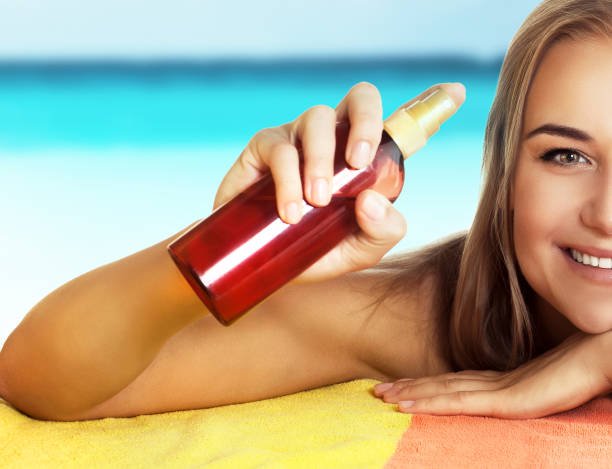
You’ve seen both in the beauty aisle, both promise a golden glow, and both have wildly different opinions online. Tanning oil. Self-tanner. People use these terms interchangeably — but they work in completely opposite ways, and confusing them is how you end up with a sunburn you didn’t expect or a tan that looks nothing like what you planned.
Here’s the actual science behind both, without the marketing language. Deep Dive with me to know Actually difference best comparison Tanning Oil vs Self Tanner
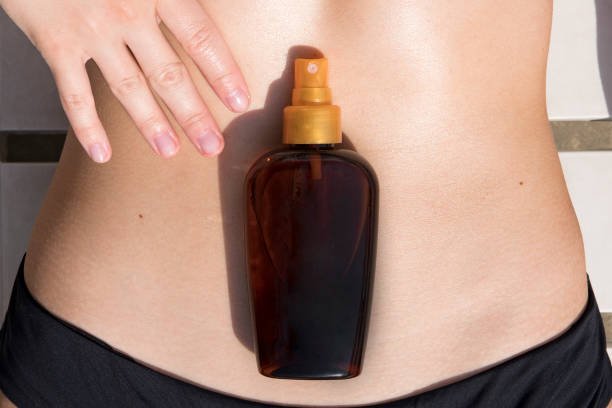
What Is Tanning Oil?
Tanning oil is a product designed to intensify the effect of UV rays from the sun on your skin. It doesn’t give you a tan on its own — it amplifies and concentrates UV radiation reaching your skin’s surface. The oil creates a reflective, shiny layer that focuses sunlight, which can make tanning appear faster but also significantly increases your risk of sunburn and UV damage.
Most tanning oils have a very low SPF (typically SPF 4–8) or no SPF at all. A low SPF does not mean meaningful sun protection — SPF 8 still allows around 87% of UV rays to reach your skin. For reference, dermatologists recommend a minimum of SPF 30 for daily outdoor exposure.
What Is Self-Tanner?
Self-tanner creates a tan-like color without any UV exposure. The active ingredient — DHA (dihydroxyacetone) — is a plant-derived sugar that reacts with amino acids in the outermost layer of your skin (the stratum corneum) to produce brown-toned pigments called melanoidins. This reaction is entirely cosmetic: it affects only the dead surface cells and requires zero sun exposure to work.
DHA is the only ingredient approved by the FDA specifically for sunless tanning. The color it creates is temporary — it fades over 5–10 days as your skin naturally sheds those surface cells.
Tanning Oil vs Self-Tanner: Side by Side
| Factor | Tanning Oil | Self-Tanner |
|---|---|---|
| How it works | Amplifies UV rays reaching skin | DHA reacts with skin surface amino acids |
| Sun exposure needed | Yes — requires UV exposure | No — works indoors, anytime |
| UV protection | Minimal to none | None — still need separate SPF |
| Skin cancer risk | Higher — increases UV absorption | None from product itself |
| Premature aging risk | High — UV damages collagen | None from product itself |
| Color result | Depends on UV exposure time | Predictable, buildable color |
| Dermatologist recommendation | Not recommended over SPF 30 | Preferred safe alternative |
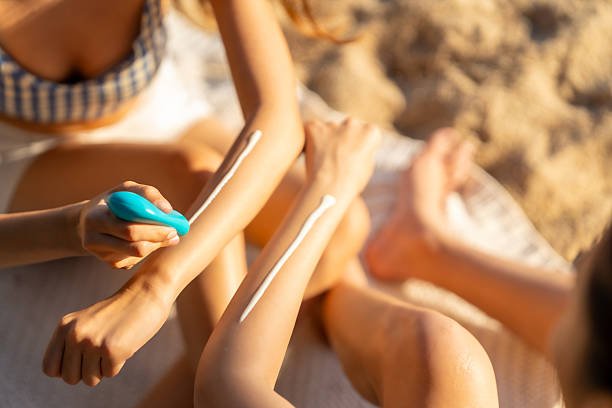
Is Tanning Oil Safe?
Tanning oil isn’t inherently dangerous — but the behavior it encourages is. People using tanning oil stay in the sun longer and often believe the oil is offering some protection when it isn’t. The result is higher cumulative UV exposure than they would have received without it.
American Academy of Dermatology — Self-Tanner Application Guide
UV exposure is the primary driver of photoaging (wrinkles, dark spots, loss of elasticity) and the main risk factor for skin cancer, including melanoma. If you do use tanning oil, dermatologists recommend applying a broad-spectrum SPF 30 or higher sunscreen as a separate first layer, reapplying every 2 hours, and avoiding peak UV hours between 10am–4pm.
Is Self-Tanner Safe?
Self-tanner is considered a significantly safer option than UV tanning for achieving a bronze color. DHA’s safety profile is well-documented — it reacts only with the outermost, mostly dead layer of skin cells and does not penetrate deeper layers. Scientific committee reviews have confirmed that DHA in concentrations up to 10% in cosmetic formulations presents no significant health risk.
The important caveat: self-tanner does not protect against UV rays. A self-tanned appearance gives no actual sun protection. You still need to apply SPF 30 or higher any time you’re outdoors. How to Self Tan Without Streaks (The Step-by-Step Guide That Actually Works)
Which Should You Choose?
If your goal is a bronze color with the least skin risk, self-tanner is the clear choice — it gives you a predictable, controllable result without UV exposure. If you prefer being outdoors in the sun and want to deepen a natural tan, tanning oil can be used — but only with proper SPF underneath and strict sun-safety habits.
Many people combine both: apply self-tanner for a base color, then use a high-SPF sunscreen (not tanning oil) when outdoors. This keeps UV exposure low while maintaining the visual effect of a deeper tan.
Source: Kaiser Permanente — Sunless Tanning Safety Guide
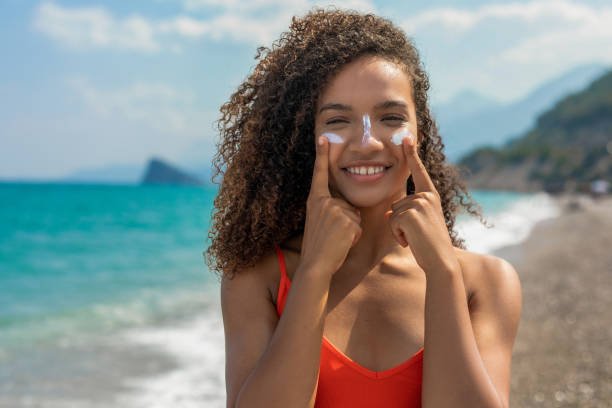
FAQ: Tanning Oil vs Self-Tanner
Can I use tanning oil and self-tanner together?
You can use self-tanner to build a base color, then use SPF sunscreen (not tanning oil) when outdoors. Applying actual tanning oil over self-tanner doesn’t affect DHA color — the self-tan is already developed — but the oil still increases your UV exposure risk while outdoors.
Does tanning oil make you tan faster?
It makes UV reach your skin faster and in greater amounts, which can speed up the darkening process. However, it also speeds up the sunburn process proportionally. You’re not getting a “better” tan — you’re getting more UV exposure in less time.
Why does self-tanner look orange sometimes?
Orange tones usually come from using too much DHA product at once or using a formula with a very high DHA percentage. Using a gradual self-tanner and building color in layers, or choosing a formula with erythrulose blended alongside DHA, typically gives a more natural brown result.
Does self-tanner protect against the sun?
No. Self-tanner provides roughly SPF 2–3 at most — not enough to protect against meaningful UV exposure. Always apply a dedicated broad-spectrum SPF 30+ sunscreen separately, regardless of how tan you look.
Is tanning oil the same as sunscreen?
No. Tanning oil and sunscreen work opposite to each other. Sunscreen blocks or absorbs UV to protect your skin. Tanning oil amplifies UV reaching your skin. Some products are labeled “tanning oil with SPF” — these contain some UV filters but are not a substitute for proper broad-spectrum SPF 30 sunscreen.
Can self-tanner cause skin problems?
For most people, self-tanner is well-tolerated. Some people with very sensitive skin or DHA sensitivity may experience mild irritation. Fragrance-free, alcohol-free formulas reduce irritation risk. Patch testing any new formula on your inner arm 24 hours before full-body application is a good habit.
Bottom Line
Tanning oil and self-tanner are not interchangeable. Tanning oil requires sun exposure and amplifies UV — making it riskier without proper sunscreen use. Self-tanner creates color through a surface chemical reaction with no UV required, making it the dermatologist-preferred method for a bronze appearance.
Neither product provides meaningful sun protection on its own. Whichever you choose, SPF 30 or higher is non-negotiable every time you step outside. Niacinamide Benefits for Skin: Full Guide (2026)
Disclaimer: This content is informational only and does not constitute medical or dermatological advice. Consult a dermatologist for personalized skin recommendations.

Ahtisham
I spent years struggling with oily, acne-prone skin before discovering that the right routine — not expensive products — is what actually works. Everything on this site is tested on my own skin and backed by real research.
Read my full story
Leave a Reply