

If you have ever wondered whether hyaluronic acid goes before or after moisturizer, you are not overthinking it — the order genuinely matters. Apply it wrong and you may actually be pulling moisture out of your skin rather than into it. That is not a marketing claim; it is basic chemistry, and once you understand how hyaluronic acid works, you will never get the order wrong again.
The answer: hyaluronic acid always goes on before your moisturizer. Every time. Here is why — and what to do with the other products in your routine. Deep dive with me in it to know how exactly Hyaluronic Acid Before or After Moisturizer
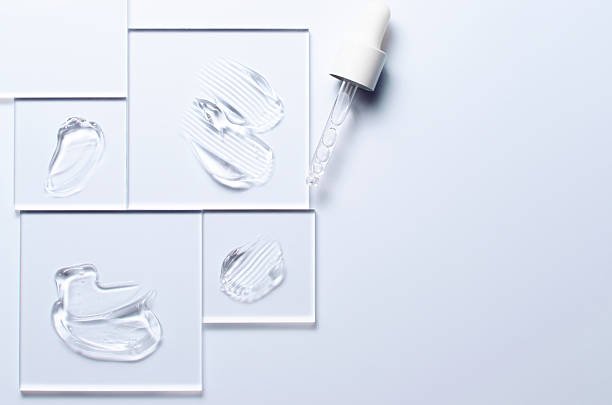
Why Hyaluronic Acid Must Go Before Moisturizer
Hyaluronic acid (HA) is a humectant. That means its job is to attract and hold water molecules — up to 1,000 times its own weight in water, according to research published in the Journal of Clinical and Aesthetic Dermatology. But here is the critical part: it needs water to attract. It pulls moisture from the nearest available source.
If you apply moisturizer first, you create an occlusive or emollient seal on top of your skin. When you then apply hyaluronic acid on top of that, it sits on a surface where it cannot readily penetrate and in very low-humidity environments, it can start pulling moisture from your skin’s deeper layers rather than the air.
The result? Skin that feels tighter and drier than before you applied anything.
Applied before moisturizer — on slightly damp skin — hyaluronic acid draws available moisture from the water on your skin’s surface and holds it there. Then your moisturizer goes on top and seals that moisture in. This is the mechanism. The order is the mechanism.
The Exact Order: Where HA Fits in Your Full Routine
Here is the correct layering sequence, from first to last:
- Cleanser — removes dirt, oil, SPF residue
- Toner (if you use one) — applied to damp or freshly cleaned skin
- Hyaluronic acid serum — applied while skin is still slightly damp (this is key)
- Other serums — vitamin C, niacinamide, or actives go here; thinner first
- Moisturizer — seals everything in, supports barrier function
- Sunscreen (AM only) — always last in the morning
The rule of thumb in skincare layering is thinnest to thickest. Hyaluronic acid serums are almost always water-based and thin, which is why they sit early in the routine — right after cleansing and toning, before anything creamier or heavier.
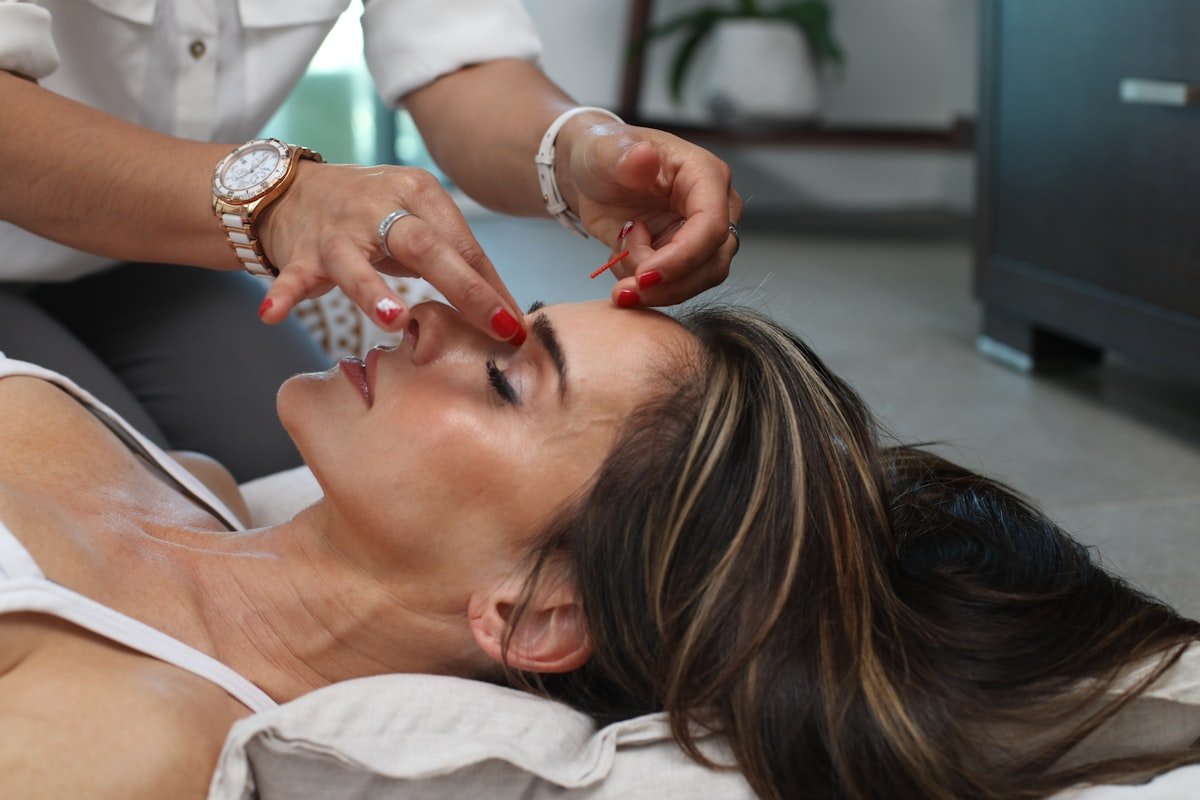
Should Your Skin Be Wet or Dry When You Apply Hyaluronic Acid?
Slightly damp — not soaking wet, not bone dry. After washing your face, pat it gently with a towel but leave some residual moisture on the surface. Then apply your hyaluronic acid immediately. This timing is not optional if you want it to work properly, particularly if you live in a dry climate or your bathroom is air-conditioned.
In low-humidity environments (below around 40%), hyaluronic acid has very little ambient moisture to draw from the air. In this case, applying it to damp skin and immediately following with a moisturizer is even more important. Skip the damp-skin step in a dry environment and the HA can genuinely dehydrate the surface layer of your skin.
HA is a hygroscopic molecule — clinical reviews confirm it binds up to 1,000 times its volume in water, drawing moisture from the dermis into the epidermis.
What About Hyaluronic Acid Moisturizers?
Some moisturizers already contain hyaluronic acid as an ingredient. This is common — CeraVe Moisturizing Cream, Neutrogena Hydro Boost, and many others use it in their formulas. In this case, you do not need a separate HA serum unless you want an extra hydration boost. The HA in a moisturizer is designed to work correctly at that stage in the routine.
If you are using both a standalone hyaluronic acid serum and a moisturizer that contains HA, that is fine — apply the serum first (thinner product first), then the moisturizer. You are not doubling up in a harmful way; you are just layering two humectants.
Does Hyaluronic Acid Go Before or After Niacinamide?
Both hyaluronic acid and niacinamide are water-based serums and they work well together. Apply whichever is thinner first, then the other. In most cases, standalone HA serums are thinner and go first, followed by a niacinamide serum. If they are similar in consistency, apply HA first — it functions as a hydration base that the niacinamide then builds on.
These two ingredients do not interact negatively. In fact, using them together is one of the most skin-friendly combinations in routine building — HA hydrates, niacinamide strengthens the barrier and fades dark spots. For more on how niacinamide works with other ingredients, see our complete niacinamide benefits guide.
Does Hyaluronic Acid Go Before or After Vitamin C?
Apply vitamin C first, then hyaluronic acid. Vitamin C serums (especially those using L-ascorbic acid) are typically formulated at a low pH — around 2.5 to 3.5. They are more active and tend to be thinner. Apply vitamin C to clean skin, wait 30 to 60 seconds for it to absorb, then follow with your HA serum and moisturizer.
This sequence also helps because the moisturizer following the HA creates a neutral-pH environment on top, which is better for the skin barrier than leaving vitamin C as the final step.
Common Mistakes With Hyaluronic Acid Layering
- Applying to completely dry skin in a dry climate. The HA will look for any moisture source and can pull it from deeper skin layers.
- Not following with a moisturizer. HA holds moisture — but without a seal on top, that moisture evaporates. Always finish with a moisturizer.
- Applying too thick a layer. HA serums work at small amounts. Two to three drops for your full face is enough. A thick layer does not absorb better; it just sits there.
- Expecting instant visible plumping. HA does improve skin hydration and makes skin look more supple over time, but the dramatic “filler-like” plumping shown in ads happens over consistent weeks of use — not the morning of.
Frequently Asked Questions
Can I apply hyaluronic acid directly on dry skin?
You can, but it works better on slightly damp skin. On very dry skin in a low-humidity environment, hyaluronic acid has less atmospheric moisture to attract and may draw hydration from within your skin instead, which can leave it feeling tighter.
What happens if I put moisturizer before hyaluronic acid by mistake?
It will not cause immediate harm, but the HA will be much less effective — it cannot penetrate the occlusive layer your moisturizer created. It will largely sit on the surface without doing its job. The next day, flip the order.
Do I need both hyaluronic acid and a moisturizer?
Yes, unless your moisturizer already contains hyaluronic acid as a key ingredient. A standalone HA serum layers under moisturizer. Each serves a different function — HA is a humectant (attracts water), and most moisturizers are emollients or occlusives (seal and soften). They work together, not interchangeably.
Is hyaluronic acid good for oily skin?
Yes — oily skin is often still dehydrated. Dehydration is a water issue; oiliness is a sebum issue. They are not the same thing. A lightweight HA serum followed by a non-comedogenic gel moisturizer is a well-suited routine for oily skin types.
Summary: The Rule Is Simple
Hyaluronic acid goes before moisturizer, on slightly damp skin, every time. It is not complicated when you understand what each product is doing: HA attracts moisture, moisturizer seals it. Change the order and you undermine the whole mechanism.
If your moisturizer is pilling on top of your HA or any other serum, the issue is usually waiting time between layers or product incompatibility — both of which are covered in our guide on why moisturizer pills. And if you are building your routine from scratch, our routines category has skin-type specific guides to help you put it all together.
This article is for informational purposes only and does not constitute medical or dermatological advice.

Ahtisham
I spent years struggling with oily, acne-prone skin before discovering that the right routine — not expensive products — is what actually works. Everything on this site is tested on my own skin and backed by real research.
Read my full story
Leave a Reply