
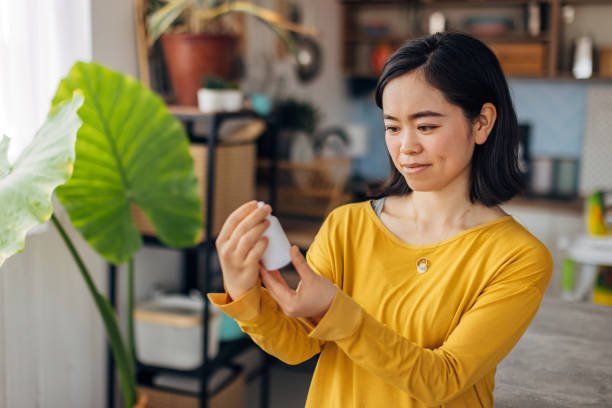
You found that niacinamide serum in the back of your drawer. The cap is on, it still smells normal-ish, and you really do not want to buy a new bottle. So the question hits you: does niacinamide expire?
Short answer: yes, it does. But the full picture is more useful than a yes or no. Niacinamide is one of the more stable skincare actives out there — but stable does not mean eternal. This guide covers exactly what happens when it expires, how to tell if yours has gone bad, and what proper storage actually looks like so you stop wasting money on degraded product.
Does Niacinamide Actually Expire?
Yes, niacinamide expires. Every skincare product does, including this one. The difference is in how quickly it happens and what the consequences are. According to cosmetic chemists, niacinamide (vitamin B3 in its active form) is water-soluble and relatively resistant to oxidation compared to vitamin C or retinol. That makes it one of the more forgiving actives in your routine — but it is not immortal.
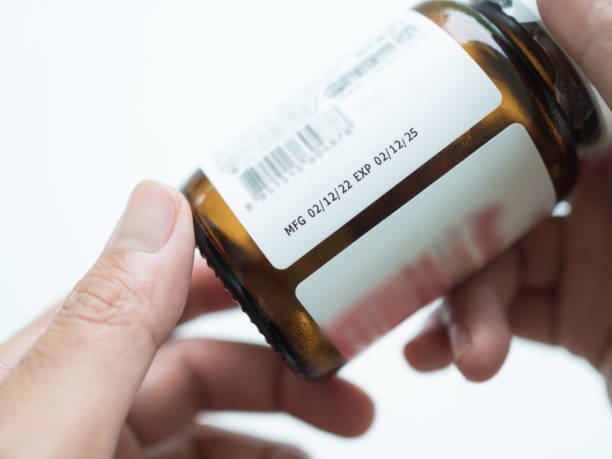
Most niacinamide serums come with a PAO (Period After Opening) symbol — that little open-jar icon on the bottom or side of your bottle. The number inside (12M, 24M) tells you how many months the product stays effective and safe after you first unseal it. For most niacinamide serums, this window is 12 to 24 months after opening.
Unopened? You have more room. An unopened niacinamide product stored correctly — away from heat, light, and humidity — can stay effective for up to 2 to 3 years from manufacturing date. But once you break that seal, the clock starts.
What Happens When Niacinamide Expires?
The consequences depend on how far past its prime the product is. There are two possible outcomes and neither is great:
It stops working. Niacinamide molecules break down over time. The active form degrades into less useful compounds. When you apply expired niacinamide, you might be getting very little benefit — your pores, dark spots, and barrier are not getting what you think they are.
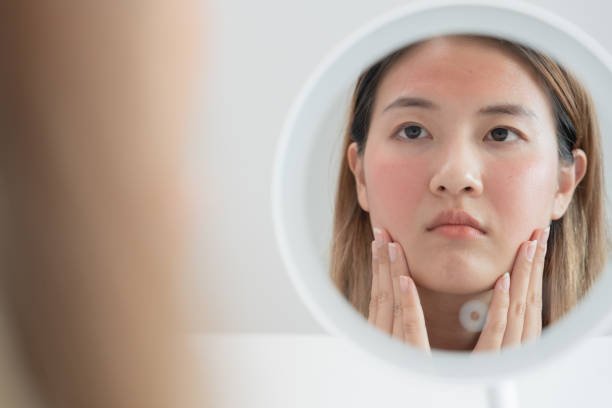
It can irritate your skin. Beyond just losing efficacy, expired serums can develop bacteria, mold, or other contaminants because preservatives stop functioning properly past their expiry. This is especially true if you have been dipping your fingers directly into a jar. The result can be unexpected breakouts, redness, or stinging — the opposite of what you wanted.
5 Signs Your Niacinamide Has Expired
Your serum will usually give you signs before you reach the PAO date. Here is what to look for:
- Color change. Fresh niacinamide serum is typically clear or very slightly yellow. If yours has turned visibly orange, brown, or cloudy, that is degradation. Do not apply it.
- Texture change. Has it gone from a smooth gel to something watery and separated, or thick and lumpy? The formula has broken down.
- Unusual smell. Niacinamide has a mild, almost neutral scent. Any sour, rancid, or chemical smell is a red flag — toss it.
- Skin reacts when it never used to. Sudden stinging, redness, or tiny bumps after a product you have used fine for months is a sign something has changed in the formula.
- You cannot remember when you opened it. If you genuinely cannot recall and there is no date written on the bottle — and it has been more than two years — the safest move is to replace it.
In 6-month-long-term and accelerated stability studies, niacinamide demonstrated high stability unlike other B vitamins (Applied Sciences, 2025)
How to Read the PAO and Expiry Date on Your Niacinamide
Flip your bottle over. You will either see a printed expiry date (often in the format MM/YY or YYYY-MM) or the PAO symbol — the open jar with a number. Common PAO windows for niacinamide are 12M or 24M. Some brands stamp both; some only include one. If you see nothing, check the box the product came in.
One practical habit that makes a real difference: write the month and year you opened the product directly on the bottle with a marker. Takes five seconds and saves you from the drawer-archaeology guesswork months later.
How to Store Niacinamide to Extend Its Shelf Life
The way you store your serum makes a significant difference in how long it stays effective. Here are the storage rules that actually matter:
- Keep it away from direct sunlight. UV exposure accelerates degradation of active ingredients. A medicine cabinet or drawer works well; a sunny bathroom windowsill does not.
- Avoid high heat and steam. Bathroom storage is fine if your bathroom stays cool and dry. But if you take hot showers that leave the mirror foggy, the repeated heat-humidity cycling shortens product life noticeably.
- Close the cap tightly after every use. Air exposure is one of the primary degradation pathways. A loose cap = faster breakdown.
- Use a pump, not a jar. If you have a choice, pump dispensers limit air and bacterial exposure far better than open jars where you dip fingers repeatedly.
- No need to refrigerate niacinamide. Unlike vitamin C or retinol, niacinamide does not benefit meaningfully from cold storage at normal room temperatures. Room temperature in a dark spot is ideal.
Can You Use Niacinamide That Is Slightly Past Its Date?
If the product looks normal, smells normal, and your skin has not reacted to it recently, a serum that is a few weeks past its PAO is unlikely to cause serious harm. Niacinamide is relatively forgiving. The realistic consequence is reduced efficacy rather than skin damage.
However, months past expiry — especially with visible changes in color or texture — is a different matter. At that point, you are risking both zero benefit and genuine irritation. The cost of replacing a serum is less than the cost of dealing with a breakout or a compromised skin barrier.
How Long Does Niacinamide Last? Quick Reference
| Product Status | Typical Shelf Life |
|---|---|
| Unopened, stored correctly | 2 to 3 years |
| Opened (standard serum) | 12 to 24 months |
| Powdered niacinamide | Up to 3 years (more stable) |
| Combined with vitamin C | Shorter — check PAO carefully |
Frequently Asked Questions
Can expired niacinamide cause breakouts?
Yes, it can. When preservatives break down past the PAO date, bacteria and other microorganisms can grow in the formula. Applying this to your face can cause breakouts, redness, or irritation — especially if you have acne-prone or sensitive skin.
Does The Ordinary niacinamide expire?
Yes. The Ordinary niacinamide 10% + Zinc 1% has a PAO of 12 months. The expiry date is printed on both the tube and the box. If your formula has turned slightly yellow or developed a watery texture, it is time to replace it.
Is it okay to use niacinamide past the expiry date?
If the product looks and smells normal and is only slightly past its PAO, it is unlikely to cause harm but will provide diminished benefit. If there are any visible signs of degradation — color change, altered texture, unusual smell — discard it.
How can I make my niacinamide last longer?
Store it in a cool, dark place. Keep the cap tightly closed after each use. Prefer pump bottles over open jars. Write the date you opened it on the label. These four habits will consistently get you close to or past the full PAO window.
The Bottom Line
Niacinamide does expire — but it is more forgiving than most actives. An opened serum stored well gives you 12 to 24 months of effective use. Past that, you are likely getting a product that has lost its potency, and potentially one that can irritate your skin. The fix is simple: write dates on your bottles, store them away from heat and light, and check for the four signs of expiry before using any product you have not touched in a while.
If you are building out a more complete routine with niacinamide as a base, check our full guide on niacinamide benefits for skin — including exactly how and when to apply it for maximum results. And if moisturizer pilling is something you have struggled with, that might be a layering issue worth reading about in our moisturizer pilling guide.
This article is for informational purposes only. If you are experiencing persistent skin reactions, consult a board-certified dermatologist.

Ahtisham
I spent years struggling with oily, acne-prone skin before discovering that the right routine — not expensive products — is what actually works. Everything on this site is tested on my own skin and backed by real research.
Read my full story
Leave a Reply